
Published June 18, 2026
Navigating the Anchorage, AK Housing Market: What Buyers Need to Know in 2026

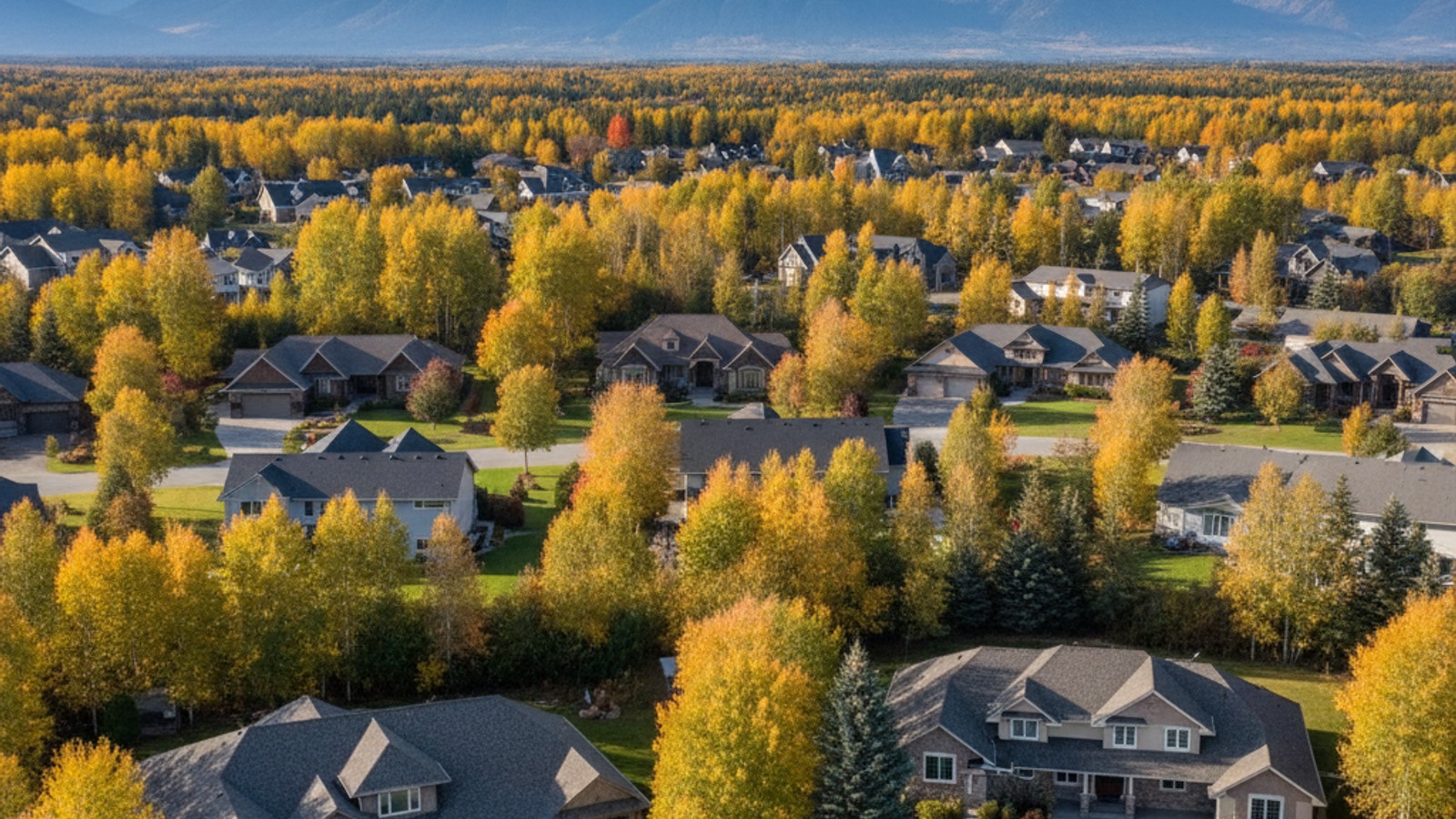
The Anchorage, AK housing market requires serious preparation for anyone looking to buy or sell property this year. With our unique geographic constraints and steady local demand, the real estate landscape here operates much differently than in the Lower 48.
Buyers entering the market in 2026 will find a fast-paced environment where well-priced properties move quickly. Understanding the current pricing data, local economic drivers, and recent tax changes is essential for making a confident investment in the Anchorage area.
Anchorage Housing Market Trends in 2026
The 2026 market remains highly resilient and undeniably seller-friendly. Active inventory is currently hovering at under one month of supply, which severely limits options for incoming buyers. This restricted supply means that sellers who price their properties accurately are seeing strong initial interest and rapid offers.
Median home prices currently sit between approximately $410,000 and $425,000, representing a steady upward shift from previous years. Homes are spending anywhere from 13 to 33 days on the market depending on the specific property segment and location. The clear takeaway for buyers is that hesitation will cost you - securing pre-approval and submitting competitive offers immediately is the only way to win in this constrained environment.
Property Types and Availability
Analyzing the local MLS reveals stark differences in inventory levels across various property types. Single-family homes represent the most sought-after segment, with average prices frequently exceeding the $420,000 mark. These standalone properties often feature larger lots and attached garages, which are highly prized during the long Alaskan winters.
For buyers looking at lower price points, condominiums and multi-family units offer viable alternatives. Condominiums generally start in the low-to-mid $300,000 range, providing an accessible entry point with lower exterior maintenance requirements. Multi-family properties also maintain a strong market share, appealing directly to investors looking to generate rental income while building equity.
Local Economic Factors Impacting Real Estate
Anchorage benefits from a unique blend of government, military, and logistical economic engines that stabilize housing demand. Unlike cities reliant on a single corporate sector, our local economy draws steady employment from multiple permanent institutions. This diverse employment base ensures a constant rotation of buyers and renters entering the local market.
The steady influx of new residents relocating for work directly supports property values across the municipality. Whether individuals are buying their first property or seeking long-term rentals, these core employment hubs provide a reliable foundation for real estate investments. Several primary drivers consistently fuel this local demand:
-
Joint Base Elmendorf-Richardson (JBER) brings a continuous rotation of military personnel and civilian contractors who require off-base housing.
-
The Port of Alaska serves as the primary logistical hub for the state, supporting thousands of steady jobs in shipping, freight, and trade.
-
Major healthcare facilities, including the Alaska Native Medical Center and Providence Alaska Medical Center, regularly recruit medical professionals who purchase homes in the surrounding districts.
Objective Neighborhood Amenities and Commutes
The geographic layout of Anchorage sits between the Chugach Mountains and the Cook Inlet, which naturally dictates traffic flow and daily commute times. Because the city cannot easily expand outward, residential development is concentrated along specific corridors. Understanding these main commuting arteries is crucial for buyers evaluating different locations.
The Glenn Highway serves as the primary route connecting the northern suburbs and Eagle River to downtown Anchorage. To the south, the Seward Highway provides the main transit corridor for residents commuting from the southern districts and the Turnagain Arm. Proximity to either of these major highways significantly reduces daily driving times to the central business district.
Anchorage also features extensive outdoor recreation access integrated directly into its municipal boundaries. Residents utilize Chugach State Park for extensive hiking and winter sports access on the eastern edge of the city. On the western coast, the Tony Knowles Coastal Trail offers 11 miles of paved pathways connecting downtown to Kincaid Park.
Property Taxes and Anchorage School District Zoning
Financial planning for an Anchorage home purchase requires a clear understanding of local tax levies and municipal zoning. Anchorage School District boundaries often influence property searches, as homes within specific school zones tend to hold their value predictably over time. Buyers should verify current zoning maps through the municipal website, as boundary lines can shift.
Property taxes in the municipality are calculated based on the assessed value of the home and the specific mill rate of the district. Standard property insurance costs must also be factored into monthly payment calculations, particularly given the specific structural requirements for Alaskan homes. Homeowners should explore available local exemptions, such as the residential exemption or senior citizen exemptions, to reduce their annual tax burden.
Recent legislative actions have directly impacted these holding costs for local homeowners. The April 2026 Proposition 9 tax levy was introduced to fund school operations for the upcoming academic year. This specific measure adds a cost of approximately $27.40 per $100,000 of assessed value, which translates to roughly $109.60 annually for a $400,000 home.
Frequently Asked Questions About Anchorage Real Estate
Is it a good time to buy a home in Anchorage, Alaska?
Yes, purchasing a home is a sound decision if you are prepared for a competitive market environment. With current 2026 mortgage rates hovering in the low-to-mid 6% range, securing a fixed rate provides predictable housing costs. The constrained inventory means waiting for prices to drop is an ineffective strategy.
What is the average home price in Anchorage?
The median home price in Anchorage currently ranges between $410,000 and $425,000. Single-family homes average slightly higher at over $420,000, while condominiums offer a lower entry point. These figures represent a steady market with consistent value retention across the municipality.
Why are houses in Alaska so expensive?
High housing costs in Alaska are primarily driven by the extreme expense of importing construction materials. The logistical challenges of shipping lumber, plumbing, and electrical supplies to the state add significant overhead to every new build. Additionally, the short summer construction season limits the volume of new homes that can be built each year.