
Published September 28, 2026
What to Know About the Population of Anchorage, AK and Local Housing Trends

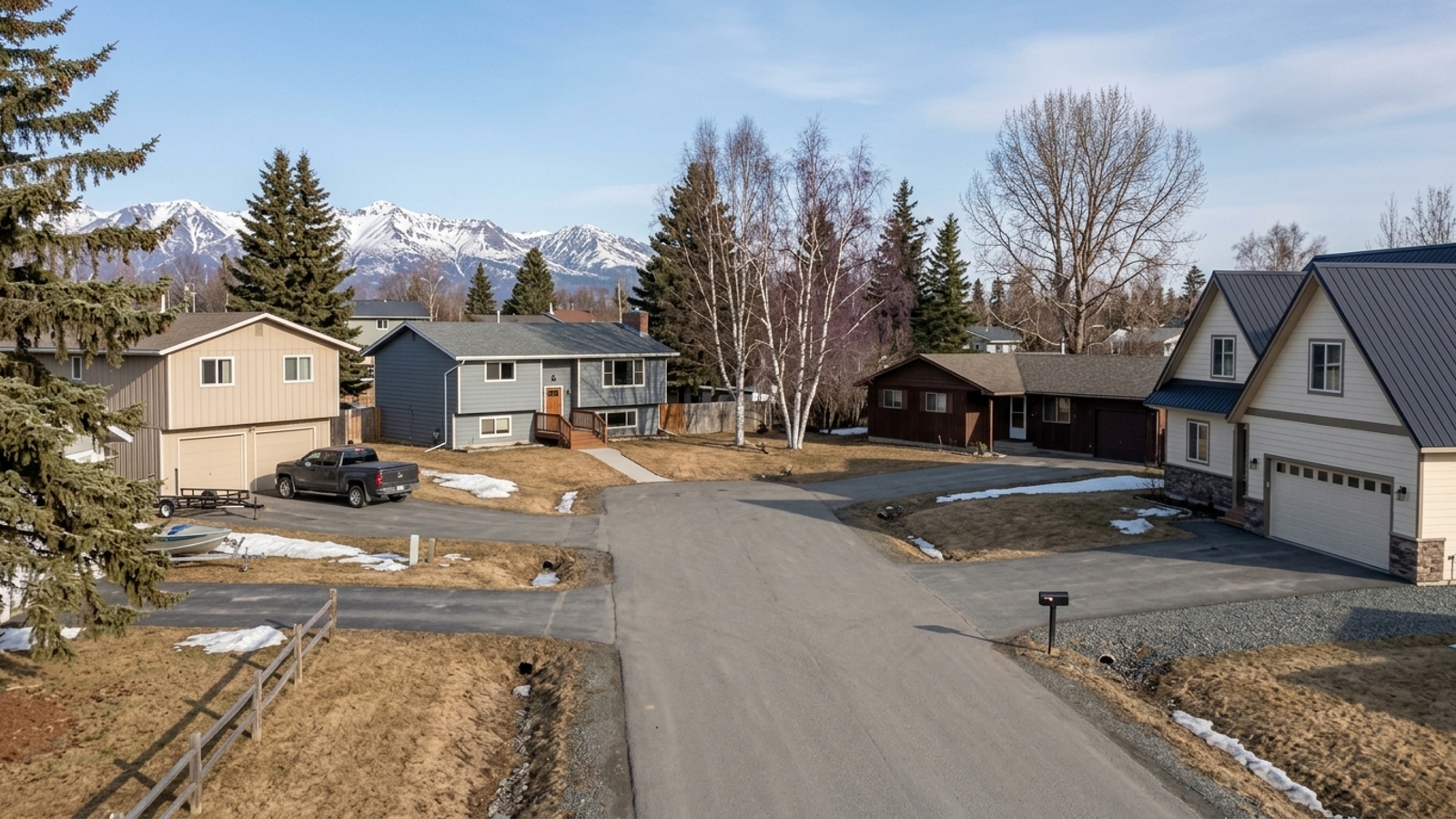
The U.S. Census Bureau's Vintage 2025 estimate puts the Anchorage Municipality population at 287,155 people. This population is distributed across various Anchorage, AK zip codes. As the largest city in Alaska, Anchorage functions as the state's primary economic and commercial hub - and that status shapes everything about how real estate here works.
If you're buying or selling in this market, population size isn't just a trivia number. With limited inventory and a median sale price of around $464,692, how many people live here directly affects how competitive things get when a property hits the market.
How Many People Live in Anchorage
Anchorage is a unified home rule municipality with a large geographic footprint, and its population numbers reflect that unusual structure. The U.S. Census Bureau's Vintage 2024 estimate recorded 289,600 residents as of July 1, 2024.
A more recent Vintage 2025 estimate, released in May 2026, put that number slightly lower at 287,155. Either way, Anchorage is the most populated area in Alaska by a wide margin - nothing else comes close.
Growth and Decline Over the Past Decade
The population here has been roughly flat to slightly declining for about ten years. Between 2010 and 2020, the number of residents dropped by about 0.98%.
Census Bureau data shows a 0.6% decline from the April 2020 base of 291,246 to the July 2024 estimate of 289,600. Some data sources did observe a slight uptick during 2024 before the 2025 dip, so the trend isn't a straight line down - but it's not growth either.
Density and Property Types Across the City
Anchorage covers approximately 1,706.8 to 1,707.1 square miles of land area, which makes it the fourth-largest U.S. city by total area. Spread 287,000 people across that much ground and you get an overall density of just 168 to 171 people per square mile.
That number is misleading on its own, though. Density isn't evenly distributed - most residents are concentrated in the Anchorage bowl, and that concentration is what determines the kinds of homes you'll find when you're searching.
City Condos and Wide-Open Spaces
Downtown Anchorage is your urban core - townhomes, condominium buildings, walkability, and proximity to commercial activity. If that's what you want, you'll focus your search near the city center.
Move outward toward the Hillside or Eagle River and the character shifts entirely. Homes in those areas tend to sit on larger lots, with more acreage and real distance between neighbors.
Finding the Right Neighborhood Layout
Where people choose to settle within the municipality shapes the housing stock directly. Dense neighborhoods closer to the bowl feature smaller lot sizes and multi-family units built to make the most of available space.
If privacy matters more than proximity, buyers typically look toward the edges of the Anchorage bowl - larger footprints, quieter surroundings, and a longer drive to get anywhere.
Getting Around and Local Development
The Glenn Highway and Seward Highway are the two main arteries connecting the Anchorage bowl to surrounding communities, and if you're considering a home outside the core, you'll want to know them well.
Drive times depend on how far out you go. Commuters from Eagle River and Girdwood use these highways every day to reach employment in the city, and that routine matters when you're evaluating a home's location.
Commuting on the Major Highways
The Glenn Highway carries traffic north toward Eagle River. If you're looking at homes in that direction, drive the route during actual rush hours before you decide - not on a Saturday afternoon.
The Seward Highway heads south toward Girdwood and the Kenai Peninsula. For anyone commuting into Anchorage from that corridor, proximity to the highway access points tends to influence what a property is worth.
New Housing Projects and Initiatives
Anchorage Mayor Suzanne LaFrance has launched a plan to build 10,000 homes in 10 years to address housing shortages and curb outmigration - which works out to roughly 1,000 new units per year. Building permits for dwelling units climbed from about 300 in 2024 to more than 400 in 2025, so there's early momentum.
The most notable public-private partnership right now is the Holtan Hills development in Girdwood. Its first phase installed sewer and water infrastructure to support 39 sites for single-family homes, duplexes, triplexes, and accessory dwelling units. Other projects in the pipeline include Spinell Homes' Alpine View Chalets subdivision in Girdwood and the Village Park development in Chugiak by Eklutna Inc.
How Population Dynamics Shape the Housing Market
Even with a slightly declining population, Anchorage has a genuinely tight housing supply. The market recently held just 1.6 months of supply, with roughly 623 available homes in inventory.
That's not much. And it means the competitive pressure you'd expect from a growing population exists here anyway - driven by undersupply rather than an influx of new residents.
Inventory Shortages and Buyer Demand
Low inventory keeps prices elevated regardless of flat population growth. Recently, 1,168 homes sold in the area, and over 43% of those sales closed above the asking price.
The average sale-to-list ratio sits at 100.4%. That means buyers are routinely paying full price or more. Sellers are in a strong position right now precisely because demand continues to outpace the number of listings.
Pricing Expectations for Buyers and Sellers
The median sale price currently sits at approximately $464,692, a 5.7% year-over-year increase. Values are holding, and the direction is still up.
Move-in ready homes in popular neighborhoods are drawing multiple offers. Until projects like Holtan Hills add enough units to meaningfully move the needle on supply, that dynamic isn't going away.
Frequently Asked Questions
Is the population of Anchorage growing?
No. It's been roughly flat to declining over the past decade. The 2020 census base was 291,246, and the Vintage 2025 estimate puts the current population at 287,155.
How dense is the population in Anchorage?
Overall density runs about 168 to 171 people per square mile. Most residents are concentrated in the Anchorage bowl, while the municipality's total land area spans over 1,706 square miles.
How does the population size affect Anchorage real estate?
The current population size, combined with low housing inventory, keeps the market competitive. With just 1.6 months of supply, buyers face a median sale price of around $464,692 and homes selling in a median of just 9 days.
What types of housing are most common in Anchorage's more densely populated neighborhoods?
Downtown Anchorage features higher-density housing like condominiums and townhomes. These properties maximize space in the most populated sections of the city.
Are Anchorage's roads and community amenities keeping up with current population trends?
The city relies on the Glenn Highway and Seward Highway to manage commuter traffic. To support the population and address housing shortages, the city aims to build 10,000 homes in 10 years, which requires substantial infrastructure updates alongside the new units.
Will Anchorage home prices drop if the local population declines?
Unlikely in the short term, given how severe the inventory shortage is. Even with recent population dips, tight supply keeps prices elevated - over 43% of recent sales closed above the asking price.