
Categories
Anchorage AKPublished July 13, 2026
What to Expect for Average Rent in Anchorage, AK in 2026

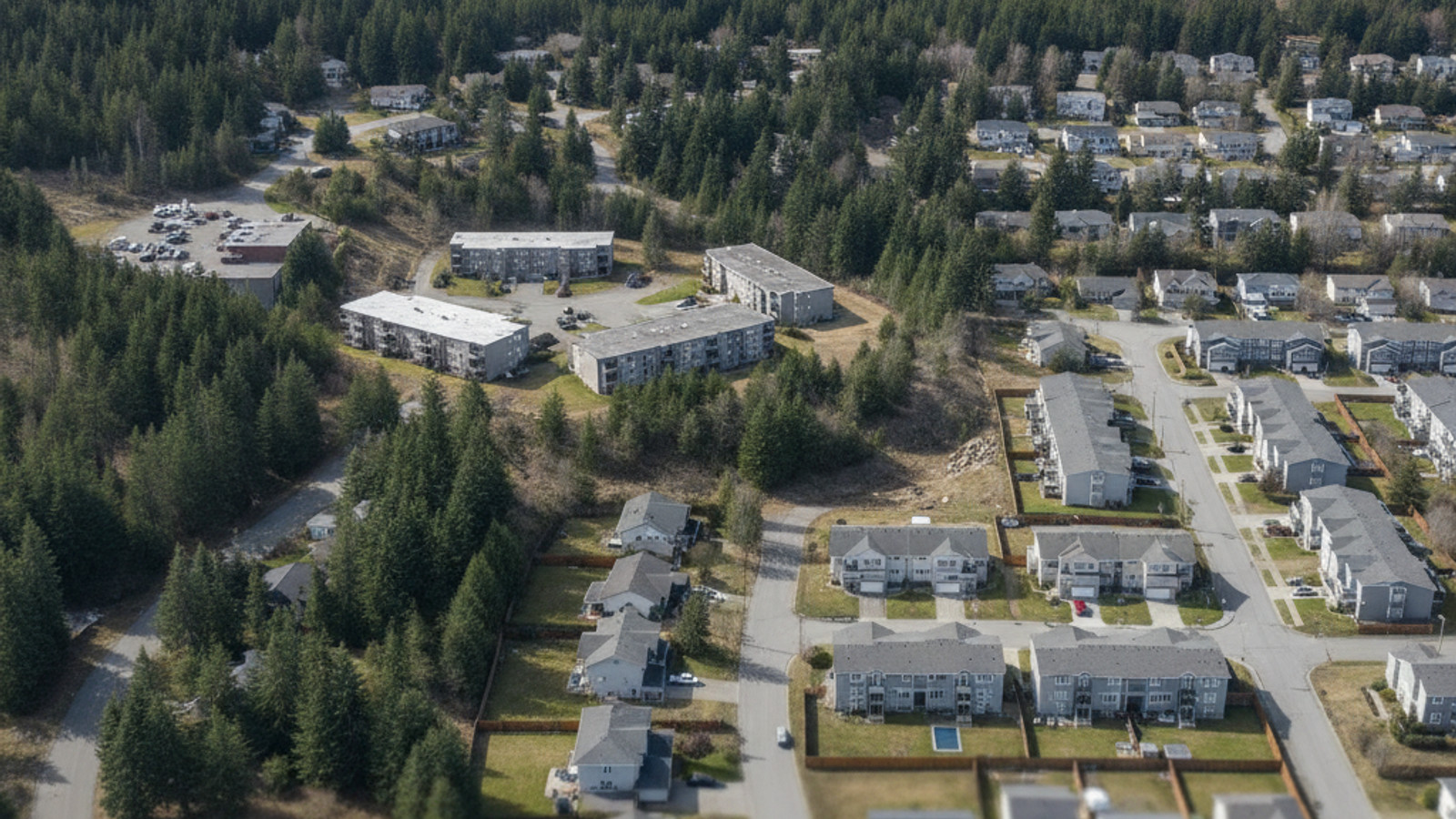
People moving to Southcentral Alaska often need a quick read on local housing costs before they arrive. When looking at the average rent in Anchorage, AK, the overall median sits around $1,700 to $1,800 a month in mid-2026. Those planning to buy rather than lease often start by contacting the best real estate agent in Anchorage.
Finding the right lease means balancing your budget against winter commute times and proximity to work hubs like Joint Base Elmendorf-Richardson (JBER). Monthly costs vary widely depending on whether you want a downtown studio or a larger single-family home on the Hillside.
Current Median Rent in Anchorage
The overall median rent in Anchorage sits near $1,750 per month. This figure tends to be slightly higher than the national median, largely due to the costs associated with building and maintaining properties in Alaska.
Renters here choose from a mix of multi-family apartment buildings, townhomes, and detached single-family houses. A large portion of the rental inventory consists of older fourplexes and mid-sized apartment complexes built during the 1970s and 1980s. New construction real estate is available, though it typically commands a higher premium.
Utility setups in these properties vary, which impacts your total monthly housing cost. Many older multi-family buildings include gas heating and water in the base rent, while single-family home rentals usually require tenants to pay all utilities.
Monthly Costs by Number of Bedrooms
Sizing up from a studio to a multi-bedroom home changes the monthly price tag quickly. Inventory for smaller units is generally more consistent, while detached homes for rent turn over less frequently.
Knowing the standard ranges helps you spot a fair deal when browsing listings. Here is a breakdown of approximate monthly rental costs by property size for 2026:
- Studio apartments: $1,050 to $1,250 per month.
- 1-bedroom units: $1,250 to $1,350 per month.
- 2-bedroom units: $1,550 to $1,700 per month.
- 3+ bedrooms and single-family homes: $2,000 to $2,800 or more, depending on lot size and garage space.
Homes with heated garages command a premium, especially during the winter months. Renters should factor that added convenience into their comparisons when looking at larger properties.
How Location Impacts Anchorage Rent
Anchorage covers a massive geographic area, and lease rates shift depending on which side of town you choose. Downtown and Midtown offer higher-density apartment living with easy access to major employers and the state's largest medical district.
Rents in South Anchorage and the Hillside are generally the highest in the municipality of Anchorage. These areas feature predominantly single-family homes on larger, wooded lots. Leasing one of these detached houses often pushes typical monthly costs well past the $2,500 mark.
East Anchorage tends to offer more budget-conscious rental options. Tenants looking for two-bedroom units or townhomes often find the most competitive pricing near the Glenn Highway corridor.
Commutes and Base Proximity
Daily drive times dictate where many residents choose to sign a lease. Military personnel relocating to JBER often focus on East Anchorage or Eagle River to minimize their morning commute to the gates.
Medical professionals and university staff frequently look for rentals near the U-Med district. This area surrounds Providence Alaska Medical Center and the University of Alaska Anchorage, providing quick access to campus and shift work.
Commuters working in Downtown Anchorage generally rely on the Seward Highway or Glenn Highway. Renters who prefer not to drive can use the People Mover bus system, which operates routes connecting major commercial hubs and residential zones.
Proximity to outdoor recreation is another major factor for local renters. Properties adjacent to Chugach State Park access points or the Tony Knowles Coastal Trail often see higher demand and faster turnover.
Rental Market Trends for 2026
Anchorage rents have seen a steady 1% to 3% year-over-year increase heading into the summer of 2026. Available rental inventory tightens during the warmer months when seasonal workers and military transfers arrive in the state.
The local housing market for buyers is tight, which keeps pressure on the rental side. As of May 2026, the median sale price for a home in Anchorage reached approximately $455,500. These listed properties spend just 9 days on the market before going under contract.
With only 1.3 months of housing supply available for purchase, some prospective buyers are choosing to rent longer while they wait for more listings. This sustained renter demand means well-priced apartments rarely sit vacant for more than a few days.
Frequently Asked Questions
What are the average rent costs for different apartment sizes (studio, 1-bedroom, 2-bedroom) in Anchorage, AK?
Studio apartments average $1,050 to $1,250, while 1-bedroom units sit around $1,250 to $1,350. Renters looking for a 2-bedroom layout should expect to pay between $1,550 and $1,700 per month.
Is rent expensive in Anchorage compared to the rest of the US?
Anchorage lease rates are generally higher than the national median. The added expenses of importing building materials and maintaining properties in a subarctic climate push the baseline costs up for property owners, which translates to higher monthly rents.
What are the most affordable neighborhoods to rent in Anchorage?
East Anchorage consistently offers some of the lowest rental rates in the city. Renters can often find multi-family units and older townhomes here for $100 to $200 less per month than comparable properties in South Anchorage or Midtown.
How much should I spend on rent in Anchorage if I make $3,000 a month?
Financial experts recommend spending no more than 30% of your gross income on housing. On a $3,000 monthly income, you should aim to cap your rent at $900, which usually means looking for a roommate situation or a smaller studio.
What salary do you need to live comfortably or afford rent in Anchorage, AK?
To comfortably afford the median Anchorage rent of $1,750 without exceeding the 30% rule, a renter needs a gross household income of about $70,000 per year. Factoring in local grocery and transportation costs, a higher income provides more breathing room.
Do Anchorage rental listings typically include winter utilities like heating in the monthly price?
Many older apartment buildings and fourplexes include gas heating and water in the base rent. Renters leasing single-family homes or newer townhouses usually pay all utilities, which can add $200 or more to winter monthly expenses.

Annie Bjerkestrand
CEO, Listing Specialist, REALTOR® | Annie Bjerkestrand | RMG Real Estate
or another way