
Categories
Anchorage AKPublished October 4, 2026
Neighborhoods in Anchorage, AK: Homes, Prices, and Where to Buy

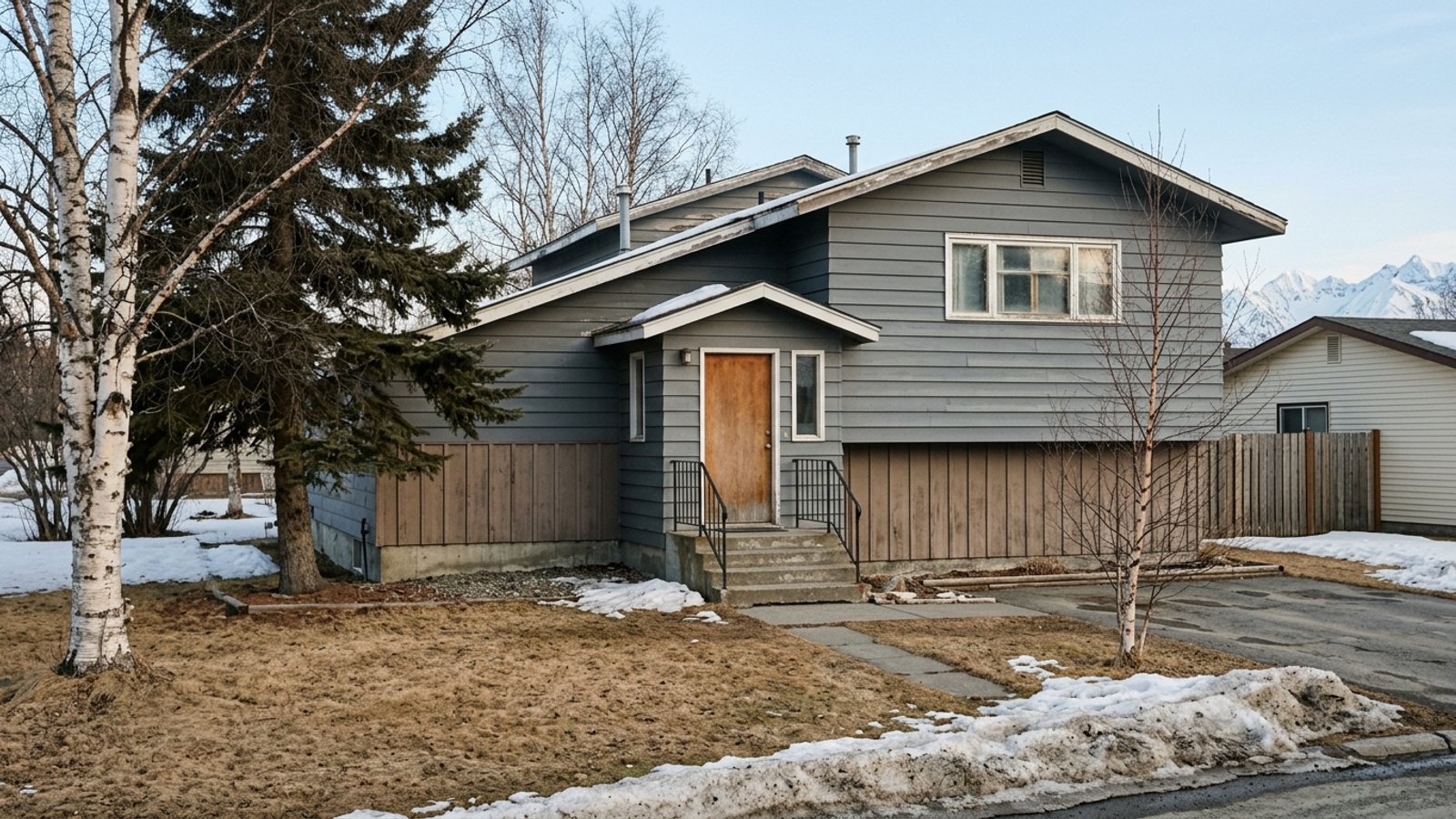
The median home sale price in Anchorage, AK sits at roughly $464,000, and homes are going under contract in just 9 days on average. Nearly 44% of properties sell above asking price, so if you're thinking this market will wait for you to get comfortable, it won't. Anyone buying a home in Anchorage, AK needs to move quickly.
Anchorage had a population of 291,247 at the 2020 census - nearly 40 percent of Alaska's total population living in one municipality. The city runs the full range: dense downtown condos, mid-century ranch homes, newer construction, all of it backed up against Chugach State Park.
How Anchorage is Organized
Anchorage is officially the Municipality of Anchorage, a unified home-rule borough formed in 1975 when the City of Anchorage merged with the Greater Anchorage Area Borough. That merger matters to you as a buyer because it means the city limits function much like a county does in other states - vast geographic coverage, one municipal government.
The city divides into several distinct areas, from the dense grid of Downtown to the residential tracts of West Anchorage and Midtown. When you're evaluating those areas, it comes down to three things: housing types, price points, and commute times to wherever you're going to work.
The Borough Structure
Because Anchorage operates as a unified borough, municipal services stretch across a wide footprint - everything from urban centers to remote mountainous terrain. If you're moving from the Lower 48, that scale can catch you off guard.
Neighborhood boundaries here are largely defined by major arterial roads like Northern Lights Boulevard and the Seward Highway. Those routes shape daily traffic patterns and determine how quickly you can reach amenities like the Anchorage Museum.
Choosing Your Location
Start with property type and budget, not a subdivision name. There are roughly 623 available homes in active inventory right now - tight across every sector.
Proximity to landmarks like the Alaska Native Heritage Center or the Alaska Wildlife Conservation Center does influence property values in specific corridors. Map your regular commute first, then see what the inventory looks like in that zone.
Anchorage Neighborhood Locations
The downtown core sits at the northwestern edge of the city, bordered by the Knik Arm of Cook Inlet, with main thoroughfares radiating south and east from there.
South Addition sits directly south of Downtown. Turnagain and the other western neighborhoods push out from there toward the water. Midtown occupies the geographic center of the city, while Government Hill sits just north of the downtown rail yards - physically close to Downtown but separated enough to feel like its own place.
West Anchorage and Downtown
The western side of the city includes Turnagain, which sits close to the coastal trail system. Downtown runs on a grid with denser housing - high-rise condominiums and older single-family homes both in the mix. South Addition bridges the commercial center and the residential west side, and these neighborhoods offer the shortest commutes for anyone working in the central business district.
Midtown and Surrounding Areas
Midtown is the retail and commercial hub of the city, intersected by the Seward Highway and Benson Boulevard. You'll find apartment buildings, townhomes, and single-family subdivisions all within a few blocks of each other. Spenard cuts diagonally through this section, connecting the airport area to Midtown. The housing stock across these central neighborhoods varies widely in age, condition, and price - which means your dollar can go further here than in the more established western neighborhoods, but you need to look carefully at what you're getting.
Home Types and Pricing Across the City
Redfin data puts the median sale price in Anchorage at $464,692, a 5.7% year-over-year increase. Inventory is constrained at about 1.6 months of supply, so this isn't a market where you'll have weeks to think something over.
The range of what's available is wide - compact downtown condos on one end, large detached homes on multi-acre lots on the other. Knowing what you're after before you start touring will save you real time.
Single-Family Detached Homes
Detached homes make up the majority of Anchorage's residential real estate. Older neighborhoods tend toward mid-century ranch styles and split-level designs from the city's oil boom years. Properties in established areas like Turnagain and South Addition frequently command prices above the citywide median, and the average home sells slightly above its list price - so plan your offer accordingly.
Condominiums and Townhomes
Attached housing is your most accessible entry point in this market. Downtown and Midtown have the highest concentration of condo buildings, ranging from older low-rises to newer luxury units. Townhomes are scattered throughout the city for buyers who want multiple floors without the maintenance of a large yard. Just remember to factor monthly homeowners association dues into your actual budget before you fall in love with a unit.
New Construction and Subdivisions
Anchorage is hemmed in by mountains and water, so new construction within the city limits is limited. Builders focus on infill projects or small subdivisions along the southern and eastern edges of the municipality. Compared to existing inventory, your choices for brand-new homes are genuinely slim - but those newer properties do come with modern insulation and heating systems built for the Alaskan climate, which is worth something up here.
Profiles of Notable Anchorage Neighborhoods
Anchorage contains dozens of named subdivisions and community council areas. A handful of them come up repeatedly in real estate searches because of their location, housing density, and overall presence in the market.
Each area offers a different mix of property types and proximity to city infrastructure.
Turnagain
Turnagain is a well-established neighborhood in west Anchorage, close to both downtown and midtown. The housing stock is primarily single-family homes built between the 1950s and 1980s, on larger lots than you'll find in most other parts of the city.
Property values here generally sit above the Anchorage median, and the neighborhood has straightforward access to the airport and the coastal trail system. If you want an established western neighborhood with room outside, this is where most buyers start looking.
Downtown and South Addition
Downtown Anchorage mixes commercial office space with residential condominiums and older single-family homes. The housing stock is among the oldest in the city, though many buildings have been extensively renovated.
South Addition sits just south of the commercial core and offers a quieter residential setting while keeping walkability to downtown amenities. Homes there are typically priced at a premium compared to similar properties further east.
Spenard and Midtown
These two areas give you the most varied price points in the city, which makes them accessible to a wider range of buyers. The housing mix covers older single-family homes, newer townhome developments, and apartment conversions, all within close reach of major retail centers and arterial roads.
Government Hill
Government Hill sits on a bluff just north of Downtown, separated from it by the Ship Creek industrial area. That geography gives the neighborhood a self-contained feel with limited through-traffic. The housing stock includes older single-family homes, duplexes, and military housing. For buyers who need to be near the downtown core or the nearby military base, the commute times here are hard to beat.
The Anchorage Housing Market
Over a recent three-month period, 1,168 homes sold in Anchorage - solid transaction volume even against tight inventory. The average sale-to-list price ratio sits at 100.47%, meaning most homes are selling at or just above asking.
Purchase price is only one piece of your budget. Property taxes, utility costs, and local services all factor in. One thing that does work in your favor: Anchorage has no municipal sales tax.
Median Prices and Market Speed
Nine days. That's the median time a home spends on the market before going under contract. You need your financing locked down before you start touring - not during, not after.
With nearly 44% of homes selling above list price, competitive offers are the norm rather than the exception, especially for single-family homes in established areas like Turnagain. Your agent should be helping you structure offers that account for that reality before you write your first one.
School District Boundaries
All public schools within the Municipality of Anchorage fall under the Anchorage School District (ASD), headquartered at 5530 East Northern Lights Boulevard and serving over 42,000 students across dozens of facilities.
Attendance zones are determined by your home's address. Don't assume the listing's school information is current - verify which specific schools serve a property directly through the official boundary maps on the ASD website.
Researching Local Crime Data
The Anchorage Police Department (APD), formed in 1920, is the largest municipal police force in Alaska and handles law enforcement across the vast majority of the borough's neighborhoods.
For crime statistics on a specific address or area, use the APD's official crime map portal or the FBI's Uniform Crime Reporting (UCR) database. Both give you factual, address-level data rather than general impressions.
Finding Your Anchorage Home
Start with a clear picture of your budget and preferred property type. With only 623 homes in active inventory, being flexible on location can genuinely open up your options - neighborhoods you hadn't considered may have exactly what you're looking for at a better price point.
Whether you're targeting a condo in Midtown or a detached home near Chugach State Park, preparation is what separates buyers who close from buyers who keep losing out.
Renting vs. Buying
Some people rent first when they arrive in Anchorage - it's a reasonable way to learn the city before committing. Rental properties are concentrated in Midtown, Spenard, and Downtown. Buying locks in your housing costs and builds equity, but it requires a genuine long-term commitment to the area. Compare current mortgage rates against local rent prices and make that call based on your actual situation.
Working With a Local Agent
A local agent gives you direct access to MLS data and handles property tours and contract negotiations. They can search across different Anchorage subdivisions simultaneously and set up alerts the moment something that fits your criteria hits the market.
An experienced agent here also understands the specifics of Alaskan real estate - specialized foundation types, winter weatherization standards, the things that don't come up in markets further south but matter a great deal when you're living here.
Frequently Asked Questions
What neighborhoods and communities are in Anchorage, AK?
Anchorage includes dozens of distinct areas, ranging from the urban core of Downtown to residential subdivisions like Turnagain, Spenard, Midtown, South Addition, and Government Hill. Because the city operates as a unified borough, these communities all fall under the same municipal government.
What should I know about Anchorage's neighborhoods when buying a home?
Focus on property types, median prices, and commute times. Downtown offers dense condominium living, while Turnagain features established single-family homes on larger lots - those are genuinely different lifestyles at different price points.
What do homes cost across Anchorage's neighborhoods?
The median home sale price in Anchorage is currently around $464,000, though prices vary widely by area. Estimates vary by source - Zillow reports a typical home value index of roughly $422,785, while detached homes in established western neighborhoods often exceed these medians.
What types of homes are available in Anchorage?
The housing stock includes mid-century single-family ranch homes, newer multi-story detached houses, downtown condominiums, and scattered townhome developments. Because of geographic constraints, brand-new construction is relatively limited within the city center.
How can I research crime data for a specific Anchorage neighborhood?
Use the Anchorage Police Department (APD) - the largest municipal police force in the state - which provides an official crime map portal. Additional data is available through the FBI's Uniform Crime Reporting database.
What school districts serve Anchorage's neighborhoods?
All public schools within the municipality fall under the Anchorage School District (ASD), which serves over 42,000 students. Attendance boundaries are tied to your home's address, so verify zoning directly through the ASD's official maps rather than relying on what a listing says.
How do I find homes for sale in a specific Anchorage neighborhood?
Work with a local real estate agent who has direct access to the Anchorage Multiple Listing Service. Online portals can supplement that, but an agent can set up immediate alerts for specific subdivisions like South Addition or Spenard and move faster than any public search tool.
What are the biggest pitfalls to avoid when choosing a neighborhood in Anchorage, AK?
Underestimating commute times is the big one - especially once winter weather hits. And verify school attendance zones directly with the Anchorage School District rather than trusting what a third-party real estate listing says. Those details change, and the official source is the only one that matters.

Annie Bjerkestrand
CEO, Listing Specialist, REALTOR® | Annie Bjerkestrand | RMG Real Estate
or another way