
Published June 18, 2026
The Ultimate 2026 Guide for First Time Home Buyers Anchorage, AK

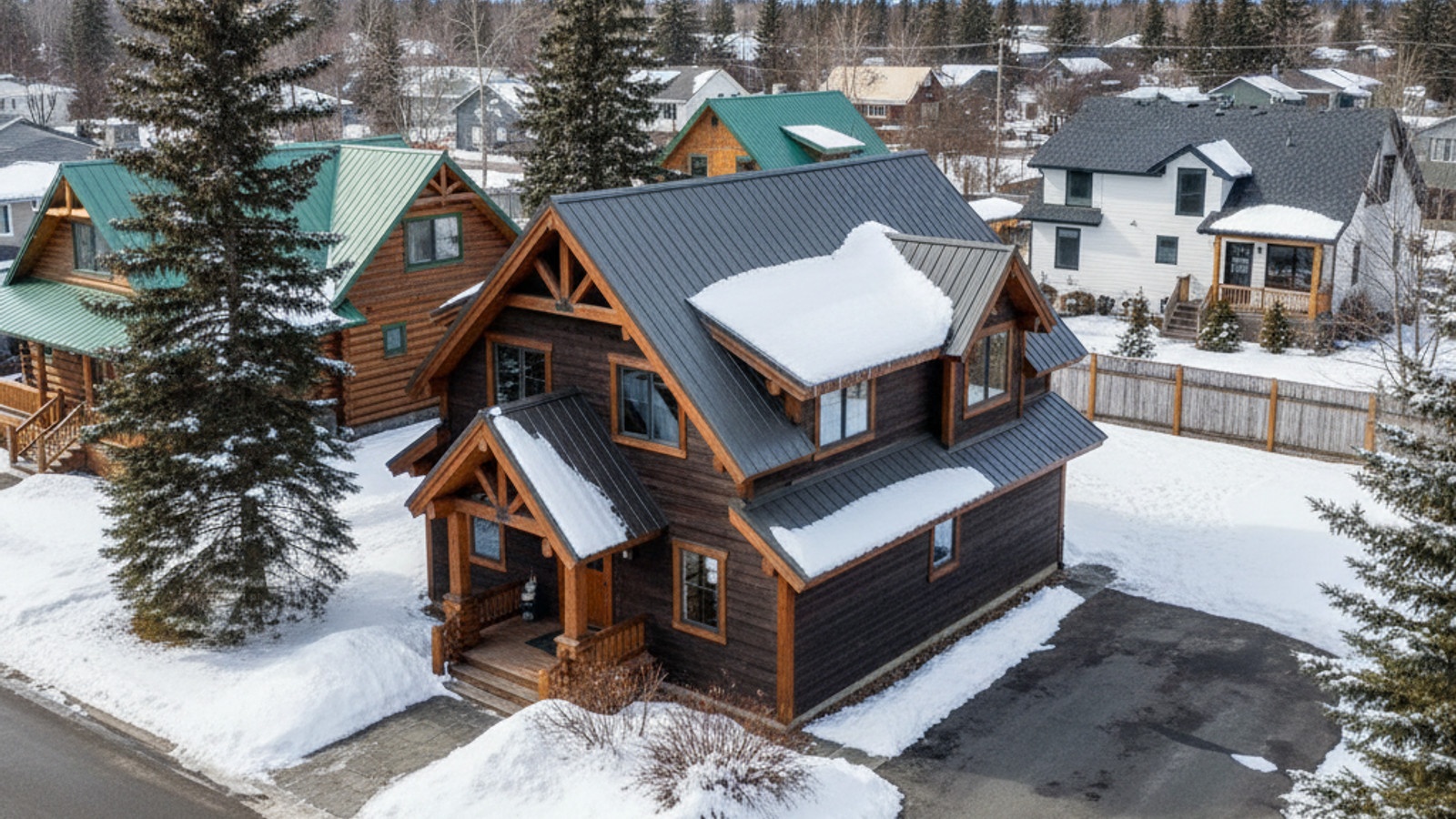
Entering the local housing market requires careful planning and a solid understanding of the unique conditions found in the Last Frontier. Buying a property here involves more than just finding a layout you like and signing a stack of closing documents. You need to account for cold-climate maintenance, specialized state loan programs, and a fast-moving inventory landscape.
Successfully navigating this process means assembling the right team and securing your financing before you even attend your first showing. By preparing early, you can avoid common pitfalls that delay loan approvals or lead to unexpected out-of-pocket expenses. This guide outlines exactly what you need to know to secure your first property in the municipality this year.
Understanding the nuances of property taxes, school zones, and winterization requirements will give you a significant advantage over less prepared shoppers. The local housing inventory requires a strategic approach, blending state-sponsored financial tools with aggressive house-hunting tactics. By mastering these elements, you can confidently transition from renting to owning a piece of Alaska.
Understanding the 2026 Anchorage Real Estate Market for Entry-Level Buyers
The Anchorage housing market moves quickly, especially for properties priced at the entry-level tier. As of early 2026, the median sale price for a home in the municipality hovers around $400,000. This price point represents a highly competitive segment where well-maintained properties often receive multiple offers within days of listing on the local MLS.
Because inventory turns over rapidly, securing a mortgage pre-approval is an absolute necessity before viewing any homes. Sellers rarely consider offers from buyers who lack documented proof of funds or a verified lender letter. My strongest advice for new buyers is to act decisively on well-priced entry-level inventory, as hesitation often results in losing out to better-prepared competitors.
Current Price Points for Single-Family Homes, Condos, and Townhomes
Detached single-family homes generally command the highest prices, frequently landing near or above the approximate $400,000 median depending on the specific zip code. Buyers looking for more accessible entry points often focus on condominiums and townhomes, which typically list for significantly less. These attached units provide a practical way to build equity without the higher upfront acquisition cost of a detached house.
When evaluating condominiums, you must factor the monthly HOA dues into your overall budget. Lenders include these association fees when calculating your debt-to-income ratio for mortgage qualification. While condos offer a lower purchase price, high monthly dues can sometimes make a single-family home equally viable from a monthly payment perspective.
Commute Times and Local Infrastructure
Location significantly impacts your daily routine, especially given the distinct commute patterns along the Glenn Highway and Seward Highway. Properties in outlying areas offer different geographic access but require budgeting extra time for winter driving conditions. Buyers working at Joint Base Elmendorf-Richardson often prioritize neighborhoods with quick gate access to minimize their morning transit.
Beyond highway access, the municipality features extensive recreational infrastructure that adds value to nearby properties. Neighborhoods adjacent to the Tony Knowles Coastal Trail or the extensive local park system consistently command a premium. Evaluating these objective location features helps ensure the property aligns with your daily transit needs and outdoor interests.
Navigating Anchorage Property Taxes and School Districts
Property taxes in the municipality are calculated using mill rates that vary based on the specific service area where the home is located. The base Areawide General rate of 0.36 mills applies to all properties, but additional mills are added for localized services like road maintenance and fire protection. Because of this structure, two homes with identical price tags can have noticeably different tax burdens if they sit in different service areas.
When establishing your monthly budget, you should calculate your estimated taxes based on the 2026 assessed value rather than relying on the seller's past tax bills. The municipal assessor updates property values annually, and a recent sale often triggers a reassessment that will affect your future payments. Additionally, the boundaries of the Anchorage School District dictate specific enrollment zones, which often serve as a primary search parameter for buyers prioritizing specific educational facilities.
Buyers must also factor in how these local tax assessments impact their debt-to-income ratios during the mortgage underwriting process. Lenders will calculate your maximum loan approval amount based on the total monthly payment, which includes these localized property taxes. Understanding this relationship ensures you do not fall in love with a property only to realize the specific service area taxes push it out of your approved budget.
Alaska Housing Finance Corporation (AHFC) Programs and Grants
State-specific financial assistance plays a massive role in making homeownership a reality for residents purchasing their first property. The Alaska Housing Finance Corporation provides specialized resources designed to lower your interest rate and reduce overall acquisition costs. These state programs are incredibly flexible and can be seamlessly combined with federal options like FHA, VA, and USDA loans.
Exploring all available loan programs is critical for minimizing your out-of-pocket expenses at the closing table. By layering an AHFC interest rate reduction with a low-down-payment federal loan, buyers can keep more cash in their savings accounts for future maintenance. Working with a local lender who understands these specific combinations ensures you do not leave valuable financial assistance on the table.
First Home vs. First Home Limited Loans
The AHFC offers two primary loan options tailored specifically for buyers who have not owned a primary residence in the last three years. Understanding the distinction between these two paths helps you select the right financing vehicle for your specific income level.
- The First Home program provides a reduced interest rate and does not impose any maximum income limits on the applicant.
- The First Home Limited program offers an even lower interest rate but requires buyers to meet strict income and acquisition cost limits.
- Qualified military veterans and buyers purchasing in targeted census tracts are often exempt from the three-year non-ownership rule.
Down Payment Assistance and Educational Courses
Coming up with the initial cash remains the biggest hurdle for many buyers, but down payment assistance programs exist to help cover these upfront closing costs. Low-income buyers can often secure grants that bridge the gap between their savings and the lender's required minimum investment. Accessing these funds typically requires the completion of an approved homeownership education program.
Taking the AHFC HomeChoice educational course provides a clear financial benefit and is often mandatory for specific assistance grants. Completing this homeownership class early in the process saves money and prevents frustrating loan approval delays as your closing date approaches. The course teaches you exactly what to expect regarding inspections, loan processing, and long-term property maintenance.
The Home Buying Process in Anchorage, Alaska
Closing a real estate transaction in the Last Frontier involves standard national procedures mixed with unique local requirements. The process begins with mortgage pre-approval, transitions into house hunting, and moves through the offer, real estate appraisal, and closing phases. A typical closing timeline in the municipality ranges from 30 to 45 days once the seller accepts your purchase agreement.
Successfully navigating this timeline requires the guidance of a local real estate agent who is intimately familiar with the Anchorage MLS and Alaska real estate laws. An experienced agent will ensure your purchase agreement includes the necessary contingencies to protect your earnest money. They also coordinate the specialized evaluations required to verify a home can withstand extreme seasonal shifts.
The timeline from an accepted offer to the final closing table requires constant communication between your lender, agent, and the title company. Delays often occur when buyers fail to promptly provide requested financial documents or when specialized appraisers are booked out weeks in advance. Staying proactive and organized throughout this 30-to-45-day window is the best way to ensure your transaction closes on schedule.
Essential Alaska-Specific Inspections: Energy Efficiency and Winterization
Standard home inspections are simply not enough when buying a property in a demanding cold-weather climate. You must conduct specific winterization inspections that check for hidden air leaks, proper insulation R-values, and the overall functionality of the heating system. Blower door tests are frequently utilized to measure air infiltration and identify areas where costly heat is escaping the building envelope.
Assessing the energy efficiency of a property helps predict your future monthly utility costs during the darkest months of the year. Inspectors will also check for proper roof ventilation and functional gutter drainage, which are critical for ice dam prevention. Overlooking these structural details can lead to severe water damage and expensive emergency repairs shortly after you take possession.
Understanding Snow Removal Responsibilities and Local HOA Rules
Winter property maintenance introduces an entirely separate set of responsibilities that buyers must factor into their seasonal routine. Homeowners are fully responsible for snow removal on their private driveways and any adjacent public sidewalks bordering their lot. The Municipality of Anchorage enforces strict rules against pushing private snow into public streets, and violations can result in substantial fines.
If you purchase a property governed by an association, your monthly dues might cover some of these winter maintenance tasks. Condominium or neighborhood HOA fees often include parking lot clearing and walkway shoveling, which saves considerable time during heavy storm cycles. You should always verify the exact scope of this coverage in the resale certificate before finalizing your purchase.
Frequently Asked Questions
Who is eligible for first-time home buyer programs in Alaska?
To qualify under AHFC rules, you generally must not have owned a primary residence within the last three years. Exceptions exist for qualified military veterans or individuals purchasing homes in specific targeted census tracts. You must also meet the credit score requirements and, for certain programs, adhere to stated income limits.
What is the minimum down payment required for first-time homebuyers in Anchorage, AK?
The required down payment depends entirely on the type of loan you secure. VA and USDA loans offer zero-down options for eligible buyers, while FHA loans typically require an approximate 3.5% minimum investment. Conventional loans often require 3% to 5% down, though state assistance grants can help cover these upfront costs.
How much are property taxes in Anchorage, Alaska?
Property taxes are calculated using a base Areawide General rate of 0.36 mills plus additional service area mills. Because these rates vary by neighborhood services like fire and road maintenance, exact amounts differ widely across the municipality. You should estimate your taxes based on the 2026 assessed value of the specific property you intend to buy.
Do I need a real estate agent to buy a home in Anchorage, AK?
While not legally required, working with a licensed real estate agent is highly recommended to navigate the fast-paced local market. An agent provides access to the Anchorage MLS, negotiates purchase terms, and ensures compliance with Alaska real estate laws. Their expertise is crucial for coordinating specialized cold-climate inspections and keeping your closing timeline on track.