
Published June 19, 2026
Selling Your Home: Pricing Strategies in Anchorage, AK for 2026

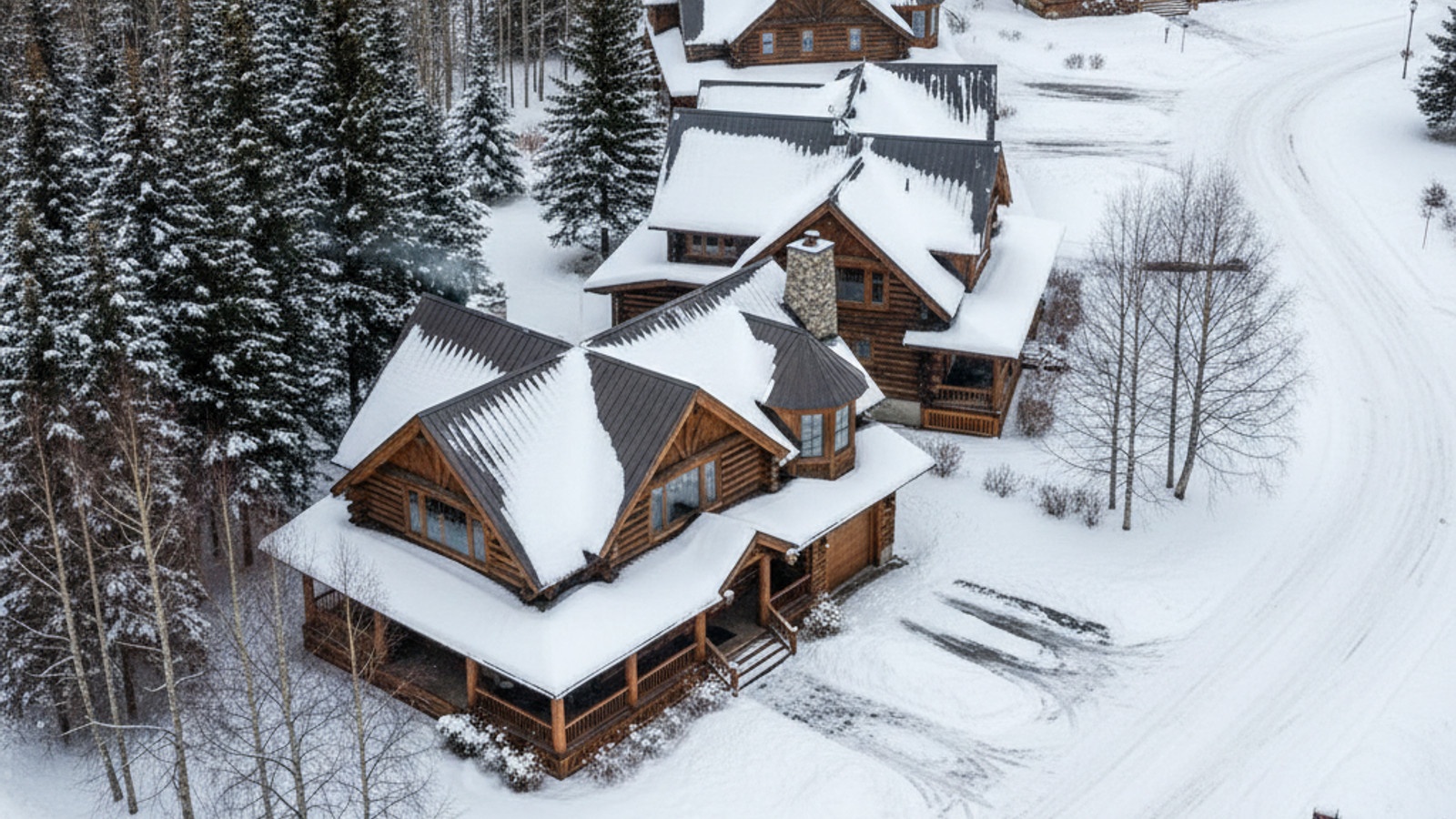
The median sale price for a home in Anchorage, AK currently sits between $410,000 and $420,000. Sellers are seeing strong returns, but buyers remain focused on their monthly payments due to current interest rates. Finding the sweet spot for your list price requires a firm understanding of local buyer behavior.
Setting the right asking price from day one dictates how much attention your listing will receive. Homes priced correctly often sell near the current 99% sale-to-list ratio. Overpriced homes tend to sit on the market, eventually requiring price drops that signal desperation to buyers.
Current Market Conditions in Anchorage
Available listings remain low across the Anchorage Bowl, which continues to favor sellers. Buyers are out there, but they are carefully calculating their purchasing power before scheduling a showing. A home priced accurately will generate immediate interest, while an inflated price tag will cause buyers to scroll past.
The average time a home spends on the Multiple Listing Service (MLS) varies depending on the property type and the specific zip code. Move-in ready homes in popular areas often go under contract in less than two weeks. Properties needing extensive updates or those located further out can take closer to a month and a half to find the right buyer.
Steady but modest price growth across the municipality impacts how long sellers should expect the process to take. You should plan your timeline around these local averages rather than national news headlines. Setting expectations based on local data helps you avoid frustration during the first few weeks on the market.
The Impact of Alaskan Seasons on Home Values
Summer properties in Anchorage often sell in under 15 days. The warmer months bring peak buyer demand, allowing sellers to maintain firmer asking prices. Long daylight hours also make it easier for buyers to view homes after work and thoroughly inspect exterior features.
Winter listings face a smaller buyer pool and average closer to 40 days on the market. Sellers listing between November and March should price their homes at or slightly below market value to prevent the property from stagnating. Buyers braving the snow and ice are usually serious, but there are simply fewer of them.
Military relocations at Joint Base Elmendorf-Richardson (JBER) also drive seasonal demand. These transfers typically peak in the spring and summer months, bringing a wave of buyers who need housing quickly. Timing your listing to align with this influx can lead to faster offers and better terms.
Methods for Pricing Your Home
Homes priced correctly from day one typically close at or near the 99% sale-to-list ratio. Sellers who understand this metric use specific methods to attract buyers and secure strong offers. Choosing the right approach depends on your timeline and the current inventory in your immediate area.
There are three main approaches sellers use when setting an asking price. Each comes with distinct benefits and potential drawbacks.
-
Pricing slightly below market value: This approach stimulates multiple offers and can initiate a bidding war. It works best when inventory is low and buyer demand is strong.
-
Pricing exactly at market value: Setting a fair price attracts serious, qualified buyers who are comparing active listings. This method relies on accurate comparable sales to justify the asking price to appraisers.
-
Overpricing to test the market: Listing above market value carries financial risks, including eventual price drops and extended days on market. Buyers often assume something is wrong with a property that sits unsold for months.
Real estate data shows that overpriced homes usually end up closing for less than they would have if priced correctly from the start. Buyers monitor price reductions closely and often submit lower offers once a home sits for several weeks.
Finding the Right List Price with Neighborhood Data
The median price per square foot in Anchorage is currently around $247. While this number provides a broad baseline, it does not account for the specific features of your property or your immediate neighborhood. You should review recent comparable sales within your own zip code rather than relying on municipality-wide data.
Adjusting your baseline price requires an honest look at your home's condition compared to similar properties. Recent upgrades like a new boiler system, a paved driveway, or unobstructed mountain views add tangible value. Conversely, original 1980s bathrooms or a roof nearing the end of its life will pull your starting price down.
Price per square foot is a helpful starting point, but it should not dictate your final number. A smaller home with premium finishes often commands a higher price per square foot than a larger, outdated home next door. Buyers look at the total package, and your asking price should reflect the overall condition of the property.
Factoring in Closing Costs and Seller Proceeds
Real estate commissions generally range from 5% to 6% of the final sale price in Anchorage. These fees are typically split between the buyer's agent and the seller's agent at the closing table. Sellers need to account for these costs when calculating how much cash they will walk away with.
Beyond agent commissions, sellers are responsible for local transfer taxes, recording fees, and prorated municipal property taxes. Title insurance policies and potential buyer closing cost credits also eat into the final net proceeds. You should request an estimated net sheet before finalizing your list price to ensure you meet your financial goals.
Setting a list price that absorbs these costs requires a balance between your target net profit and what the market will bear. If your required net profit pushes the asking price above comparable sales, the home will likely sit unsold. Buyers will not overpay simply because a seller needs a specific amount for their next down payment.
Frequently Asked Questions
Should I price my Anchorage home higher to leave room for negotiation?
No, inflating your asking price usually backfires by reducing your initial showing traffic. Buyers searching up to a $400,000 limit will never see your listing if you price it at $415,000 just to negotiate down. Pricing accurately from the start generates more interest and often leads to offers closer to your target number.
How do HOA fees impact my home's asking price?
High monthly dues reduce a buyer's overall purchasing power and loan approval amount. If your condo in South Anchorage carries a $450 monthly HOA fee, buyers must factor that into their debt-to-income ratio. You should adjust your asking price to account for these recurring costs, especially if neighboring communities offer lower monthly dues.