
Categories
Anchorage AKPublished August 14, 2026
The History of Anchorage, AK: Origins, Name, and Local Milestones

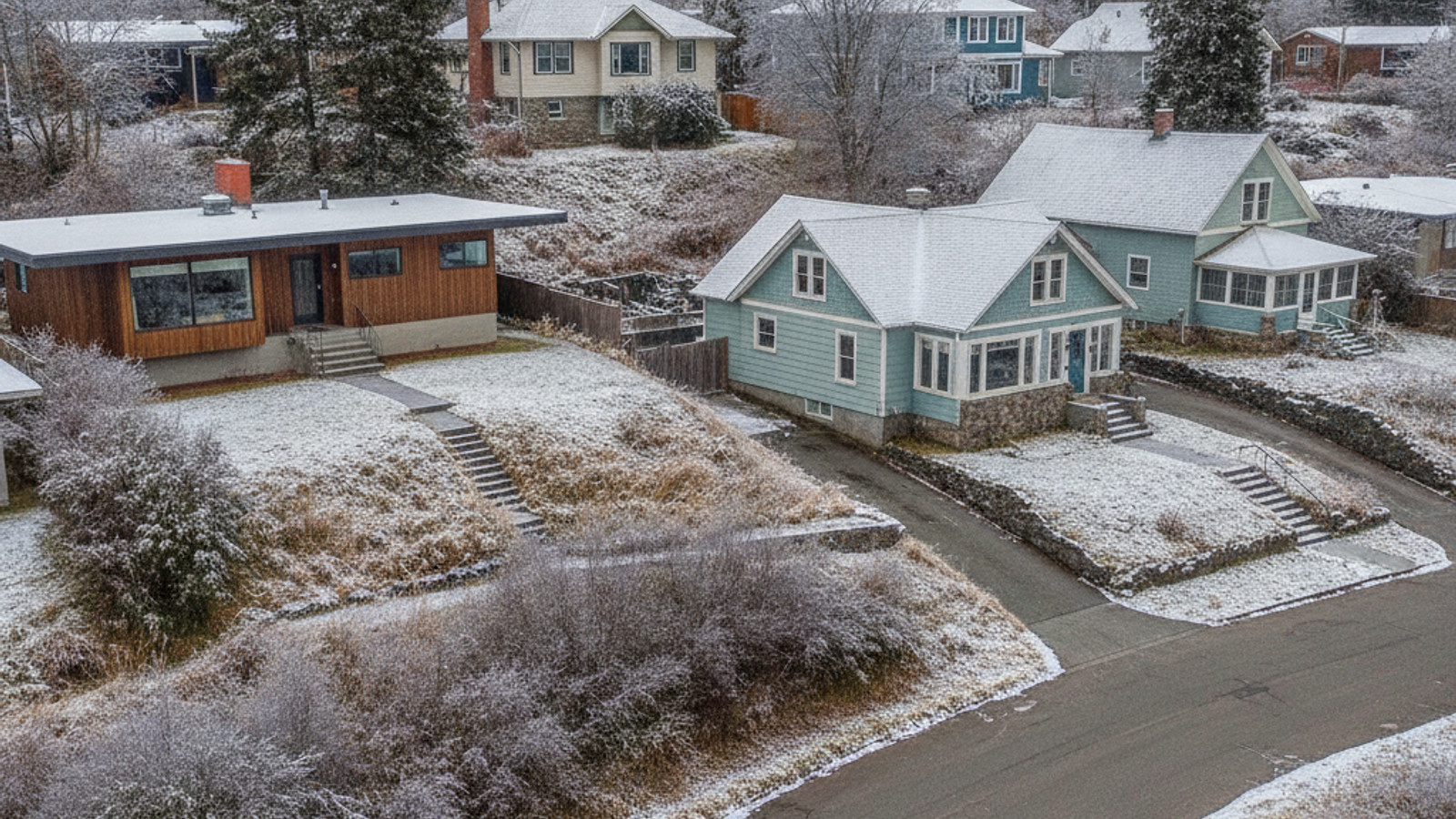
Homes in Anchorage, AK are spending roughly nine days on the market before going under contract - which doesn't leave much time to do your homework. A lot of buyers who come to me are focused on price and square footage, and that's fair. But if you're serious about living in Anchorage, it's worth understanding how this city actually got built. The history of Anchorage, AK is a fast-moving story of railroads, resource booms, and geography - and it shows up in the properties themselves.
The median sale price for an Anchorage home sits around $455,500. What you'll find at that price point is a real mix: mid-century construction, newer developments, and pockets of historic district that trace directly back to the earliest settlement. That mix matters when you're evaluating a specific property - zoning, lot lines, and neighborhood layouts all have roots in decisions made a long time ago.
Founding Timeline and County Structure
Anchorage started as a tent city in 1915, planted there because of Alaska Railroad construction. Workers flooded in, the settlement took hold, and by 1920 it was formally incorporated as a city. The first residents weren't homesteaders in the romantic sense - they were Alaska Engineering Commission railroad workers who built cottages near Ship Creek, and that footprint became the bones of modern downtown.
In 1975, the City of Anchorage merged with the Greater Anchorage Area Borough to form the Municipality of Anchorage - a consolidated city-borough that handles what a city and county would handle separately almost everywhere else. That municipality, together with the neighboring Matanuska-Susitna Borough, makes up the Anchorage Metropolitan Statistical Area.
How the Municipal Structure Affects Buyers
When you're pulling permits, checking zoning, or researching building codes, the Municipality of Anchorage is your single point of contact. There's no separate county layer to work through, which can actually simplify things once you know that going in.
The Origin of the Anchorage Name
The name is literal. Before there was a city, there was a place where ships could anchor safely and unload supplies for railroad construction. That's it. The functional description stuck, the anchorage point became a settlement, and the settlement kept the name.
The area's early settlers also left their marks on the map in more personal ways. Joe Spenard was one of them - an early settler whose name now appears on Lake Spenard, Spenard Road, and the Spenard neighborhood itself.
Historic Landmarks and Neighborhoods
Government Hill is Anchorage's oldest neighborhood - built on a bluff above Ship Creek by the Alaska Engineering Commission in the mid-1910s to house railroad workers. It still carries a lot of that early architectural character, and buyers who want the city's oldest properties know to watch it.
Downtown has its own preserved pieces. The Old Anchorage City Hall at 524 West 4th Avenue is a two-story cast concrete building that went up in 1936 with Public Works Administration funding. It's on the National Register of Historic Places.
Preserving Local History at the Anchorage Museum
The Anchorage Museum, established in 1968, is where you go to understand the full sweep of what happened here - art, culture, history, and science of Alaska and its peoples, all under one roof.
That context matters more than people expect. The exhibits trace indigenous history through modern industry, and they give you a clearer picture of how the municipality took the shape it did. If you're buying in a historic neighborhood, spending a few hours there is time well spent.
Notable Figures from Anchorage
The city has produced people who made names for themselves well outside Alaska. On the sports side: former MLB pitcher Curt Schilling, NBA player Mario Chalmers, and NFL player Chris Kuper all came from here. In politics, William A. Egan - Alaska's first governor - and former U.S. Senator Mark Begich both have ties to Anchorage.
That range says something about how far this city has come from its origins as a temporary railroad camp. It's now the state's largest population center, and the history behind that growth is written into the properties you're looking at.
Frequently Asked Questions
Are homes built in Anchorage before the 1964 earthquake considered safe to buy?
It depends on the specific property and its retrofitting history. Hire an inspector who can evaluate the foundation and structural integrity - the Municipality of Anchorage sets current building codes, but older homes need to be assessed on their own merits.
What common inspection issues should I look for in Anchorage homes built during the 1970s oil boom?
It depends on the specific property. The Municipality of Anchorage wasn't formed until 1975, so local building standards were still evolving during that period. A professional inspection is the right move here - don't try to generalize across the era.
Are there specific renovation restrictions if I buy an older home in Anchorage's historic South Addition neighborhood?
It depends on the property's specific zoning and historic status. The Old Anchorage City Hall's listing on the National Register of Historic Places is a separate matter from residential restrictions in older neighborhoods, which vary. Check with the Municipality of Anchorage before you start planning anything.
How do historical Alaska Native land claims impact property titles when buying real estate in the Anchorage area?
These historical claims can affect property titles. Work with a local title company to confirm clean ownership. The Anchorage Museum provides historical context on Alaska and its peoples, but the legal specifics are handled through title insurance.
Do I need specialized earthquake insurance if I purchase one of Anchorage's original historical properties?
Yes - buyers should seriously consider earthquake insurance for properties in the Anchorage Metro Area. Standard homeowners policies don't typically cover earthquake damage, and depending on the loan type and the home's location, your lender may require it.
How does the historical zoning of the original Anchorage townsite affect what I can build on my lot today?
Historical zoning has real implications for what's possible now. The Municipality of Anchorage controls current zoning and building regulations, so if you're looking at a lot near an early settlement like Government Hill, you'll be working within modern municipal codes regardless of what that land looked like originally.

Annie Bjerkestrand
CEO, Listing Specialist, REALTOR® | Annie Bjerkestrand | RMG Real Estate
or another way