
Categories
Anchorage AKPublished August 14, 2026
What to Expect for Buyer Closing Costs in Anchorage, AK (2026)

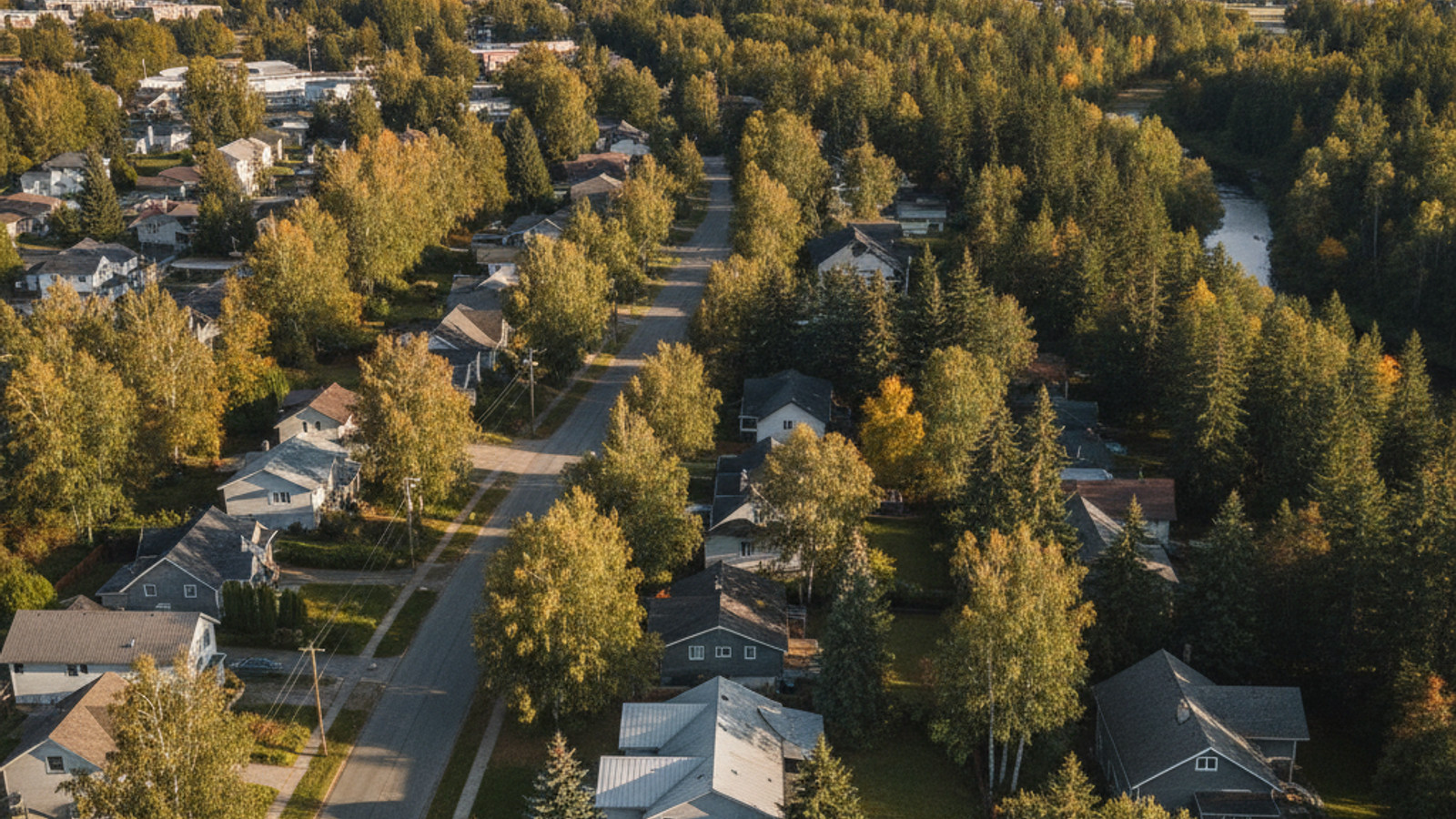
The median home sale price in Anchorage, AK is currently around $455,500. Homes are spending an average of just 9 days on the market, with roughly 345 listings available - so if you are among the first-time home buyers in Anchorage, AK right now, you're not operating at a leisurely pace.
Budgeting for a purchase means looking past the down payment. Closing costs are real, they're due the day you sign, and buyers who haven't planned for them sometimes find themselves scrambling. Knowing the numbers before you make an offer is how you avoid that.
Understanding Closing Costs in Alaska
Closing costs are the fees, taxes, and prepayments required to fund your loan and legally transfer the property title. They're due on closing day, paid by wire transfer or cashier's check.
Every transaction has two sides of costs. What you pay and what the seller pays depends partly on local custom and partly on what you negotiate in the purchase agreement - and in Alaska, those two things don't always look the same as they do in other states.
Closing Costs vs. Down Payment
Your down payment reduces your loan balance. Closing costs are something else entirely - administrative and legal expenses that sit on top of that down payment, not inside it.
Your lender will outline both figures in your Loan Estimate. Add your down payment to your closing costs, subtract any earnest money you've already paid, and that's your final cash to close.
Buyer vs. Seller Responsibilities
Buyers generally cover the costs tied to securing the mortgage, funding escrow accounts, and protecting the lender's interest. Sellers handle the costs of clearing title, paying agent commissions, and preparing the deed.
Alaska has regional customs around who pays for certain title and escrow services. None of it is mandated by law, which means it's all on the table during negotiation.
How Much Buyers Pay in the Anchorage Area
The numbers vary depending on the source and your loan type. Some national aggregators put buyer closing costs at 2% to 5% of the purchase price - roughly $15,500 on a typical Anchorage home. Other industry surveys suggest direct fees might run closer to 1% to 1.03%, which works out to around $3,581 before you factor in property tax and insurance prepaids.
Where you land depends on your lender and whether you buy discount points to lower your rate.
Average Percentages and Dollar Amounts
A practical target for Anchorage buyers is 2% to 4% of the purchase price. One detail worth keeping in mind: roughly 39.8% of Anchorage homes have been selling above list price, so run those percentages against your maximum offer, not just the asking price.
Sellers carry their own costs too. Excluding agent commissions, seller closing costs average around 2.68% to 2.7% of the sale price.
Why Anchorage Metro Costs Can Vary
Property taxes and homeowner's insurance rates affect your total because lenders require several months of both expenses upfront. Anchorage properties require specific insurance coverage, and those premiums feed directly into your initial escrow deposit.
Local municipality fees add another variable. Buying within the Anchorage Municipality means local tax rates that differ from what you'd pay on a property just outside the city limits.
Estimated Closing Costs by Home Purchase Price
The 2% to 4% range gives you a workable target when you're figuring out how much to have liquid. At $300,000, you're looking at roughly $6,000 to $12,000 in buyer closing fees.
Some costs are fixed regardless of the purchase price - your appraisal costs the same on a $300,000 house as it does on a $600,000 one. Percentage-based costs like origination fees scale up as the price climbs.
Sample Breakdown by Price Tier
At $400,000, budget between $8,000 and $16,000. At the current Anchorage median of around $455,500, that range becomes $9,100 to $18,200. A $500,000 purchase puts you at $10,000 to $20,000, and at $600,000 you should have $12,000 to $24,000 ready to go.
Calculating Your Out-of-Pocket Total
Once you apply for a mortgage, your lender is required to provide a Loan Estimate within three days. That document itemizes every fee and separates fixed costs from estimated prepaids.
Look at the "Cash to Close" line and compare it against what you actually have available. That's your real number.
Itemized Breakdown of Buyer Fees
The total is made up of dozens of individual line items, most of them falling into four buckets: loan origination, title and settlement, government taxes, and prepaid property expenses.
Knowing what each fee covers matters because some of them are negotiable or shoppable, and some are set by the government or your lender. You can't haggle on the municipal transfer tax. You can sometimes shop for a better rate on settlement services.
Loan and Lender Fees
The origination fee covers the lender's cost to process and underwrite your mortgage - typically 0.5% to 1% of the loan amount. You'll also pay for the home appraisal, which confirms value for the lender. Credit report fees, flood certification fees, and any discount points you choose to buy round out this category.
Title Insurance and Escrow Fees
In Alaska, the seller customarily pays for the owner's title insurance policy. You, as the buyer, pay for the lender's title insurance policy. Escrow and settlement fees are generally split between both sides.
The total escrow fee usually runs about 1% to 2% of the purchase price. The seller's portion of the split typically falls between $600 and $1,500, with the buyer covering the rest.
Anchorage Municipality Transfer Taxes
Alaska has no statewide real estate transfer tax. The Anchorage Municipality has its own, though - calculated at $2.00 per $1,000 of the sales price. On a $400,000 purchase, that's $800. You'll also pay recording fees averaging around $65 to file the new deed.
Prepaids and Escrow Reserves
Your lender requires you to fund an escrow account at closing so future property taxes and insurance premiums don't go unpaid. That means the first year of homeowner's insurance upfront, several months of property taxes deposited into reserve, and prepaid interest covering the days between your closing date and the start of your first full mortgage month.
Who Pays What at the Closing Table
The split between buyer and seller costs is a combination of local custom and what you negotiate in the contract. Lenders set some rules; everything else is up for discussion.
With Anchorage sitting at a 1.3-month supply of inventory and homes moving in 9 days, sellers aren't under much pressure to absorb extra costs. Buyers should plan to cover their customary share.
Customary Buyer and Seller Splits
On your side of the ledger: the appraisal, the lender's title policy, loan origination, your share of escrow fees, and the property tax and insurance escrow reserves.
Sellers customarily cover real estate agent commissions, the owner's title insurance policy, their half of the settlement fees, and clearing any existing liens on the property.
Seller Concessions and Credits
You can ask the seller to cover a portion of your closing costs - that's a seller concession, and it goes into the purchase offer. Lenders typically cap it at 3% to 6% of the purchase price depending on the loan program.
In a market where homes sell fast, asking for concessions can cost you the deal. Whether that trade-off makes sense depends on how badly you need the upfront relief versus how competitive you want your offer to look.
How to Estimate Your Cash to Close
An Alaska closing costs calculator lets you model scenarios before you're actually in contract. Plug in a target purchase price, your down payment percentage, and local tax rates, and you'll get a reasonable estimate to plan around.
Your lender will give you the accurate figures once you have a property under contract. Running your own numbers before that point helps you understand what you can actually afford.
Factoring in Cash Purchases
Cash buyers skip all the loan-related fees, which takes a meaningful chunk off the total. No origination fees, no appraisal requirement, no lender's title insurance.
You'll still owe your portion of settlement fees, the municipal transfer tax, and recording fees. You'll also need to prepay your own property taxes and insurance - you just won't be required to set up a lender-managed escrow account to do it.
Frequently Asked Questions
How much should I expect to pay out of pocket for buyer closing costs in Anchorage, AK?
It depends on your loan and the home's price. Buyers typically pay between 2% and 5% of the purchase price, which translates to roughly $9,100 to $18,200 for a median-priced $455,500 home. A portion goes toward lender fees; the rest funds your tax and insurance escrow accounts.
Does the Municipality of Anchorage charge a real estate transfer tax to buyers?
Yes. Alaska has no statewide transfer tax, but the Anchorage Municipality charges $2.00 per $1,000 of the sales price. On a $400,000 purchase, that local tax amounts to $800.
Are sellers currently willing to pay buyer closing costs in the Anchorage market?
It depends on the property and the negotiation. With inventory at a low 1.3 months of supply and homes selling in just 9 days, sellers don't have much pressure to offer concessions. That said, buyers can still request closing cost credits as part of their initial offer.
Can I roll my closing costs into my mortgage when buying a house in Alaska?
It depends on the loan program. Some mortgage types allow you to finance certain closing costs or take a higher interest rate in exchange for lender credits. Talk to your loan officer to find out what's available for your specific transaction.
How many months of Anchorage property taxes are typically collected upfront at closing?
It depends on when you close. Lenders typically collect several months of property taxes upfront to establish your escrow reserve. The exact number of months is set to ensure the account has enough funds when the next municipal tax bill comes due.

Annie Bjerkestrand
CEO, Listing Specialist, REALTOR® | Annie Bjerkestrand | RMG Real Estate
or another way