
Published June 18, 2026
Navigating Commute Times from Anchorage, AK: A 2026 Relocation Guide

Relocating to Alaska requires a clear understanding of the local geography, especially when calculating daily travel logistics. Evaluating commute times from Anchorage, AK is often the first step for homebuyers deciding whether to live near the city center or explore surrounding municipalities. The local highway system dictates everything about daily movement in this region.
Choosing the right location means weighing the convenience of a short drive against the appeal of larger properties outside the municipal core. Buyers quickly realize that distance on a map does not always translate directly to time spent behind the wheel. Understanding current traffic patterns and seasonal weather impacts is essential for making an informed real estate decision in 2026.
Average Commute Times from Anchorage to Surrounding Towns
The regional highway layout in Southcentral Alaska is relatively straightforward, functioning primarily through two main arteries. The Glenn Highway carries traffic north toward Eagle River and the Matanuska-Susitna Valley, while the Seward Highway routes drivers south toward the Kenai Peninsula. Because alternate routes are strictly limited, mastering your daily drive requires focusing on route planning rather than mere mileage.
Within the city limits, travel remains highly efficient compared to major metropolitan areas in the lower 48 states. Data from the American Community Survey indicates the mean travel time within Anchorage proper hovers around 19 minutes. However, those looking at satellite towns must account for significant variations based on the time of day and the specific highway corridor they choose.
Driving Distances to Eagle River and Chugiak
The Eagle River and Chugiak corridor remains a highly popular choice for buyers seeking suburban layouts with manageable drives. Understanding this specific route helps clarify daily expectations for those commuting into the city center.
-
A typical drive from central Eagle River to downtown Anchorage takes roughly 15 to 30 minutes under standard conditions.
-
Morning southbound traffic and afternoon northbound traffic flows heavily dictate the exact duration of the trip.
-
The journey covers a distance of roughly 12 to 15 miles via the Glenn Highway, making it a predictable daily route.
-
Military personnel stationed at JBER can expect a 10 to 25-minute drive, depending heavily on which base gate they use.
The Mat-Su Valley Commute: Palmer and Wasilla
Residents living in the Matanuska-Susitna Valley face a noticeably longer daily journey. Palmer and Wasilla are situated roughly 40 to 45 miles north of Anchorage, which shifts the daily commute from a quick hop into a significant time commitment. Buyers choosing this area are typically trading a longer drive for larger acreage and different property styles.
The baseline drive from the Mat-Su Valley to downtown Anchorage takes about 40 to 50 minutes during off-peak hours. During peak rush hour, this transit time frequently stretches to over an hour. While the borough's internal mean travel time is around 35 minutes, commuters heading into Anchorage must plan for the extended highway transit.
How Winter Weather Impacts the Glenn and Seward Highways
Winter weather fundamentally changes the reality of highway travel in Alaska. Snow, ice, and reduced daylight play a major role in calculating realistic commute times between October and April. The Glenn Highway serves as the absolute primary arterial for northern commutes, meaning any disruption affects thousands of drivers simultaneously.
When collisions occur or active plowing is underway, immediate bottlenecks form across all available lanes. Winter delays can easily double commute times during heavy snow events, turning a standard 30-minute drive into an hour-long ordeal. The most important takeaway for buyers is that owning a property further out requires an absolute commitment to flexible winter driving schedules.
Road Maintenance and Seasonal Delays
The state handles road maintenance with a strict priority system, tackling the major highways before clearing secondary residential streets. This means your neighborhood road might remain snow-packed long after the Glenn Highway is plowed. Equipping your vehicle with dedicated winter tires or an all-wheel-drive system is a basic necessity for maintaining a reliable commute.
Commuters must proactively adjust their morning routines during active winter storms. It is highly advisable to allow an extra 30 minutes to an hour of buffer time when heavy snowfall is forecast. Preparing for these seasonal delays ensures you reach your destination without unnecessary stress.
Public Transportation Options in the Anchorage Area
For those who prefer to leave the driving to someone else, the municipality offers non-driving alternatives for navigating the area. The People Mover system serves as the municipal transit backbone, connecting major residential hubs with commercial and medical districts. Utilizing public transit allows residents to avoid the stress of winter highway driving and downtown parking fees.
Recent schedule and route efficiency improvements have made the system more viable for daily commuters. However, it is important to note that Anchorage transit commute times can often be double those of single-occupancy vehicles. Buyers evaluating transit access should carefully map the walking distance from prospective homes to the nearest active bus stop.
The People Mover Bus System and Park-and-Ride Options
The network is designed to move passengers efficiently across the city's largest employment sectors. Several key routes and facilities cater specifically to those traveling from the outer edges of the municipality.
-
Route 92 provides a direct connection from the Eagle River area to the Downtown Transit Center.
-
Core trunk routes, such as Route 25, feature 15-minute peak frequencies to minimize wait times.
-
Route 85 actively connects South Anchorage residents to central transit hubs.
-
Designated park-and-ride locations in Eagle River and South Anchorage allow commuters to leave their vehicles outside the urban core.
Housing Costs and Property Types: Anchorage vs. Commuter Towns
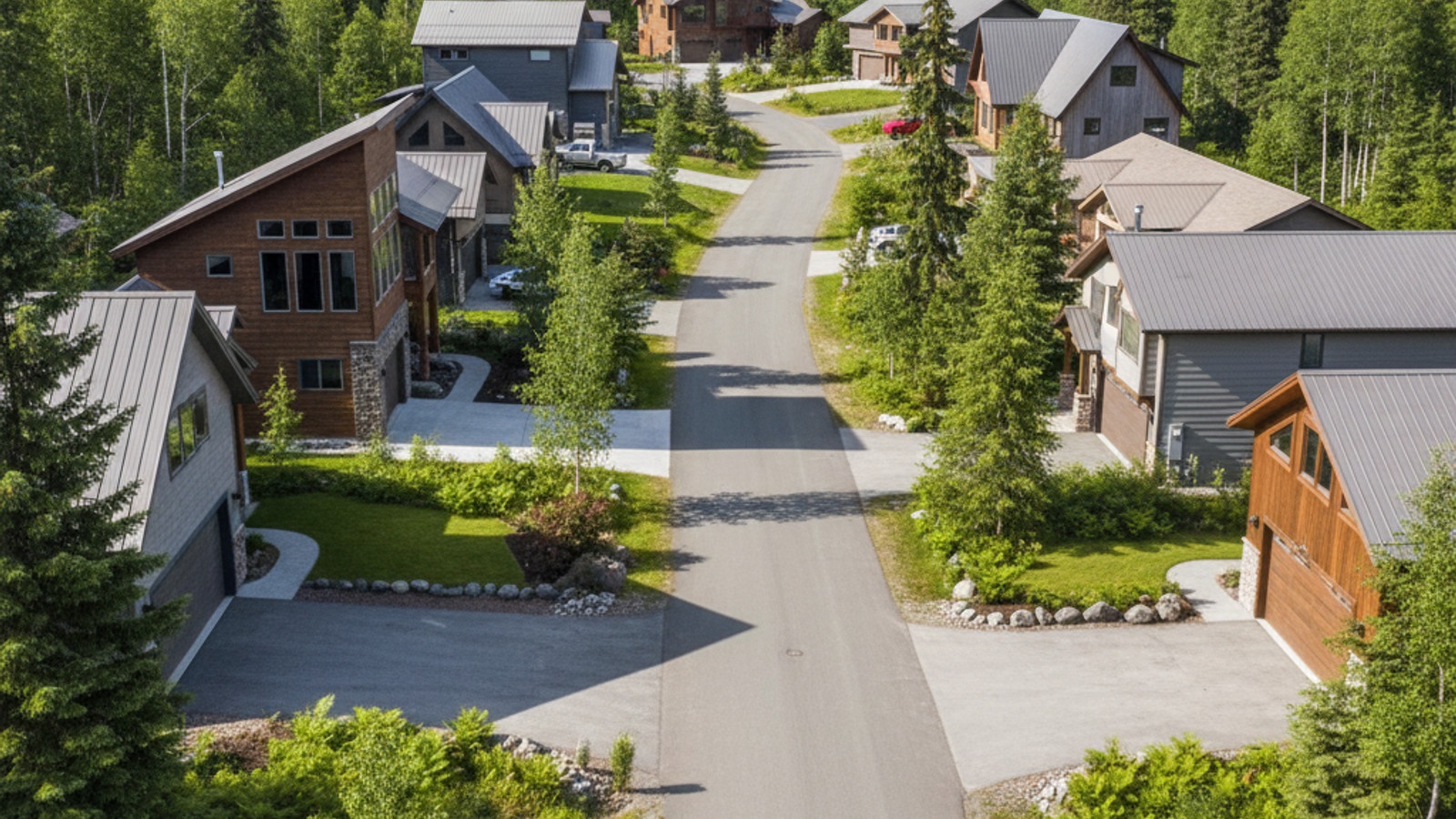
The real estate market in Southcentral Alaska offers distinct choices between the urban footprint of Anchorage and the lower-density layouts of surrounding towns. Anchorage provides a mix of single-family homes, townhouses, and condos situated close to major amenities. In contrast, Eagle River and the Mat-Su Valley predominantly feature larger lot sizes and more expansive floor plans.
Trading drive time for square footage is the ultimate calculation buyers must make in this market. In 2026, both Anchorage and Eagle River show median home prices sitting in the mid-to-high $400,000s, though specific values vary sharply by zip code. Understanding how location impacts both daily logistics and property features is crucial for a successful purchase.
Proximity to JBER and Providence Alaska Medical Center
Employment locations heavily influence where buyers choose to settle. Military personnel assigned to JBER often choose to live in Eagle River for quick, direct access via the Richardson or Boniface gates. This proximity allows for a 10 to 25-minute drive, bypassing the heavier downtown traffic entirely.
Medical professionals face a slightly different commute pattern. The drive from Eagle River to the Providence Alaska Medical Center and the UAA district typically takes 25 to 40 minutes. Buyers working in these central hubs must weigh this daily transit time against their desire for suburban property features.
Median Prices in Eagle River Compared to Anchorage Limits
Current real estate pricing shows striking similarities between the city proper and its closest northern suburb. Both areas feature median home prices hovering around the $470,000 mark in 2026. However, the type of property acquired at that price point differs significantly between the two locations.
Eagle River buyers frequently secure larger lot sizes and substantially more garage space for their investment. When evaluating these areas, buyers must also consider property tax implications and the high prevalence of HOA properties in suburban developments. These additional carrying costs factor directly into the overall monthly affordability of the home.
Frequently Asked Questions
Which cities in the US have the longest commute times, and how does Anchorage compare?
Major metropolitan areas like New York, Washington DC, and San Francisco consistently rank among the longest US commute times, often exceeding 40 minutes each way. Anchorage compares very favorably, with a mean travel time of roughly 19 minutes within the city limits. This efficiency allows residents to spend less time in traffic and more time enjoying the local environment.
What day trips can you take from Anchorage?
The central location of the city makes it an ideal launchpad for exploring Southcentral Alaska. Driving roughly two hours south on the Seward Highway brings you to the coastal community of Seward. Alternatively, heading north for about two hours provides access to Talkeetna, offering clear views of Denali on a sunny day.
What is it like to live in Anchorage, AK?
Living in the municipality offers a distinct blend of modern urban amenities and immediate access to expansive wilderness. The cost of living is generally higher than the national average, primarily due to transportation costs for imported goods. Residents balance these expenses with the benefit of having world-class outdoor recreation located just minutes from their front doors.