
Published June 18, 2026
Moving to Southcentral Alaska: Anchorage vs Palmer, AK in 2026

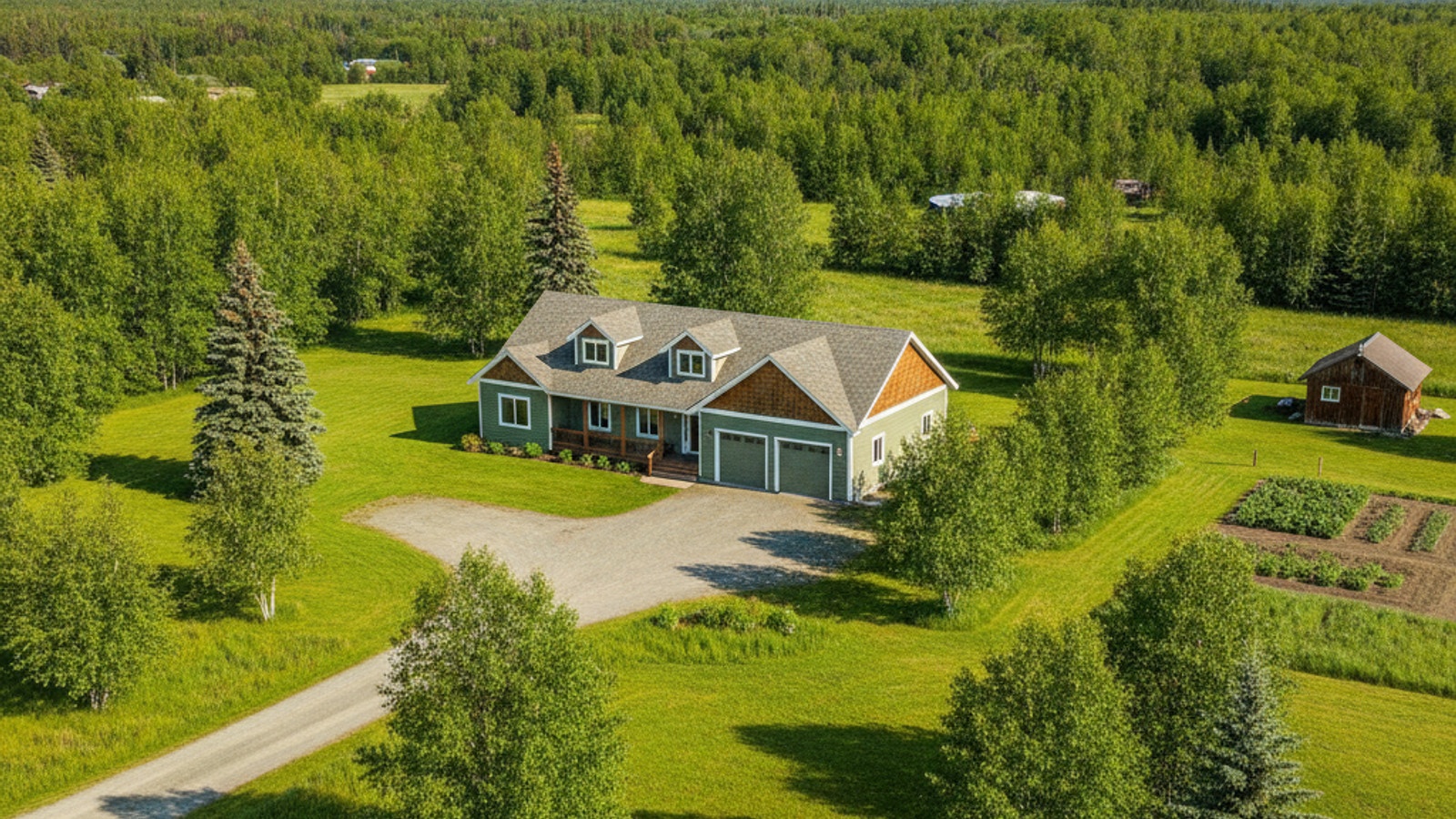
Relocating to Southcentral Alaska often comes down to a choice between the state's largest commercial hub and the rugged, open spaces of the Matanuska-Susitna Valley. Buyers weighing Anchorage vs Palmer AK must consider distinct differences in housing density, daily commute logistics, and property types. The decision ultimately hinges on whether you prioritize immediate access to urban infrastructure or the expansive lot sizes found in historic farming communities.
Entering the 2026 real estate market requires a clear understanding of how these two areas operate structurally and financially. While many tourists travel south toward Seward and the Kenai Peninsula for a summer fishing trip or glacier cruise, relocating residents frequently look north to the valley. Navigating this choice means looking beyond surface-level aesthetics to understand the daily realities of highway commuting and local neighborhood amenities.
Real Estate Market Comparison: Anchorage vs Palmer
The real estate landscape in Southcentral Alaska is heavily defined by geography and local borough boundaries. The Municipality of Anchorage is surrounded by mountains and water, which naturally limits suburban sprawl and drives up housing density. In contrast, Palmer sits within the expansive Matanuska-Susitna Borough, where land is more abundant and property tax structures differ significantly from the city center.
These structural differences mean buyers get vastly different property styles for their money depending on which side of the highway they choose. Anchorage buyers typically trade lot size for shorter commutes and immediate access to a commercial center. Meanwhile, those looking in Palmer or neighboring Wasilla often seek the breathing room of larger parcels, even if it means adjusting to a different municipal tax rate.
Anchorage Housing Trends and Property Types
The 2026 Anchorage median home price hovers approximately between $410,000 and $425,000, reflecting the intense demand for limited space. Because the city cannot easily expand its footprint, high-density housing options like condominiums and townhouses make up a significant portion of the available inventory. Single-family homes are certainly available, but they typically sit on much smaller lots compared to properties in the valley.
Buyers focusing on the Anchorage bowl should also prepare for the prevalence of homeowner association fees in these higher-density neighborhoods. These HOA dues cover shared maintenance in densely packed areas but add to the overall monthly carrying costs. The geographic constraints of the city mean new construction is rare, making existing, updated homes highly competitive.
Palmer Real Estate and Agricultural Zoning
Palmer offers a different housing reality, with 2026 median home prices ranging from roughly $380,000 to $437,000. The defining characteristic of this market is the availability of space, where lot sizes are frequently measured in acres rather than square feet. This abundance of land also means new construction is far more common here than in the Anchorage bowl.
The local market is heavily influenced by Palmer's deep agricultural roots and specific zoning regulations designed to preserve farming land. Buyers can find properties with ample room for outbuildings, gardens, or recreational vehicle storage. This rural zoning framework provides a level of property independence that is nearly impossible to secure within Anchorage city limits.
Transportation Logistics and the Glenn Highway Commute
Daily travel between the Mat-Su Valley and Anchorage relies entirely on the Glenn Highway, which serves as the sole major arterial road connection. Understanding this transportation corridor is crucial for anyone planning to live in Palmer while maintaining employment in the city. The highway dictates the daily schedule for thousands of valley commuters.
Living in Palmer but working in Anchorage requires a significant commitment to the road. Commuters must factor in fuel costs, vehicle maintenance, and the sheer amount of time spent behind the wheel each week. Because there are no alternate highway routes connecting the two areas, any disruption on the Glenn Highway immediately impacts travel plans.
Average Drive Times and Distance
The commute distance between downtown Anchorage and Palmer is approximately 43 miles. Under clear, dry road conditions, a normal drive time typically takes 45 to 50 minutes. This baseline travel time is manageable for many, offering a straightforward highway drive with scenic mountain views.
However, the logistical bottleneck of relying on a single highway cannot be overstated. If an accident or construction project blocks lanes, traffic can quickly come to a standstill. Commuters must also stay alert for wildlife, as a moose crossing the highway can suddenly halt traffic in both directions.
Winter Weather Impact on the Daily Commute
Winter weather drastically alters the reality of traveling along the Glenn Highway corridor. Ice, heavy snow, and extended winter darkness frequently slow traffic flow to a crawl. The combination of reduced visibility and slick pavement requires drivers to maintain lower speeds and increased following distances.
Accidents during these winter conditions frequently trap commuters on the highway for extended periods. Buyers planning to travel daily should expect winter commute times to frequently extend to 1.5 hours or more each way. Equipping a vehicle with premium winter tires and keeping emergency supplies in the trunk is a strict necessity for this route.
Local Infrastructure: Education and Healthcare
Evaluating public services is a major step when comparing living in the state's commercial center versus a smaller valley town. Anchorage serves as the primary hub for specialized infrastructure, government services, and acute medical care in the state. Palmer offers robust local services, but residents often rely on the city for highly specialized needs.
The scale of municipal infrastructure varies dramatically between the two locations. Anchorage provides a dense network of facilities designed to support a large urban population. The Mat-Su Borough operates across a much wider geographic area, meaning public facilities and services are more spread out.
Anchorage School District vs Matanuska-Susitna Borough School District
The Anchorage School District is the largest in the state, operating with highly centralized resources and a dense concentration of facilities. Students within the city limits typically have short travel distances to their respective campuses. The district's sheer scale allows for a wide variety of specialized academic and vocational facilities centralized within the urban bowl.
In contrast, the Matanuska-Susitna Borough School District serves the Palmer area across a vastly larger geographic spread. Schools in the valley are less densely packed, meaning bus routes and daily travel times for students are generally longer. The sprawling nature of the borough dictates a more decentralized approach to educational planning and infrastructure.
Healthcare Access and Major Medical Centers
Anchorage boasts a high concentration of major hospitals, specialized clinics, and advanced surgical centers. Providence Alaska Medical Center anchors the city's healthcare network, providing comprehensive trauma care and specialized treatments. Residents in the city benefit from immediate access to the widest variety of medical professionals in the state.
Palmer residents rely primarily on local clinics, urgent care centers, and the nearby Mat-Su Regional Medical Center for emergency and routine care. While this regional hospital handles most standard medical needs efficiently, its scope is smaller than the major urban centers. Valley residents frequently travel into Anchorage for highly specialized medical procedures or complex specialist consultations.
Local Amenities, Recreation, and Outdoor Access
The lifestyle differences between Anchorage and Palmer are most evident in their respective approaches to recreation and local amenities. Anchorage delivers a highly developed urban experience intertwined with accessible city parks. Palmer leans heavily into its agricultural history and provides immediate access to rugged, unpaved wilderness.
Deciding between the two locations often comes down to what type of Alaskan recreational adventure you prefer on a Tuesday evening. City dwellers might opt for a paved bike ride to a commercial dining district. Valley residents are more likely to spend their evenings hiking a mountain pass or booking a Matanuska Glacier tour.
Anchorage Retail Centers and Urban Trails
Anchorage provides the logistical conveniences expected of a major city, making daily life highly efficient. The urban center features a high concentration of major retail centers, commercial dining, and indoor entertainment venues. Residents also benefit from several key infrastructure and recreational highlights:
-
Ted Stevens Anchorage International Airport: Provides immediate, convenient access for frequent travelers and aviation professionals.
-
Tony Knowles Coastal Trail: Offers an extensive, paved trail system running directly through the city and along the water.
-
Commercial Retail Hubs: Delivers access to large-scale national retailers and specialized shopping centers unavailable elsewhere in the state.
This blend of commercial density and integrated city parks creates a highly walkable and bikeable urban environment. Residents can easily transition from a morning walk to an afternoon shopping trip without extensive driving.
Palmer Farm Markets, Parks, and Mountain Passes
Palmer highlights a distinctly different set of amenities, leaning heavily on its historical agricultural roots. The town is famous for its active local farm markets, where residents can purchase locally grown produce during the short summer growing season. The recreational focus here is less about paved city trails and more about immediate access to rugged terrain.
Outdoor enthusiasts in Palmer have incredible access to vast, uncrowded natural spaces right in their backyard. Key recreational highlights in the valley include:
-
Hatcher Pass: Provides extensive opportunities for hiking, exploring local mining history, and winter backcountry recreation.
-
Matanuska River Park: Offers immediate outdoor activities, camping, and trail access just outside the town center.
-
Denali Proximity: Serves as a convenient starting point for a flightseeing tour or a scenic drive north toward the national park.
Living in Palmer means embracing a lifestyle where the rivers and valleys dictate the weekend plans. The lack of heavy commercial development preserves the quiet, expansive feel of the area.
Frequently Asked Questions
How many hours does it take to drive from Anchorage to Palmer?
Driving from Anchorage to Palmer takes approximately 45 to 50 minutes under normal, dry highway conditions. This roughly 43-mile trip along the Glenn Highway can easily extend to 1.5 hours or more during severe winter weather. Commuters should always check local road reports before departing, as accidents can cause significant delays.
Is Palmer, Alaska worth visiting instead of staying in Anchorage?
Palmer is absolutely worth visiting if you prefer a quieter, agricultural setting with immediate access to rugged mountain terrain. While Anchorage offers major retail centers and paved coastal trails, Palmer provides unique experiences like exploring Hatcher Pass and visiting local farm markets. Travelers seeking a slower pace often find the 43-mile drive north to be a rewarding shift in scenery.