
Categories
Anchorage AKPublished August 14, 2026
Figuring Out How Much House You Can Afford in Anchorage, AK

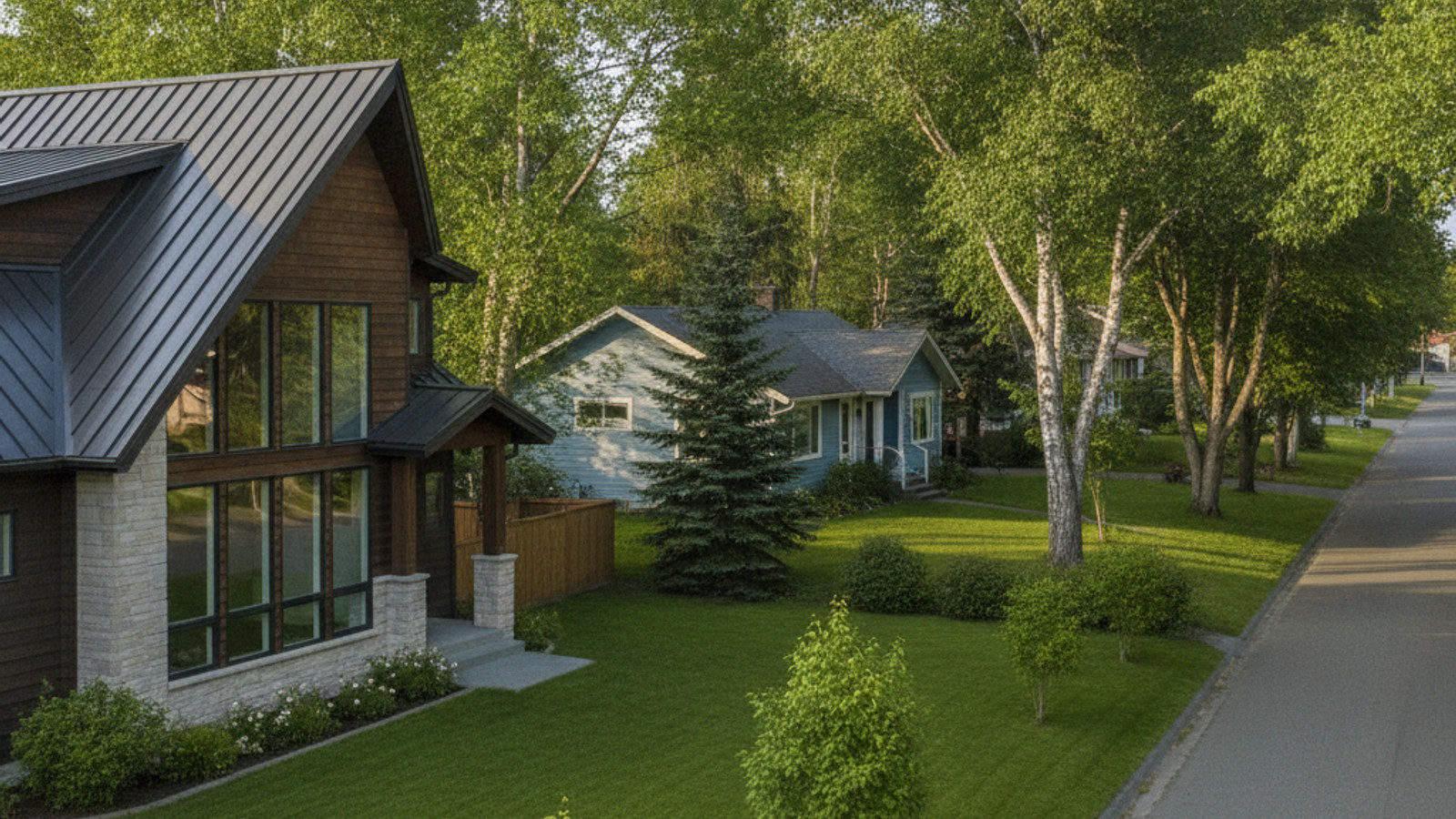
Anchorage's real estate market moves fast - available homes spend just about 9 days on the market before going under contract. The median sale price sits around $455,500 as of mid-2026, which means first-time home buyers in Anchorage, AK need a firm handle on their budget before touring properties, not after.
Figuring out how much house you can afford in Anchorage, AK comes down to more than the sticker price. You have to account for local property taxes, winter heating bills, and specific loan rules to get a true picture of what you're actually paying every month.
Figuring Out Your Anchorage Housing Budget
Lenders evaluate your financial profile using specific formulas to determine your maximum mortgage amount. They look at your gross monthly income and stack it against your recurring debts - then they decide how much house you can carry.
That calculation exists to make sure you have enough breathing room for your mortgage payment and still cover groceries, a car payment, and everything else life costs. Most underwriters rely on standard industry benchmarks to set your borrowing limit, and it pays to know those benchmarks before you walk into a lender's office.
How the 28/36 Rule Works
Mortgage lenders generally follow the 28/36 rule. The idea is simple: spend no more than 28% of your gross monthly income on housing costs, and no more than 36% on all debt combined.
Housing costs in that formula include your principal, interest, property taxes, and homeowners insurance. If you earn $10,000 a month before taxes, lenders want your total housing payment under $2,800. That ceiling comes faster than most buyers expect once you layer in Anchorage's local costs.
Figuring Out Your Debt-to-Income Ratio
Your Debt-to-Income Ratio - DTI - is the 36% side of that rule. Lenders add up your future mortgage payment, car loans, student loans, and minimum credit card payments, then divide the total by your gross income.
The standard benchmark is 36%, though some loan programs allow a higher DTI if you have excellent credit or a large down payment. Calculate your own DTI before you apply. You want to know where you stand before a lender tells you.
Local Costs That Shape Your Monthly Payment
Anchorage Municipality sets a property tax mill rate of 16.88 for the 2025-2026 fiscal year. That translates to an effective rate of roughly 1.29% to 1.32% of assessed value - among the highest in Alaska.
A median-priced home carries a tax bill that lenders fold directly into your monthly qualification number. These localized carrying costs matter because they chip away at the principal amount you can actually borrow.
Anchorage Municipality Property Taxes
On a home assessed at $375,900, the current mill rate produces an annual tax bill of about $4,865 - roughly $405 added to your monthly mortgage payment.
Lenders require you to hold those funds in escrow, so you're paying a portion of that annual bill every single month. Compared to buying in an area with lower rates, that tax burden is a real constraint on your purchasing power here.
Homeowners Insurance and HOA Fees
Alaska's file-and-use regulatory system keeps homeowners insurance well below the national average. In Anchorage, a policy with $300,000 in dwelling coverage and $100,000 in liability runs around $1,373 per year - about $114 a month added to your housing payment.
If you're buying a condo or a home in a planned community, HOA dues go into your DTI calculation too. That's not optional math.
Down Payment Options and Local Assistance
With a median sale price around $455,500, a standard 20% down payment means coming to the table with over $91,000 in cash. Most buyers aren't doing that - and they don't have to.
Various loan programs and local grants let you purchase with a much smaller upfront investment. The right financing path depends on your savings and what you want your monthly payment to look like long-term.
FHA and Conventional Loan Minimums
FHA loans allow you to purchase with as little as 3.5% down. Conventional loans often require 3% to 5%, depending on your lender and credit profile.
Put down less than 20% on either, and lenders require Private Mortgage Insurance - PMI. It protects the lender if you default, and the premium gets added straight to your monthly housing payment. It's not permanent, but it's real money until you build enough equity to drop it.
Alaska Housing Finance Corporation (AHFC) Programs
The Alaska Housing Finance Corporation runs several programs worth knowing about. The Affordable Housing Enhanced Loan Program - AHELP - provides secondary financing through partners like the Cook Inlet Lending Center.
Low-income buyers can also look at the Home Opportunity Program (HOP), which helps cover both down payment and closing costs. AHFC also runs Tax-Exempt and Taxable First-Time Homebuyer Programs to reduce the upfront financial burden for new buyers.
Everyday Costs of Owning an Anchorage Home
Anchorage homes are currently selling for roughly 100.6% of list price. That means buyers often need extra cash to cover appraisal gaps or closing costs on top of everything else. The purchase price is just the starting line.
Ongoing maintenance and utility bills shift significantly depending on the season and the specific property you're buying. Getting a realistic picture of these everyday expenses is what keeps you from becoming house-poor six months after you move in.
Preparing for Closing Costs
Closing costs typically run 2% to 5% of the total loan amount, covering your appraisal, title insurance, loan origination, and upfront escrow deposits for taxes and insurance.
On a $455,500 home, that's anywhere from $9,000 to over $22,000 due at the closing table - on top of your down payment. Both numbers need to be sitting in your account before you close.
Winter Heating and Monthly Utilities
Natural gas from Cook Inlet keeps Southcentral Alaska's heating costs relatively low compared to the rest of the state. Still, typical Anchorage homes run between $150 and $350 per month on heating through winter - roughly $1,200 to $2,800 annually, depending on the home's size and insulation.
Overall monthly utility costs, including heating, electricity, and gas, average around $340 for a standard household. Lenders don't include that in your DTI, but your bank account will.
Common Questions About Anchorage Home Affordability
What income do I need to afford a median-priced home in Anchorage right now?
It depends on your down payment and current debt levels. With a median price of $455,500, average property taxes, and a moderate down payment, a buyer typically needs a gross household income well over $100,000 to keep their DTI within the standard 36% limit.
How do Anchorage property taxes and earthquake insurance impact my maximum purchase price?
They reduce it. Anchorage Municipality's 1.29% to 1.32% effective tax rate adds hundreds of dollars to your monthly payment, which leaves less room in your 28/36 ratio for the actual mortgage principal.
Can Alaska Housing Finance Corporation (AHFC) loan programs help me qualify for a more expensive home?
Yes. By using AHFC programs like AHELP or HOP to cover your down payment and closing costs, you can preserve your cash to pay off other debts - which lowers your DTI and increases your borrowing power.
Will high HOA dues for snow removal in Anchorage condos reduce my mortgage pre-approval amount?
Yes. Lenders must include all HOA dues in your 28/36 calculation, so higher monthly fees for snow removal directly lower the amount you can borrow for the property itself.
Can I afford a bigger house if I buy in Eagle River or the Mat-Su Valley instead of the Anchorage Bowl?
It depends on the specific home prices and property taxes in those areas. The data here focuses on the Anchorage Municipality, where the median home price is $455,500 and the mill rate is 16.88 - you'd need to compare that against current listings and tax rates outside the Anchorage Bowl to know for certain.
Should I factor Anchorage's high winter heating bills into my overall housing affordability calculator?
Yes. Lenders don't include the $150 to $350 monthly winter heating costs in your DTI ratio, but you should budget for that $1,200 to $2,800 annual expense to make sure you can comfortably carry the home year-round - not just on paper.

Annie Bjerkestrand
CEO, Listing Specialist, REALTOR® | Annie Bjerkestrand | RMG Real Estate
or another way