
Categories
Anchorage AKPublished July 20, 2026
Market Outlook for Investing in Anchorage, AK Real Estate

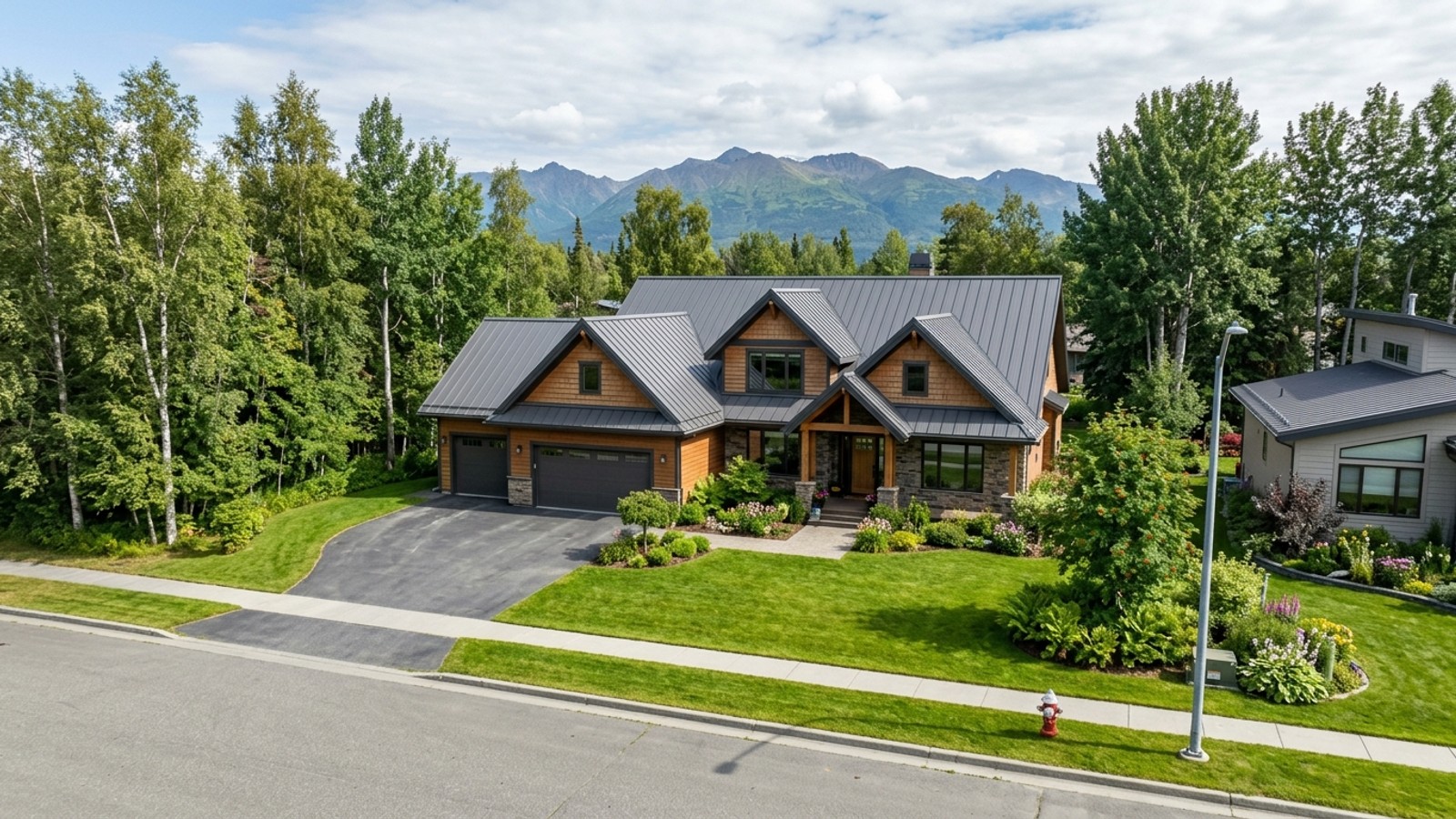
The median home price in Anchorage, AK currently sits around $455,500, with homes spending a median of just 9 days on the market. These tight inventory conditions reflect a persistent demand for housing in Alaska's largest economic hub. Investors evaluating the Anchorage, AK housing market face a landscape defined by low supply, steady appreciation, and high rental demand.
Analyzing the local data reveals opportunities across multiple investment avenues, from traditional long-term rentals to specialized month-to-month housing. With only 1.3 months of available supply, buyers need to understand exact neighborhood metrics and local regulations to find profitable deals. This guide covers the current data, strategies, and areas to target when building a real estate portfolio in Anchorage.
The Current State of the Anchorage Market
Anchorage currently holds about 345 active listings, representing a severely constrained housing supply. A balanced market typically features four to six months of inventory, but Anchorage is operating with just 1.3 months of supply. This shortage places upward pressure on pricing and keeps the environment favorable for sellers.
Nearly 40% of homes in the city are selling above their list price. The average sale-to-list ratio is 100.6%, meaning buyers routinely pay full asking price or slightly more to secure a property. Investors looking for deep discounts on the MLS will find limited options, making off-market sourcing and rapid decision-making necessary.
Price Trends and Inventory Levels
The median sale price of $455,500 represents a roughly 3.5% year-over-year increase. This steady appreciation trend shows that property values are holding firm despite broader national economic shifts. Investors relying on long-term appreciation can model moderate, consistent growth for Anchorage properties.
The fast pace of sales, with a median of 9 days on market, requires buyers to have financing fully arranged before touring homes. Properties priced under the median move even faster, as they appeal to both first-time homebuyers and local investors. You should expect multiple-offer situations on well-maintained duplexes and entry-level single-family homes.
Rent Averages and Tenant Demand
Anchorage serves as the state's medical, transportation, and commercial center, creating a steady influx of residents needing housing. The Joint Base Elmendorf-Richardson (JBER) also provides a continuous rotation of military personnel seeking off-base accommodations. This diverse economic base supports strong tenant demand year-round.
Average rents for a standard two-bedroom apartment hover around $1,500 to $1,800 per month, depending on the neighborhood and amenities. Single-family homes and larger townhouses command much higher rates, often exceeding $2,500 monthly. Investors should analyze the rent-to-price ratio on individual listings to ensure the projected income covers the relatively high property taxes and winter maintenance costs.
Investment Strategies for Anchorage Properties
Anchorage supports multiple real estate investment models, from standard yearly leases to nightly vacation stays. Investors must account for specific regional costs, such as snow removal and elevated heating bills, when projecting cash flow.
Successful local portfolios often combine different property types to balance cash flow and equity growth. A mix of multi-family buildings and single-family rentals can insulate an investor against neighborhood-specific downturns. The low inventory means you should remain open to different strategies based on what hits the market.
Buy-and-Hold Long-Term Rentals
The buy-and-hold strategy remains a reliable way to build wealth in Anchorage. By securing a property and placing long-term tenants, investors benefit from steady rental income and gradual mortgage paydown. The ongoing housing shortage ensures that well-managed units rarely sit vacant for long.
Multi-family properties, such as duplexes and fourplexes, are particularly popular for this approach. These buildings often provide better cash flow margins than single-family homes, though they require more intensive tenant management. Buyers should verify the condition of major systems like boilers and roofs, as replacements in Alaska carry premium labor and material costs.
House Flipping and Renovation Margins
Flipping houses in Anchorage requires accurate estimates for material delivery and specialized labor. Because many construction materials are shipped up from the lower 48 states, supply chain delays can extend project timelines. Investors use the 70% rule to evaluate these deals, aiming to pay no more than 70% of the after-repair value minus estimated repair costs.
Winter weather also impacts renovation schedules, particularly for exterior work like roofing, painting, and foundation repairs. Flippers often focus on interior cosmetic updates during the colder months to keep projects moving. Accurate holding cost calculations are necessary to ensure the flip remains profitable through the winter.
Standard Rules of Thumb for Evaluation
Investors often reference the 1% and 2% rules to quickly screen rental properties. The 1% rule suggests a property should rent for at least 1% of its purchase price monthly, a metric that is increasingly difficult to hit in Anchorage without substantial down payments. The 2% rule is nearly impossible to achieve with on-market residential listings here, though some commercial or wholesale deals may approach it.
The 3-3-3 rule is another framework used to assess tenant stability, requiring applicants to have three times the rent in gross income, three months of employment history, and three positive references. Meanwhile, the 7% rule relates to overall market returns, assuming a baseline 7% annualized return on real estate investments over the long haul. You should use these rules as initial filters rather than absolute guarantees.
Short-Term and Month-to-Month Rentals
Tourism and seasonal employment drive a robust market for non-traditional rental terms in Alaska. Anchorage sees a massive influx of visitors during the summer months, alongside temporary workers supporting the fishing, oil, and healthcare industries. This creates opportunities for investors willing to manage higher tenant turnover.
Operating these units requires compliance with local laws and a larger initial capital outlay for furnishings. The revenue potential often exceeds that of long-term rentals, but the operating expenses and management hours scale up accordingly.
Anchorage Municipality Short-Term Rental Rules
The Anchorage Municipality enforces specific regulations regarding short-term rentals to manage neighborhood impacts. Operators must register their properties, obtain the necessary business licenses, and collect and remit room taxes. These requirements apply to any unit rented for fewer than 30 consecutive days.
Investors should verify zoning laws before purchasing a property intended for Airbnb or VRBO use. Some residential zones or homeowner associations restrict or completely ban short-term rental operations. Failing to confirm these rules can leave an investor with a furnished property that cannot legally operate as planned.
Furnished and Mid-Term Rental Opportunities
Month-to-month and mid-term rentals offer a middle ground between nightly stays and annual leases. Anchorage hosts a steady stream of travel nurses, corporate contractors, and seasonal workers who need fully furnished housing for one to six months. These tenants typically pay a premium over standard long-term rates but cause less wear and tear than nightly guests.
Properties located near major medical centers, such as Providence Alaska Medical Center or Alaska Regional Hospital, are ideal for this strategy. Investors evaluate these properties using the 75/55 rule, which estimates that a short-term or mid-term rental needs about 75% occupancy to achieve 55% higher revenue than a long-term lease. This buffer helps account for the increased vacancy periods between placements.
Target Areas for Investment Properties
Anchorage encompasses a wide geographic area, stretching from dense urban commercial districts to large residential lots on the hillside. Investors need to align their property search with their specific rental strategy.
Proximity to major employment hubs, transit routes, and commercial centers generally supports higher occupancy rates. Analyzing neighborhood-level data helps buyers identify where the rent-to-price ratios make the most financial sense.
Evaluating Midtown, Spenard, and South Addition
Midtown offers a dense concentration of commercial buildings, retail centers, and multi-family housing. Its central location makes it popular with renters who want short commute times to various parts of the city. Spenard, located just west of Midtown, features a mix of older single-family homes and smaller apartment buildings, providing opportunities for value-add renovations.
South Addition sits close to downtown and the coastal trail, featuring historic homes and higher property values. This area attracts tenants willing to pay premium rents for walkability and neighborhood amenities. Investors targeting South Addition usually prioritize long-term equity growth over immediate cash flow due to the higher entry prices.
Sourcing Commercial and Residential Inventory
Finding investment properties for sale in Anchorage requires monitoring both the local MLS and commercial listing platforms. Residential duplexes and fourplexes appear on standard consumer portals, but larger multi-family buildings and commercial real estate often trade through specialized commercial brokers.
Wholesale real estate networks and local off-market campaigns can help investors find distressed properties before they hit the open market. Building relationships with local wholesalers and probate attorneys provides access to inventory that avoids the competitive bidding wars typical of the current 9-day median market pace.
Steps to Launch Your Investment Search
Out-of-state and local buyers alike rely on specialized Alaskan contractors and lenders to close deals. The unique logistics of Alaskan real estate mean investors cannot rely solely on national vendors to estimate repair costs or manage snow removal.
Buyers should have their financing structures fully approved before submitting offers. In a market with 1.3 months of supply, sellers rarely entertain bids from buyers who still need to verify their funding.
Financing and Property Valuation Factors
Investors use a mix of conventional mortgages, commercial loans, and private hard money to fund acquisitions. Conventional investment loans typically require 20% to 25% down, while commercial loans evaluate the property's debt service coverage ratio (DSCR) rather than the buyer's personal income. Hard money is often used for short-term flips to cover purchase and renovation costs.
Several factors can severely devalue a house in Anchorage, particularly deferred maintenance on weather-facing systems. Failing roofs, cracked foundations from frost heave, and outdated, inefficient boilers will trigger massive repair estimates during inspections. Buyers should factor these potential capital expenditures into their initial offer price.
Local Investor Groups and Resources
Networking with established professionals accelerates the learning curve for new buyers. Anchorage hosts several real estate investment associations and meetup groups where locals discuss current market conditions and share contractor recommendations. Organizations like NeighborWorks Alaska also provide resources and education for community development and housing initiatives.
Attending real estate investing classes in Anchorage helps buyers understand the specific legal and physical challenges of the market. Partnering with a local broker who specializes in investment properties ensures you receive accurate rental projections and zoning information before closing a deal.
Frequently Asked Questions (FAQ)
Where are the best neighborhoods in Anchorage for buying rental properties?
It depends on your strategy. Midtown and Spenard offer strong cash flow potential due to lower entry prices and high multi-family density. South Addition and Turnagain require higher down payments but historically provide stronger long-term appreciation and attract premium-paying tenants.
Is it more profitable to run a short-term Airbnb or a long-term rental in Anchorage, AK?
Short-term rentals generally generate higher gross revenue, especially during the peak summer tourist season from May to September. However, long-term rentals provide more stable year-round income and avoid the 12% Anchorage room tax and high seasonal vacancy rates of the winter months.
How does the JBER military base impact the Anchorage rental market and tenant turnover?
JBER provides a massive, stable pool of renters who receive reliable Basic Allowance for Housing (BAH) stipends. This demographic creates steady demand for single-family homes and townhouses in East Anchorage and Eagle River, though investors should expect turnover every two to three years as personnel receive permanent change of station (PCS) orders.
What hidden costs should investors expect with property taxes and winter maintenance in Anchorage?
Investors must budget for heavy seasonal expenses that lower-48 markets do not experience. Professional snow plowing contracts often cost between $300 and $600 per month during the winter, and Anchorage's property tax rate sits at roughly 1.6% of assessed value, which bites into net operating income.
What specific winterization or foundation issues should I look for during an Anchorage investment property inspection?
Always check for frost heave damage, which can crack foundations and misalign doors. You also need to verify the age and efficiency of the boiler system; replacing a standard residential boiler in Alaska easily exceeds $10,000 due to high labor and shipping costs.
Does the extreme Alaskan winter affect the timeline for closing and renovating investment properties in Anchorage?
Yes, winter weather significantly delays exterior renovations and can complicate inspections. Roof replacements and exterior painting are generally halted from October through April, meaning buyers closing in November must hold the property through the winter before completing outside work.

Annie Bjerkestrand
CEO, Listing Specialist, REALTOR® | Annie Bjerkestrand | RMG Real Estate
or another way