
Categories
Anchorage AKPublished August 14, 2026
What to Know About Retirement Communities in Anchorage, AK

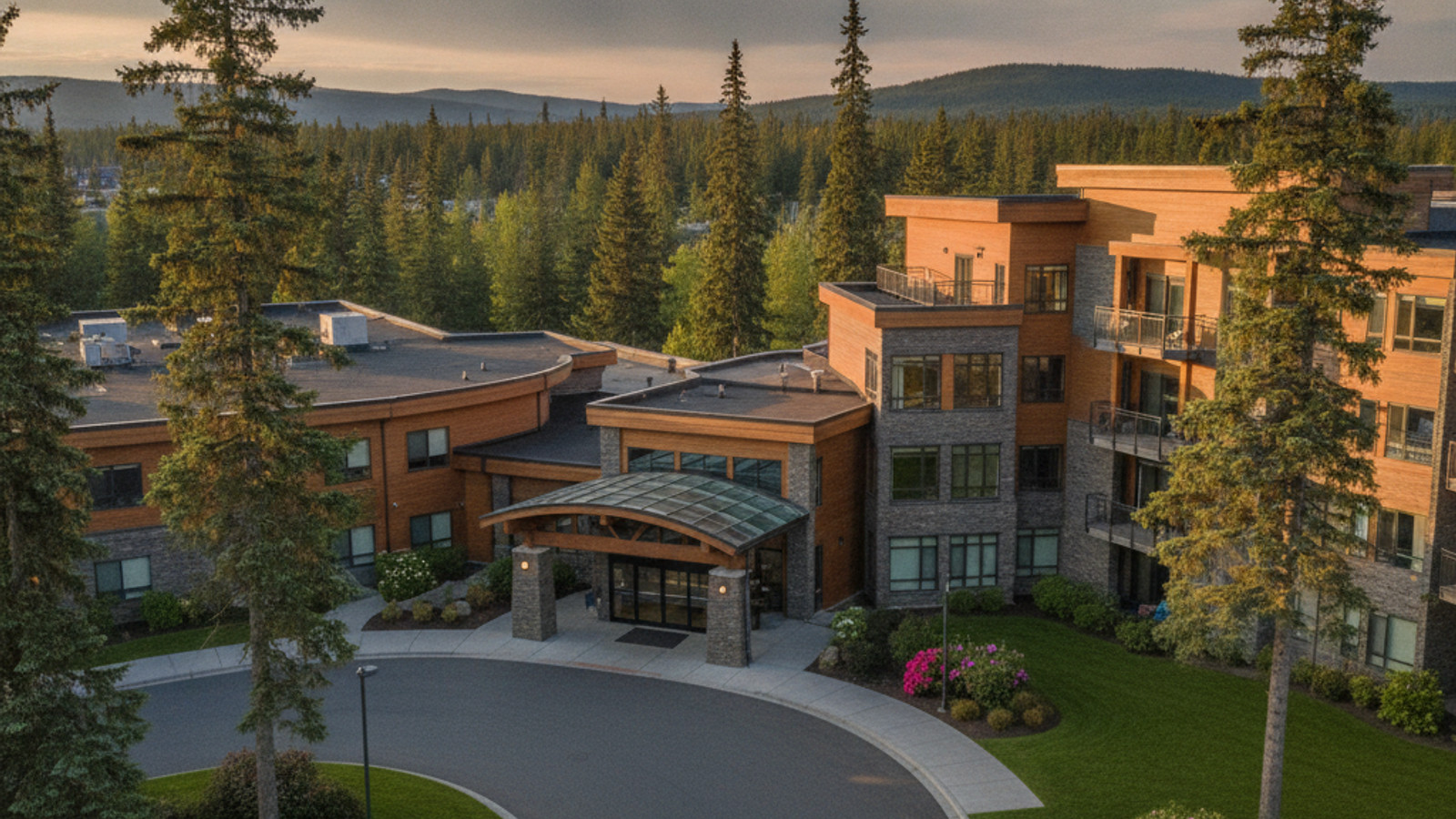
The median home sale price in Anchorage, AK sits around $455,500, and properties are spending just 9 days on the market. If you're thinking about downsizing or moving into a 55+ community while living in Anchorage, that pace matters - you don't have the luxury of a leisurely search.
Anchorage has roughly 18 to 24 senior living listings scattered across the municipality. Depending on what you need, you can find options ranging from independent living near Homesite Park to income-restricted senior apartments in the Muldoon Road area.
Exploring 55+ and Senior Living in Anchorage
The Anchorage housing market is tight - about 1.3 months of supply as of mid-2026. Older adults who want to stay in Alaska are generally choosing between age-restricted neighborhoods, independent living facilities, and continuing care retirement communities (CCRCs). The distinctions matter, because each type delivers a different mix of independence, medical support, and maintenance responsibility.
Types of Senior Housing Available
Active adult 55+ communities are typically single-family homes, condos, or townhomes where you handle your own meals and personal care. Independent living facilities offer private apartments but fold meals, housekeeping, and transportation into the monthly rent - which is a different financial equation than it might first appear.
Assisted living and CCRCs add medical support and daily care services. A CCRC specifically allows you to move from an independent apartment into assisted living or memory care within the same campus as your health needs change - no uprooting, no searching for a new facility under pressure.
Understanding the 80/20 Age Rule
The federal Housing for Older Persons Act (HOPA) sets the rules for who can legally live in an age-restricted neighborhood. To qualify as a 55+ community, at least 80% of occupied units must have at least one resident who is 55 or older.
That remaining 20% can technically house younger residents. Individual homeowner associations (HOAs) can enforce stricter age minimums on top of the federal floor, so if you're buying with a younger spouse or an adult child in the picture, read the specific bylaws of any Anchorage community before you make an offer. Don't assume.
Where to Find Senior Living in Anchorage
Most of the 18 to 24 senior living facilities in Anchorage are concentrated in established residential neighborhoods. Independent living properties are clustered around Homesite Park, Alyeska, and DeBarr Vista. Additional 55+ apartments and care facilities operate near Muldoon Road, along Cambridge Way in the 99503 zip code, and on Jamestown Drive in 99507.
Whether you want to buy or rent is the first question worth answering, because it largely determines which of these areas makes sense for your search.
Luxury and Market-Rate Options
High-end independent living in Anchorage typically offers restaurant-style dining, fitness centers, and scheduled outings - and these facilities generally run on a rental model rather than selling units outright. If you're looking to purchase a dedicated 55+ home on the higher end, your options are limited. Most older buyers targeting that profile end up looking at single-level condos and townhomes in standard residential areas that offer maintenance-free exteriors.
Affordable and Income-Restricted Housing
Anchorage has several low-income senior housing options subsidized by federal programs. The Department of Housing and Urban Development (HUD) caps the 50% "Very Low Income" limit at $45,150 for a single person in the Anchorage metro area. The 80% "Low Income" limit for an individual sits at $72,250. If you fall within those thresholds, you can apply for reduced-rent senior apartments - but waitlists for these buildings are common, so the sooner you apply, the better.
Buying Versus Renting
Buying in a 55+ community builds equity and fixes your housing costs, minus property taxes and HOA dues. In a market where roughly 40% of homes sell above list price, that means coming in prepared with a strong offer.
Renting an independent living apartment gives you flexibility and no maintenance headaches. It also makes it easier to spend winters somewhere warmer without the weight of an owned property sitting empty.
Expected Costs for Anchorage Retirement Communities
Costs vary considerably depending on how much care and how many amenities are bundled in. A retiree with a $2,800 monthly Social Security check plus portfolio income typically needs about $55,500 a year before taxes to live comfortably in Anchorage. General apartment rents run $1,250 to $1,800 a month depending on bedroom count - but the moment you add senior care and meals, that number climbs fast.
Monthly Rent and Independent Living Costs
The average rent for independent living in Anchorage is approximately $5,533 per month. That figure generally covers a private apartment, utilities, most meals, and weekly housekeeping. If you only need a standard 55+ apartment without food or care services, you're looking at lower rates - a standard one-bedroom in the city averages between $1,300 and $1,500 a month.
Homeowner Association Fees and Entrance Costs
If you're buying in an age-restricted neighborhood, you'll pay monthly HOA dues for common area maintenance. Anchorage-specific averages aren't tracked, but national HOA fees for 55+ communities run from $230 to $280 a month for basic amenities and up to $800 for resort-style properties.
CCRCs add another layer: a large upfront entrance fee on top of monthly rent. That fee secures your access to future assisted living and nursing care, and a portion of it may be refundable to your estate. It's a significant financial commitment, so read the contract carefully.
Medicare and Financial Assistance
Medicare does not pay for long-term room and board in assisted living or independent living facilities. It covers approved medical services, short-term rehabilitation, and specific home health care visits - nothing more.
Low-income seniors who can't cover out-of-pocket care costs may qualify for Medicaid waiver programs in Alaska. Those waivers can help pay for care services provided within an assisted living facility, though you're still on the hook for the room and board portion.
Retiring in Anchorage: Lifestyle and Practicalities
Anchorage offers a retirement lifestyle built around outdoor recreation and a genuinely close-knit community. That said, the financial realities of living in Alaska require honest planning before you commit to a move.
The overall cost of living here runs 22% to 32% higher than the national average. Groceries, utilities, and healthcare all carry a premium because of the state's remote location - that's not a small variable in a retirement budget.
Cost of Living for Retirees
Retirement-specific monthly costs in Anchorage average around $2,846, covering basic housing, food, transportation, and standard utilities. Healthcare deserves its own line item in your budget. High medical costs and limited specialist availability mean many older Alaskans end up spending more on travel for medical procedures than they would in the lower 48 states.
Healthcare Access and Local Amenities
Anchorage functions as the primary medical hub for the entire state - the largest hospitals and specialist clinics are here. If you're in an independent living facility in the city, that proximity is a real advantage.
Winter is another practical matter. From October through April, daily mobility is a genuine concern. If you're buying or renting independently rather than in a facility, prioritize housing near major plowed roads like Muldoon Road, or look for facilities that provide dedicated winter transportation.
Weighing the Pros and Cons of 55+ Communities
Moving into an age-restricted neighborhood or independent living facility changes both your daily routine and your financial obligations. The convenience is real, but so are the restrictions - and understanding both sides keeps you from making a decision you'll reconsider in year two.
Benefits of Age-Restricted Neighborhoods
These communities offer a quieter environment with neighbors at a similar stage of life, and the properties themselves are typically built for it - single-story layouts, wider doorways, accessible bathrooms. For Alaskans who've spent decades maintaining a house and yard, handing snow removal, lawn care, and exterior repairs to an HOA or facility manager is a meaningful quality-of-life shift.
Common Drawbacks to Consider
Strict age requirements mean adult children or younger family members can't move in if their circumstances change. Some communities also cap how many days grandchildren can visit each year.
HOA dues and facility rents go up over time - that's not speculation, it's standard practice. If you're on a fixed income, build those annual increases into your long-term affordability math before you sign anything.
Touring and Selecting Your Next Home
With roughly 271 homes sold across the broader Anchorage market in a recent month, this is not a market where you can afford to tour slowly and decide later. Visiting multiple properties - and doing it early - is how you avoid settling.
Facilities in areas like Alyeska or DeBarr Vista each have their own culture and resident demographics. No amount of online research substitutes for walking through the door and getting a feel for the place.
What to Ask During a Tour
At an independent living or assisted living facility, ask for a printed schedule of weekly activities and a sample dining menu. Then ask how often monthly rates have increased over the past five years. The answer to that second question tells you more than the brochure will.
For a 55+ condo or townhome, ask the HOA board about the reserve fund and any upcoming special assessments. Get clarity on exactly which exterior maintenance tasks the association covers and which fall to you.
Reviewing and Vetting Properties
Check state licensing records for any assisted living facility you're seriously considering. Alaska's Department of Health maintains inspection reports that document past violations or complaints - worth an hour of your time before you sign a lease.
Talk directly with current residents during your visit. Their take on the management team, the food, and the day-to-day culture will fill in gaps that no marketing brochure ever will.
Frequently Asked Questions (FAQ)
What are the average monthly costs and HOA fees for retirement communities in Anchorage, AK?
It depends on the property type. Independent living facilities in Anchorage average about $5,533 per month, while standard apartment rentals run $1,250 to $1,800. Specific HOA fee data for Anchorage 55+ communities isn't tracked, but national averages range from $230 to $280 monthly for basic amenities.
Can I buy a home in an Anchorage 55+ community if my spouse is younger than 55?
Yes, in most cases. The 80/20 rule requires that 80% of units have at least one resident who is 55 or older, meaning a younger spouse can typically live there. Individual HOAs can enforce stricter rules, so read the specific community bylaws before you buy.
Do Anchorage retirement neighborhoods typically include snow removal and winter maintenance in their HOA dues?
Yes, most age-restricted communities and independent living facilities in Anchorage cover snow removal and exterior maintenance. For retirees who don't want to deal with Alaskan winters physically, that's one of the primary reasons to choose this type of housing.
How far in advance should I get on a waitlist for independent senior living in the Anchorage area?
It depends on the facility and the neighborhood. With only 18 to 24 senior living listings in the Anchorage area, high-demand properties near Homesite Park or Alyeska can have waitlists lasting several months to over a year.
What is the difference between active adult 55+ neighborhoods and assisted living facilities in Alaska?
Active adult 55+ neighborhoods are standard residential communities with age restrictions where residents live independently and handle their own care. Assisted living facilities provide housing along with daily medical support, meal services, and personal care assistance.
What happens if my health needs change while living in an independent retirement community in Anchorage?
It depends on the facility type. If you're in a Continuing Care Retirement Community (CCRC), you can transition into an on-site assisted living or memory care wing. If you're in a standard 55+ condo or apartment, you'll need to hire in-home care or move to a licensed assisted living facility.

Annie Bjerkestrand
CEO, Listing Specialist, REALTOR® | Annie Bjerkestrand | RMG Real Estate
or another way