
Published June 18, 2026
Moving to Anchorage, AK: What Buyers Need to Know in 2026

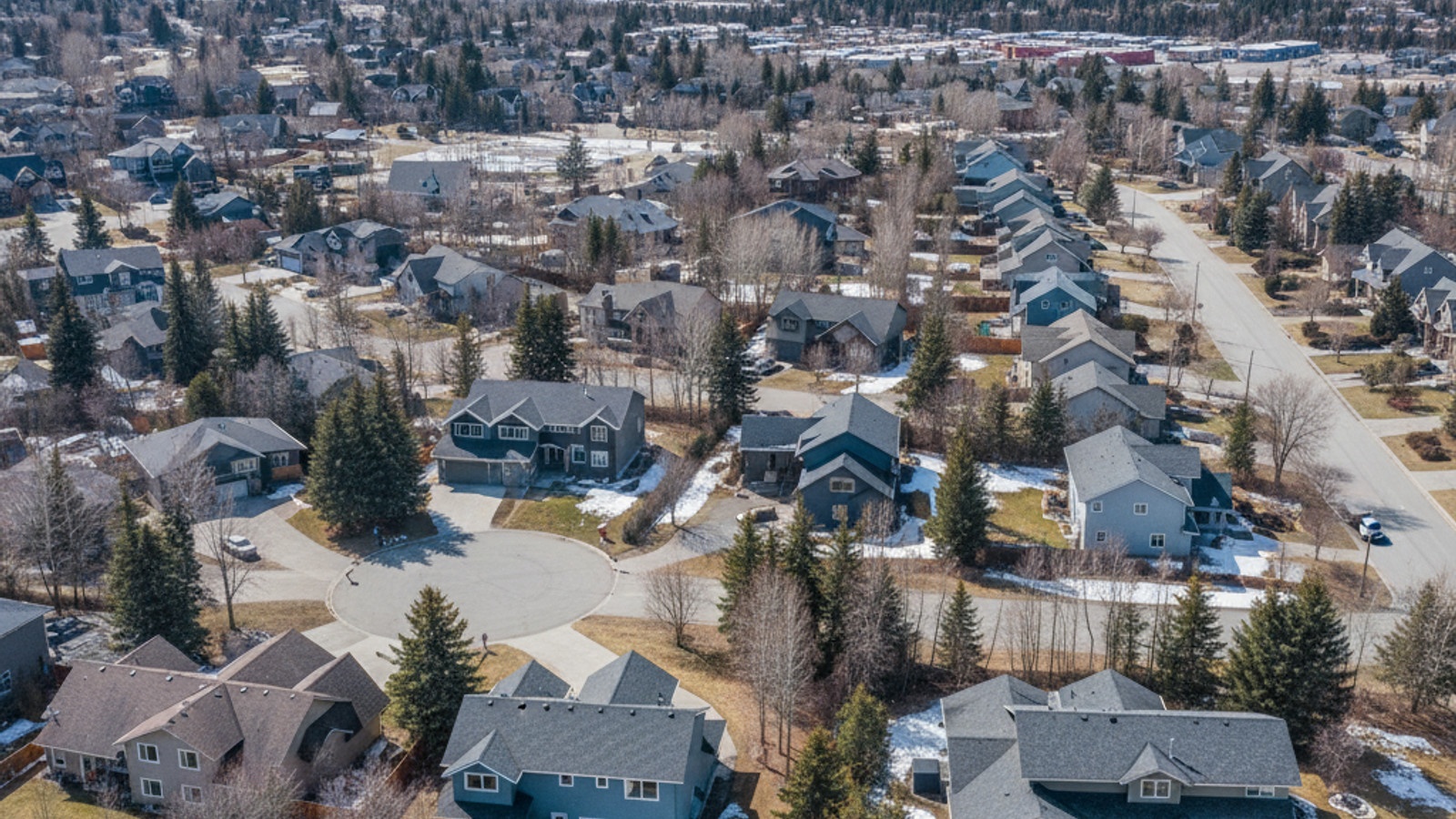
Relocating to the Last Frontier requires more than just packing boxes and hiring a moving truck. Buyers moving to Anchorage, AK face a unique set of logistical and environmental factors that simply do not exist in the Lower 48. Understanding how to navigate these local realities is critical for anyone looking to purchase property here in 2026.
The Anchorage housing market operates on its own distinct rhythm, heavily influenced by weather patterns, shipping routes, and the surrounding wilderness. From assessing a property's winter readiness to calculating the true cost of utility bills, buyers must look beyond standard square footage and curb appeal. A successful relocation hinges on knowing exactly what it takes to maintain a home and manage daily life in this specific environment.
The Objective Realities of Moving to Anchorage
Environmental shifts in Alaska dictate how homes are built, maintained, and lived in throughout the year. Summer brings an abundance of light, with daylight extending past 19 hours at its peak. This makes high-quality blackout curtains an absolute necessity for regulating sleep schedules in any home you purchase.
Conversely, the dark winters require homes to be equipped with proper interior lighting and robust insulation to handle the cold. Winter temperatures routinely drop below 10 degrees Fahrenheit, making effective weatherstripping and heavy-duty pipe insulation critical property features. Buyers should always ask for recent utility statements to gauge how well a home retains its heat during the darkest months.
Heating systems take on a much heavier workload here than they do in most other states. Buyers should prioritize homes with updated, high-efficiency heating systems to mitigate high winter utility usage. Relying on an aging furnace in Anchorage is a massive financial liability that can quickly drain a household budget.
Anchorage Cost of Living Breakdown
Living in a frontier state means paying a premium for everyday logistics, largely due to the geographic distance from the contiguous United States. Groceries in Anchorage run approximately 26 percent higher than the national average because most goods must be shipped up from the Lower 48. Buyers need to factor these elevated daily expenses into their monthly budget before committing to a mortgage payment.
Utility costs also reflect the demands of the climate, with total monthly bills averaging around $400 to $500 for a standard single-family home. Winter gas bills alone often run between $135 and $200 or more, depending on the property's square footage and insulation quality. Vehicle maintenance adds another layer of expense, as residents must invest in mandatory winter tires and engine block heaters to navigate the colder months.
Many out-of-state buyers have heard about the Alaska Permanent Fund Dividend, which pays eligible residents a portion of the state's mineral revenues. The 2025 payout was $1,000 per eligible resident, and the program remains an active part of the local economy this year. While the dividend is a valuable state benefit, buyers should not rely on it to offset the consistently higher daily living expenses in Anchorage.
Analyzing the Anchorage Real Estate Market
The housing inventory in Anchorage offers distinct property types depending on which part of the municipality you target. Downtown and Midtown areas feature a higher concentration of condominiums and townhomes, providing quick access to commercial centers. Meanwhile, buyers seeking larger single-family homes on more expansive lots typically look toward South Anchorage or the neighboring community of Eagle River.
Current median home sale prices range from $410,000 to $425,000, reflecting a steady market as we move through the spring of 2026. Beyond the purchase price, buyers must carefully review the local property tax structure to understand their total carrying costs. The effective median property tax rate sits at 1.32 percent, resulting in annual tax bills that frequently exceed $4,500 for a median-priced home.
Buyers seeking more square footage should focus on Eagle River, though they must calculate the commute time down the Glenn Highway into their daily routine. Gaining extra space often means trading away the convenience of a short drive to the city center. Balancing property size with daily driving logistics is the most critical decision a buyer will make in this market.
Local Economy, Major Employers, and Commute
The Anchorage economy is anchored by a few massive institutional employers that drive local housing demand. Joint Base Elmendorf-Richardson and Providence Alaska Medical Center are top employers that bring a steady stream of relocating professionals into the area. The aviation sector also plays a massive role in the local workforce, with the international airport serving as a major global cargo hub.
Daily travel heavily depends on two primary arteries - the Glenn Highway connecting Eagle River and the Mat-Su region to Anchorage, and the Seward Highway running to the south. Traffic flow along these routes dictates the rhythm of the workweek for thousands of residents. Winter weather conditions frequently impact drive times, turning a standard 20-minute trip into an hour-long commute during heavy snowfall.
Proximity to the Glenn or Seward Highway drastically alters daily logistics, making test-driving a commute route mandatory before committing to a property. Buyers should practice their expected drive during peak traffic hours to get a realistic sense of the distance. A house that looks perfect on paper might lose its appeal if the winter commute proves too demanding.
Objective Community Features and Amenities
Anchorage integrates vast natural landscapes directly into its municipal footprint, offering immediate access to the Alaskan wilderness. The Tony Knowles Coastal Trail spans 11 miles along the shoreline, providing a paved route for cycling, walking, and cross-country skiing. Properties located near trail access points tend to see strong demand year-round.
On the eastern edge of the city, Chugach State Park covers nearly half a million acres of mountainous terrain. This sprawling park offers endless opportunities for hiking and outdoor recreation right in the municipality's backyard. Immediate access to the Coastal Trail and Chugach State Park commands a premium on property values, but delivers unmatched access to the great outdoors.
The municipal infrastructure also includes the Anchorage School District, which manages a massive network of educational facilities across the region. The district operates roughly 95 schools across the municipality, including elementary, middle, and high schools alongside specialized and charter programs. This extensive network ensures that residential neighborhoods across the city have local access to district facilities.
Frequently Asked Questions
Is it worth moving to Anchorage?
Moving to Anchorage is highly rewarding for buyers who prioritize immediate access to outdoor recreation and are prepared for the logistical realities of frontier living. The higher cost of living is offset by unique economic drivers like the aviation sector and proximity to the Chugach Mountains. Buyers must weigh the elevated grocery and utility costs against the unmatched natural amenities.
Do you get paid to live in Alaska?
Residents do not get a standard salary just for living in the state, but eligible residents can apply for the Alaska Permanent Fund Dividend. This annual payout distributes a portion of state mineral revenues, which totaled $1,000 per person in 2025. Strict residency requirements apply, meaning new arrivals must live in the state for a full calendar year before qualifying.
What is the weather like in Anchorage, AK?
Anchorage experiences distinct seasonal extremes, with winter temperatures frequently dropping below 10 degrees Fahrenheit. The city receives significant annual snowfall, requiring residents to actively manage property clearing and vehicle winterization. Summer brings milder temperatures and over 19 hours of daylight, offering a sharp contrast to the dark winter months.
What should I know before moving to Anchorage?
Relocating requires careful logistical planning, especially regarding shipping vehicles and household goods from the Lower 48. Buyers should budget for higher utility costs, which average $400 to $500 monthly, and prioritize homes with updated heating systems. Establishing local residency quickly is also essential for eventual eligibility in state programs like the dividend.