
Published June 18, 2026
Anchorage vs Big Lake, AK: Navigating the 2026 Real Estate Market

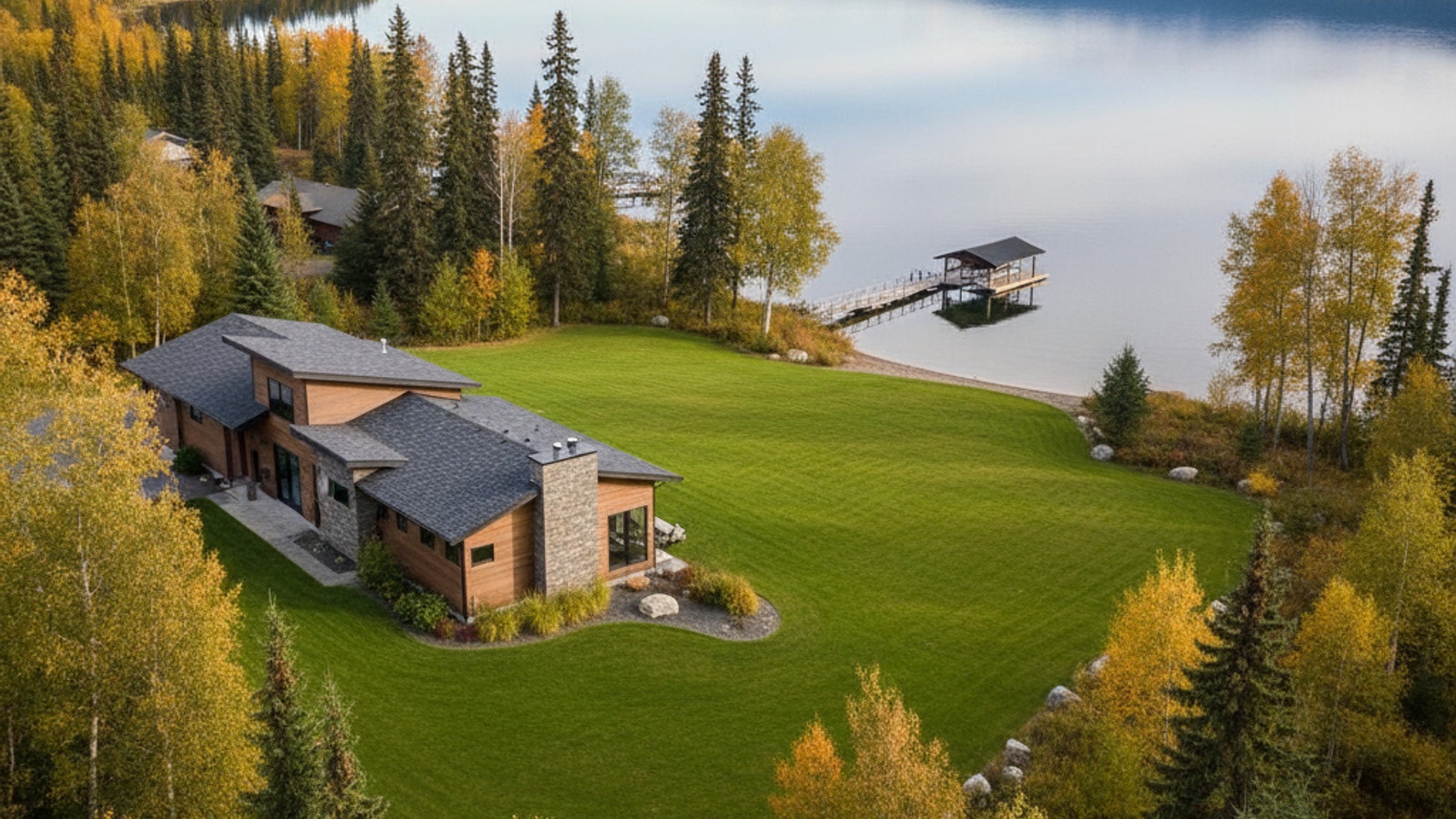
Choosing between the bustling urban center of Anchorage and the expansive, recreation-rich environment of Big Lake is a major decision for buyers in 2026. The choice ultimately comes down to balancing immediate access to employment hubs against the appeal of larger lots and lower property taxes.
Anchorage provides a highly competitive market with tight inventory, while Big Lake offers a more relaxed pace with distinct waterfront opportunities. Understanding the logistical and financial differences between these two areas is essential for making a sound real estate investment.
2026 Real Estate and Market Comparison
The current housing landscape highlights a distinct contrast in pricing and availability between the two regions. Anchorage maintains a highly competitive environment with an approximate median home price hovering around $410,000 and limited inventory sitting at roughly 1.1 months of supply. Homes in the city center often go under contract in under 15 days, requiring buyers to act decisively.
Big Lake presents a slightly more accessible entry point, with median prices ranging from roughly $385,000 to $399,000. Buyers here gain significantly more acreage for their investment compared to the dense lots found in the city. Anchorage is the clear winner for buyers prioritizing a short commute to major employment sectors, while Big Lake serves those willing to trade urban convenience for expansive land and lakefront access.
Property Types and Housing Inventory
The Municipality of Anchorage features a dense concentration of urban condos, townhomes, and established single-family properties. Land-locked constraints heavily limit new construction, meaning most available inventory consists of older homes that may require updates. Buyers looking for maintenance-free living or highly walkable neighborhoods will find the majority of their options within the city limits.
Big Lake shifts the focus entirely to rural real estate and expansive parcels. The area features 67 miles of shoreline, providing ample opportunities to purchase lakefront cabins, new construction homes, or vacant land for custom builds. The Matanuska-Susitna Valley offers the space necessary for large garages, workshops, and recreational vehicle storage that city lots simply cannot accommodate.
Commute Times: Big Lake to Anchorage Route Overview
The daily drive between Big Lake and Anchorage is a significant factor that shapes the lifestyle of residents who work in the city. The standard commuting route requires taking the Parks Highway south to connect with the Glenn Highway. This journey covers roughly 60 miles each way and heavily dictates daily schedules.
During optimal summer conditions, the drive typically takes about one hour and ten minutes. Winter weather drastically alters this timeline, as heavy snowstorms and icy road conditions can easily stretch the commute to over two hours. Public transit options are minimal and time-consuming, making a reliable personal vehicle an absolute necessity.
The commute remains the most substantial trade-off for residents choosing the Matanuska-Susitna Valley. Buyers must carefully weigh the financial savings of a Big Lake property against the daily time commitment and vehicle wear associated with this highway route. Those who work remotely or have flexible schedules will find the distance far more manageable.
Cost of Living and 2026 Property Taxes
Property taxes play a massive role in the overall affordability of both locations. Anchorage historically carries a higher tax burden, with mill rates often ranging between 14 and 16 mills depending on the specific service area. This higher rate funds the extensive municipal services, road maintenance, and utility infrastructure required by a large urban population.
The Matanuska-Susitna Borough operates under a different financial structure, recently setting its fiscal year 2026 areawide mill rate at an appealing 8.485 mills. This lowered rate provides a distinct ongoing financial advantage for homeowners in Big Lake. The savings on an annual tax bill can amount to thousands of dollars when compared to a similarly priced property in Anchorage.
Big Lake provides a superior property tax advantage, but the true cost of living must account for transportation expenses. The daily 120-mile round trip introduces significant fuel costs, increased insurance premiums, and accelerated vehicle depreciation. These commuting expenses often close the overall cost gap, meaning the choice between the two locations should be based on lifestyle preferences rather than strict financial savings.
Local Amenities, Healthcare, and Schools
Anchorage stands as the commercial and medical hub of Alaska - offering amenities that rural areas simply cannot match. Residents have immediate access to high-level healthcare facilities, expansive retail centers, fine dining establishments, and prominent arts centers. The city provides a level of convenience that appeals to buyers seeking immediate proximity to specialized services and entertainment.
Big Lake replaces concrete infrastructure with exceptional outdoor recreation and wilderness access. The community features numerous marinas, boat rentals, and extensive networks of snowmachine trails and dog mushing paths. Residents enjoy immediate proximity to the Susitna River and the rugged terrain of Hatcher Pass, making it a premier destination for outdoor enthusiasts.
Anchorage School District vs. Mat-Su Borough School District
The Anchorage School District manages a vast footprint with a dense concentration of elementary, middle, and high schools. This density typically results in shorter travel times for students and a wide variety of specialized educational programs within the city limits. Recent 2026 budget discussions and state funding issues have led to proposals for increased education tax levies to maintain current class sizes and infrastructure.
Big Lake falls under the jurisdiction of the Mat-Su Borough School District, which services a massive geographic area. Facilities in the valley are fewer and more spread out, often requiring longer bus rides for students living in rural pockets. Both districts face similar state funding challenges this year, but the Mat-Su district continues to manage its resources across a rapidly expanding population base.
Frequently Asked Questions
How far is Big Lake, Alaska from Anchorage?
Big Lake is located approximately 60 miles north of Anchorage. The drive typically takes about one hour and ten minutes via the Parks Highway and Glenn Highway. Winter weather can frequently extend this travel time to over two hours.
What are the fishing opportunities in Anchorage and Big Lake?
Anchorage offers urban fishing access at spots like Ship Creek, where anglers can catch salmon right downtown. Big Lake provides a massive 67 miles of shoreline for year-round fishing, including excellent winter ice fishing for char and rainbow trout. Both locations require specific state licenses and adherence to local catch limits.
Which is nicer, Fairbanks or Anchorage?
The choice between Fairbanks and Anchorage depends entirely on your tolerance for extreme weather and desire for amenities. Anchorage offers a milder coastal climate and extensive urban infrastructure, while Fairbanks provides a traditional interior Alaska experience with extreme winter temperatures. Fairbanks is often preferred by those seeking spectacular northern lights viewing and a smaller community feel.
Can you swim in Big Lake, AK?
Yes, swimming is a popular summer activity in Big Lake when the water temperatures warm up in July and August. The area features several public access points and shallow coves where the water is comfortable for recreation. Many residents enjoy swimming right off their private docks along the extensive shoreline.