
Published June 18, 2026
Moving to Alaska: Understanding the Weather and Climate in Anchorage, AK in 2026

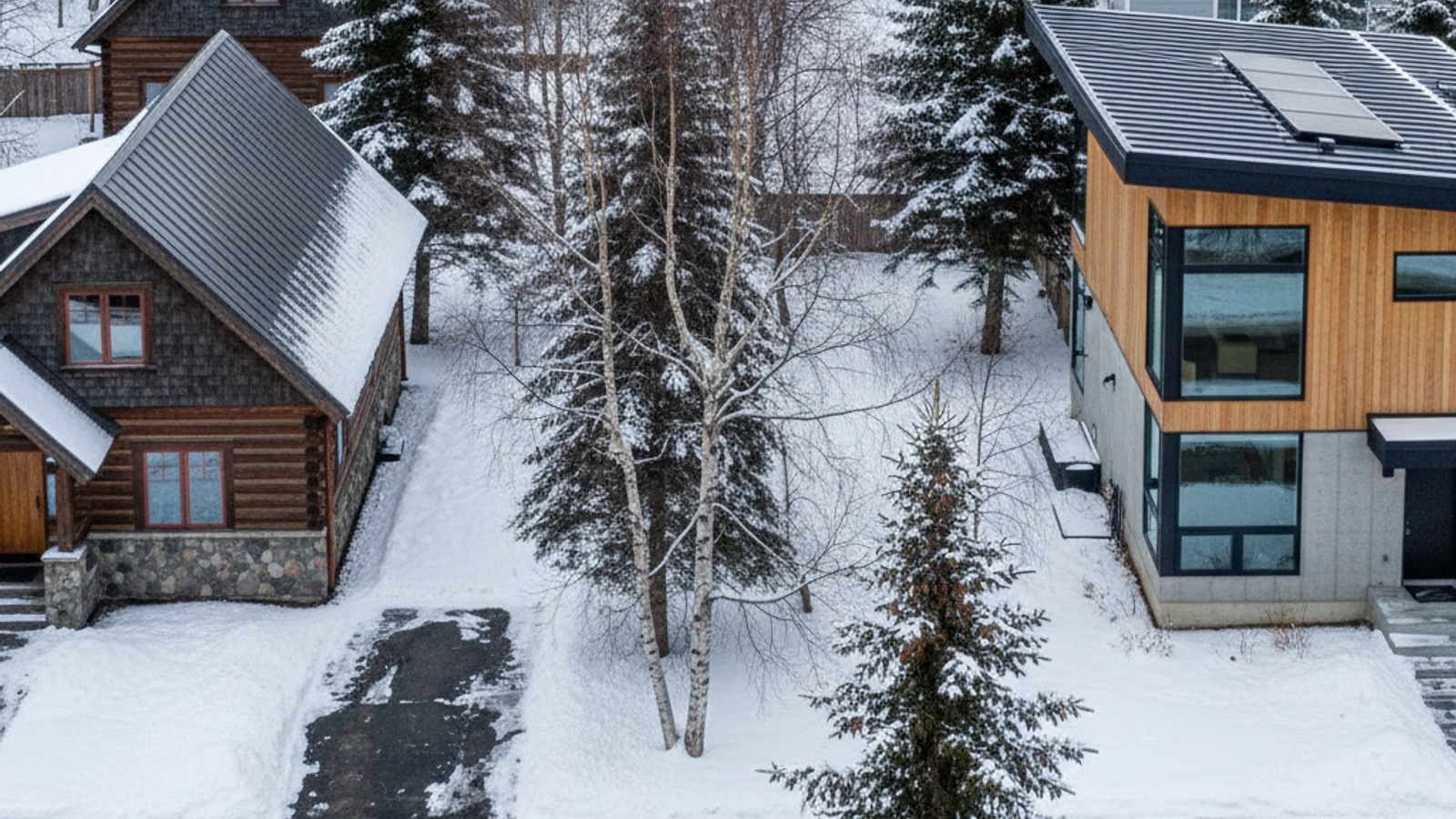
Relocating to Southcentral Alaska requires more than just finding the right floor plan or neighborhood. Buyers must fundamentally understand how the weather and climate in Anchorage AK impact property maintenance, daily commutes, and lifestyle choices.
The local environment shapes everything from architectural designs to municipal infrastructure throughout the year. Navigating the 2026 real estate market means evaluating homes based on their ability to handle significant snowfall, varying temperatures, and distinct seasonal shifts.
Preparing for these natural conditions ensures a smoother transition for anyone moving to the Anchorage area. A well-informed buyer can confidently assess property features that mitigate cold temperatures and maximize summer sunshine.
Understanding the local climate also helps new residents budget accurately for utility costs and seasonal maintenance. Knowing what to expect from the skies above makes adapting to the Alaskan lifestyle an exciting rather than overwhelming experience.
Overview of Anchorage Weather and Climate
Anchorage falls under a Subarctic climate classification, which brings four distinct seasons to the region. However, regional ocean currents keep the area surprisingly mild compared to the extreme, colder conditions found in the deep interior of Alaska.
According to the 1991 to 2020 climate normals from the National Weather Service, the city averages about 16.6 inches of annual precipitation. Winters typically deliver around 75 inches of light snow, while summer days offer cooler, comfortable high temperatures in the mid-60s.
The local forecast office closely monitors these weather conditions to provide accurate updates for residents. Winter highs generally hover in the low 20s, making the climate highly manageable for those prepared for sustained chilly periods.
By April, the 10-day weather forecast usually reflects a noticeable warming trend as the winter snowpack begins to melt. Data from the primary weather station indicates that monthly averages shift quickly during this brief spring transition.
Certain microclimates near the Chugach Mountains tend to be wetter and receive heavier snowfall than neighborhoods closer to the coast. Buyers should always ask their real estate agent how specific neighborhood elevations affect local weather patterns.
Understanding the difference between the coastal climate and the inland weather patterns helps buyers narrow down their property search. Homes located further up the hillside experience distinct weather conditions compared to properties situated at sea level.
Daylight Hours: From Midnight Sun to Winter Twilight
The northern latitude creates extreme variations in daylight hours throughout the calendar year. Around the summer solstice, residents experience the longest day with over 19 hours of visible sunlight, which maximizes evening outdoor activities.
Conversely, the winter solstice brings the shortest days, featuring roughly 5.5 hours of direct daylight. This period is characterized by extended phases of civil twilight, which provides a unique backdrop for northern lights viewing when the sky is clear.
The shifting amount of daylight directly influences local routines and energy consumption in residential homes. Buyers should prioritize properties with ample south-facing windows to capture natural sun during the darker, shorter winter months.
Artificial lighting design also becomes a crucial element of home staging and daily living. Well-placed exterior lighting ensures safe navigation around driveways and walkways when the sun dips below the horizon early in the afternoon.
The psychological impact of these daylight shifts is a major consideration for newcomers adjusting to the area. Creating a bright, welcoming interior space helps offset the external darkness and maintains a positive living environment year-round.
How the Local Climate Influences Anchorage Real Estate
The unpredictable nature of Anchorage weather dictates specific architectural and structural requirements for local housing. Properties must be engineered to withstand severe weather events, including heavy wind, rain, and prolonged freezing temperatures.
Energy efficiency remains a top priority for buyers evaluating homes in this market. Proper insulation and updated heating systems drastically reduce monthly utility bills while maintaining comfortable indoor environments during a cold winter.
When touring properties, buyers should look for specific climate-adapted features that add tangible value to the home. Understanding these structural requirements helps prevent unexpected maintenance costs down the road.
Many older homes in the area have been retrofitted to meet modern energy standards, but buyers must verify the quality of these upgrades. A comprehensive home inspection will reveal how well a property can handle the local climate conditions.
-
Heated garages and mudrooms: These transitional spaces are essential for managing wet winter gear, melting snow, and protecting vehicles from the lowest overnight temperatures.
-
High-efficiency heating systems: Homes typically rely on robust forced-air furnaces or high-efficiency boilers to maintain consistent warmth during the coldest months.
-
Advanced insulation and vapor barriers: Proper sealing prevents heat loss and stops condensation from forming inside the walls during extreme temperature fluctuations.
-
Engineered roof designs: Local building codes generally mandate roof snow load minimums of 40 pounds per square foot to safely support heavy winter accumulation.
Properties lacking these essential upgrades often require significant capital investment after closing. For example, retrofitting an older home with a modern high-efficiency boiler can easily exceed $15,000, which buyers must factor into their initial budget.
Additionally, proper grading around the foundation is critical to manage spring runoff when the snow begins to melt. Homes with poor drainage face a higher risk of water intrusion during wetter periods of the year.
Driveway orientation is another crucial factor that experienced local agents advise their clients to consider. A south-facing driveway receives more direct sunshine, which naturally accelerates snowmelt and significantly reduces the need for manual shoveling.
Winter Commuting and Snow Removal Infrastructure
Navigating the city during the winter requires an understanding of local road maintenance and seasonal driving conditions. Primary routes like the Seward Highway and Glenn Highway experience varying levels of ice, wind, and blowing snow.
The municipality operates a structured snow clearing program that prioritizes main arterial roads over residential streets. Official plow-outs are typically declared after four or more inches of accumulation, which dictates how quickly secondary neighborhood roads are serviced.
Commuters must properly winterize their vehicles, which includes installing studded or dedicated winter tires before the first major snowfall. Adequate traction is crucial when navigating icy intersections or steep driveways during the colder months.
The reduced hours of daylight also play a major role in morning and evening travel safety. Commuters frequently drive under a heavy cloud cover or in low-light twilight, making reliable vehicle lighting and cautious driving habits essential.
Homebuyers should test their potential commute during peak traffic hours to understand the realities of winter travel. Proximity to main arterial roads often translates to faster plow service and an easier morning drive.
Properties located on steep hillsides offer incredible views but demand vehicles with four-wheel drive and excellent winter handling. Buyers must weigh the aesthetic appeal of an elevated home against the practicalities of a snowy daily commute.
Public transportation options also adapt to the winter weather, providing an alternative for those who prefer not to drive. The local bus system maintains regular routes, though schedules may experience slight delays during severe winter storms.
Seasonal Outdoor Amenities and Local Recreation
Anchorage offers exceptional access to outdoor spaces that transform dramatically alongside the changing weather conditions. Residents utilize these public lands differently depending on the monthly forecast and current snowpack levels.
Chugach State Park encompasses approximately 495,000 acres of wilderness right on the edge of the city. This massive area provides premier summer hiking trails and spectacular vantage points for observing fall foliage transitions before the snow arrives.
Within the city limits, Kincaid Park demonstrates a perfect seasonal shift in recreational utility. The park serves as a hub for mountain biking during the summer and transitions into a network of groomed cross-country skiing trails in the winter.
The 11-mile Tony Knowles Coastal Trail remains a heavily utilized asset for year-round recreation, regardless of rain, wind, or cloudy skies. However, anyone engaging in backcountry recreation must maintain severe weather preparedness, as conditions can deteriorate rapidly.
Local property values often reflect proximity to these major trailheads and park entrances. Buyers frequently prioritize homes that offer immediate access to outdoor recreation, viewing it as a primary benefit of the Anchorage lifestyle.
Even during the coldest months, the community remains highly active and engaged with the natural environment. Embracing the local climate through outdoor recreation is the best way to fully appreciate living in Southcentral Alaska.
City parks departments work diligently to maintain infrastructure, ensuring that facilities remain accessible despite heavy snowfall. This ongoing municipal investment in outdoor spaces directly supports the high quality of life that draws new residents to the area.
Frequently Asked Questions About Anchorage Weather
What type of climate does Anchorage, Alaska have?
Anchorage features a Subarctic climate classification, characterized by cool summers and relatively mild winters. Regional ocean currents prevent the extreme, punishing cold temperatures often found deeper in the Alaskan interior.
What are winters like in Anchorage, AK?
Winters are generally snowy and cold, with average high temperatures resting in the low 20s. Residents experience shorter days and extended twilight, which requires adjusting daily routines and utilizing proper winter gear.
What are the average temperatures and precipitation in Anchorage?
Based on the 1991 to 2020 climate normals, the city receives roughly 16.6 inches of annual precipitation and 75 inches of snow. Summer temperatures frequently reach the mid-60s, while winter lows can drop into the single digits.