
Published June 18, 2026
Relocating in 2026: A Buyer's Guide to Getting Around Anchorage, AK

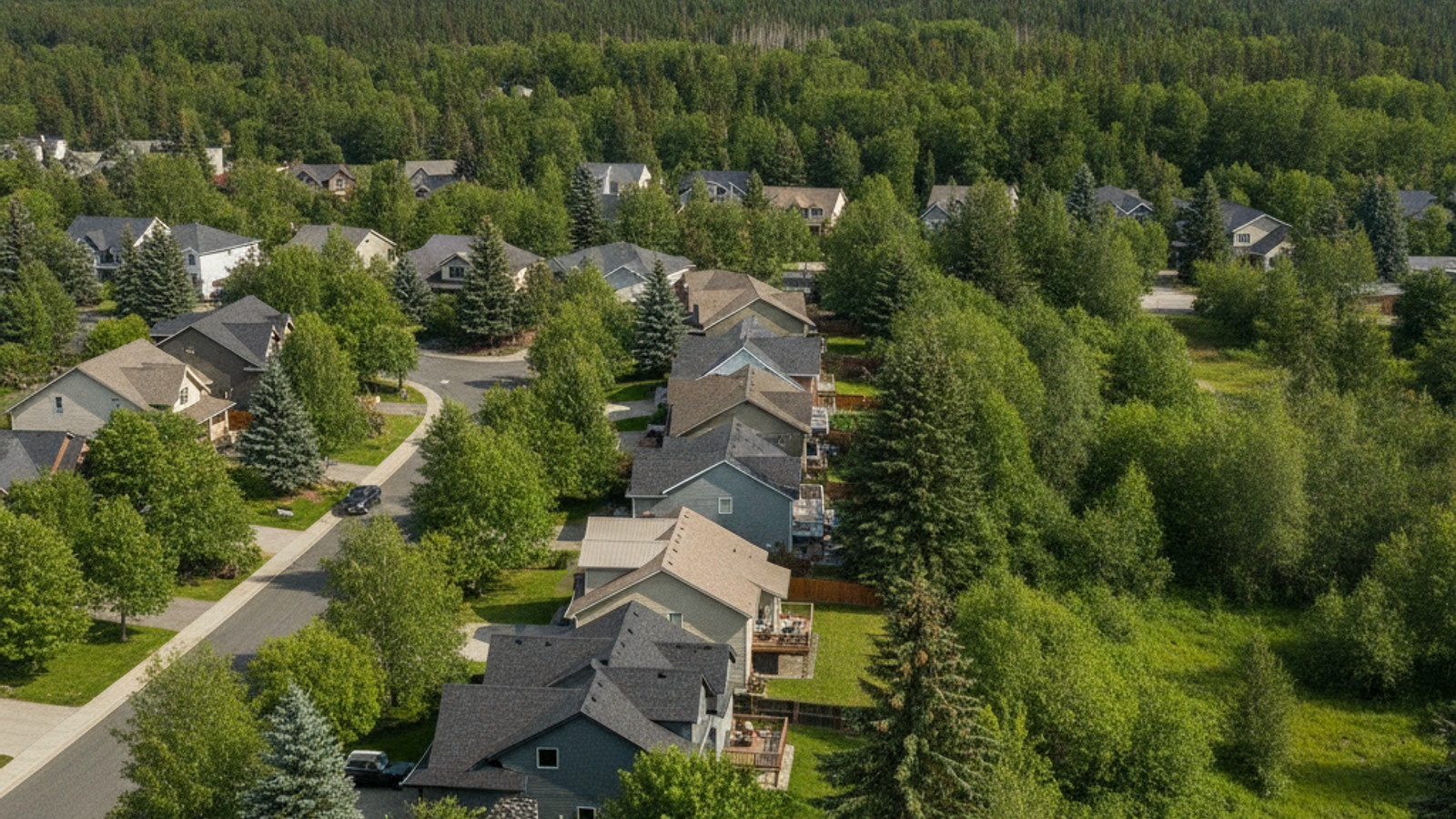
Evaluating a move to Alaska requires understanding the unique logistics of daily travel across a vast geographic footprint. The municipality covers over 1,700 square miles, meaning that your choice of neighborhood directly dictates your daily commute experience. Buyers need a clear picture of local transit realities before choosing a home.
Navigating this environment involves balancing highway access, seasonal weather realities, and the local trail infrastructure. Buyers must carefully weigh how close they need to be to major employment hubs or commercial districts before committing to a property.
Major Highways and Daily Commute Times
Anchorage relies heavily on two primary transportation corridors to connect its sprawling residential and commercial zones. The Glenn Highway serves the northern communities, while the Seward Highway moves traffic through the southern half of the municipality. These massive arteries dictate the flow of daily commuter traffic across the region.
Because the city is so spread out, owning a personal vehicle remains the most efficient way to travel between neighborhoods and major shopping centers. Relying solely on a rental car is a viable short-term solution for visitors, but permanent residents typically need a dedicated vehicle to manage daily logistics.
Driving from Eagle River and North Areas
Residents traveling from northern valley communities like Eagle River rely on the Glenn Highway for their daily transit. This vital north-south corridor connects Joint Base Elmendorf-Richardson and residential zones directly to downtown Anchorage.
Under typical summer conditions, the average commute from Eagle River to the downtown core takes approximately 15 to 30 minutes. However, rush hour traffic and severe winter weather can rapidly alter standard travel times along this single arterial route.
South Anchorage and Airport Access
Commuting from southern neighborhoods involves utilizing the Seward Highway and Minnesota Drive to navigate toward midtown. These expressways provide direct access to major employment hubs and commercial districts.
Drivers heading to Ted Stevens Anchorage International Airport or the adjacent Spenard commercial district can expect a baseline travel time of 15 to 25 minutes from South Anchorage. Proximity to these major thoroughfares adds significant convenience for frequent travelers or airport employees.
Public Transportation: Navigating the People Mover
The city's municipal bus system provides an essential alternative to personal vehicle ownership for many local residents. The People Mover bus network covers downtown Anchorage, major shopping centers, and prominent medical facilities across the Anchorage Bowl.
As of 2026, the standard adult fare is $2.00 per ride, with a full day pass available for $5.00. The Anchorage Assembly has also maintained demographic exemptions, allowing youth 18 and under to ride for free, while seniors aged 60 and older ride free on Wednesdays and Fridays.
Many residents supplement bus transit with ride-share options like Uber and Lyft for point-to-point connections. Traditional taxi services and dedicated shuttle service routes also fill the gaps for late-night travel or direct airport transfers.
While the Alaska Railroad operates out of the downtown depot, it functions primarily as a scenic and intercity passenger service rather than a daily commuter rail. Buyers should view public transportation as a supplementary option rather than a complete replacement for a personal vehicle.
Winter Driving Conditions and Snow Removal Rules
Understanding local road maintenance policies is crucial for anyone preparing to drive in Alaska from October through April. Major winter storms routinely drop anywhere from 4 to over 15 inches of snow, triggering extensive municipal plow-out protocols. Preparing for these conditions is a mandatory part of local homeownership.
Drivers must set realistic expectations for navigating on compacted snow and ice for several months out of the year. The municipal Street Maintenance Division utilizes a specific, tiered approach to clearing public roadways after every significant weather event.
Municipal Snow Removal Routes
The city prioritizes road clearing based on traffic volume and critical infrastructure access. The Alaska Department of Transportation handles state-managed roads, including the Seward and Glenn Highways.
For municipal roads, the city follows a strict hierarchy to manage resources during and after active storms. A full neighborhood plow-out can take 84 to 120 hours depending on the total snow depth.
-
Priority 1 routes, including major arterials, hospitals, and bus routes, are cleared continuously during active snowfall.
-
Priority 2 routes cover collector streets and roads near schools.
-
Priority 3 involves an A/B sector schedule used to clear residential neighborhood streets once accumulation exceeds four inches.
Vehicle Requirements and Resident Obligations
Property owners face strict municipal requirements regarding snow clearing around their homes. Under AMC 24.60.030, residents must clear public sidewalks adjacent to their property within 24 hours of a snowfall.
The municipality strictly prohibits pushing private driveway snow into public streets or cul-de-sacs, and violations can result in substantial fines. This rule ensures that neighborhood roads remain passable for emergency vehicles and daily traffic.
Equipping vehicles with dedicated winter tires is a practical necessity for safe winter travel. The strong local market preference for four-wheel drive vehicles directly reflects the realities of navigating unplowed residential streets during heavy storm cycles.
Multi-Use Trails and Alternative Transportation
Anchorage boasts an extensive trail network that supports both non-motorized commuting and year-round recreation. These paved pathways provide crucial connectivity between residential neighborhoods, parks, and commercial centers without the need to navigate highway traffic.
The system undergoes a complete seasonal transition, shifting from summer biking and walking paths to groomed winter cross-country skiing routes. Buyers who prioritize outdoor access often seek properties positioned near these major trailheads.
-
The Tony Knowles Coastal Trail spans 11 miles, serving as a primary paved artery connecting downtown to the western neighborhoods before terminating at Kincaid Park.
-
The Chester Creek Trail intersects residential areas and employment centers in midtown, offering an east-west corridor across the city.
-
The Campbell Creek Trail winds through southern neighborhoods, linking numerous parks and natural greenbelts.
Frequently Asked Questions
Is it easy to get around Anchorage without a car?
Navigating the city entirely without a vehicle is challenging due to the sprawling, 1,700-square-mile layout. While the People Mover bus system serves core commercial areas, most residents find a personal vehicle essential for efficient daily travel.
Are ride-sharing services like Uber and Lyft available in Anchorage?
Yes, both Uber and Lyft operate extensively throughout the municipality. They provide reliable point-to-point connections, particularly for trips to Ted Stevens Anchorage International Airport or late-night travel from downtown.
What are the best ways to prepare a vehicle for Anchorage winters?
Investing in a high-quality set of dedicated winter tires is the most critical preparation step. Additionally, utilizing a vehicle with four-wheel drive or all-wheel drive significantly improves traction on unplowed residential streets during the 84 to 120-hour municipal plow-out cycles.