
Categories
Anchorage AKPublished November 8, 2026
Utilities in Anchorage, AK: Providers, Monthly Costs and What to Check Before You Buy

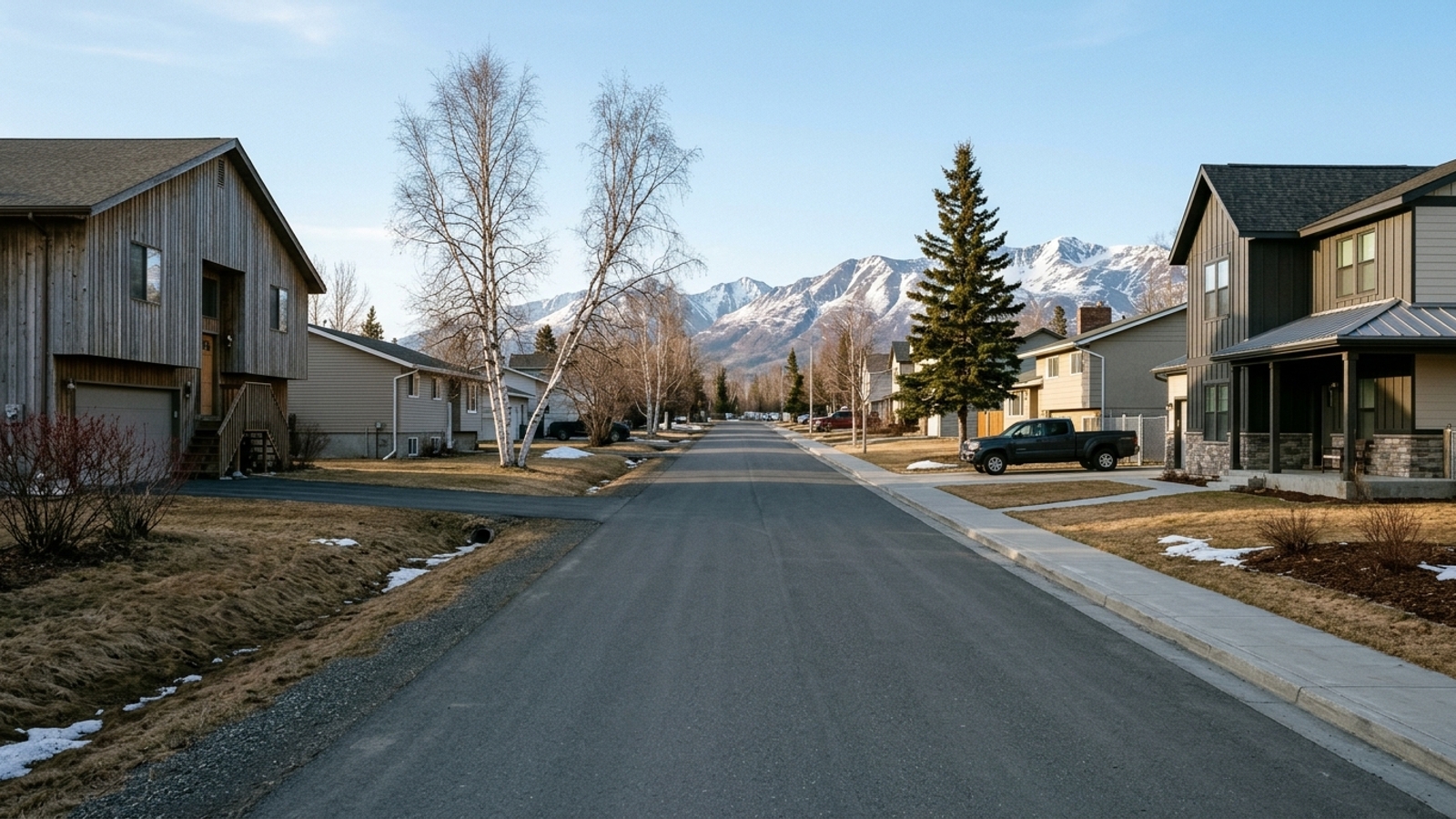
Anchorage utility costs are set more by the house than the neighborhood.
Key Takeaway
Most of the Anchorage Bowl gets electricity from Chugach Electric, heat from Enstar natural gas, and water and sewer from AWWU, with MEA supplying power in Eagle River and Chugiak. Your actual monthly cost depends on the house: gas or electric heat, city water or a well and septic, and what condo dues include. With single-family homes going under contract in a median 9 days, get the seller's last 12 months of bills before you offer, or start with a condo whose dues cover water, sewer, and trash if you want fewer bills to verify.
Who This Guide Is For
You're looking at a specific Anchorage home or condo and want to know who will bill you for power, heat, water, and trash, and roughly what those bills add to your monthly cost, before you make an offer.
What Decides Your Utility Bill in Anchorage?
A large house with a high-efficiency natural gas boiler often costs less to run than a smaller property relying on electric baseboard heat. Water and trash setups vary just as widely across the municipality. Anchorage's pace means you have to find this out early. With 41% of single-family homes recently selling above list price and going under contract in under two weeks, you need the seller's 12 months of bills and the provider list for the address before you write an offer. Finding out during the closing period that a property has unusually high heating costs leaves you almost no room to negotiate. Other everyday considerations are detailed in our breakdown of living in Anchorage.
Natural Gas Heat or Electric Heat
Heating is the biggest swing in an Anchorage utility budget. Anchorage weather brings a long heating season, so your heat source sets the largest part of your winter costs. A gas-heated home puts those costs on the Enstar bill, which is the most common setup. A home with electric baseboards moves them to the electric bill. That one fact changes a winter budget more than square footage.
Listing remarks and photos often don't show the heat source clearly. A home can mix a gas boiler with electric baseboards in a basement or addition. You only know by looking at the equipment and the winter bills.
AWWU Water or a Well and Septic
A home on municipal service gets a predictable water and sewer bill each month. A home on a private well and septic has no water bill but takes on testing, pump, and septic maintenance.
A low-yield well or failing septic system doesn't show up on any monthly bill. It shows up as a repair, which is why seller disclosures in Anchorage and an on-site inspection carry more weight than utility history.
What Condo Dues Already Cover
Many condo associations fold water, sewer, and trash, and sometimes heat, into monthly dues, leaving the owner with fewer direct bills to manage. To compare a condo with a house, add the dues and direct bills together. When comparing HOA fees in Anchorage, look at what each fee includes, not just the amount.
When dues include heat, a cold winter or a gas rate increase reaches you as a dues increase or special assessment voted by the board. You can't lower it by turning down your own thermostat.
Who Provides Utilities in Anchorage?
Utility boundaries in the Municipality of Anchorage don't follow neighborhood lines. Some homes use municipal services and others rely on cooperatives or private companies.
Electricity: Chugach Electric and MEA
Chugach Electric bought Municipal Light & Power in 2020 and now serves the Anchorage Bowl. Matanuska Electric Association (MEA) remains the separate electric utility serving Eagle River, Chugiak, and Peters Creek.
MEA has a different rate schedule, so an Eagle River house and a Midtown condo can't be budgeted from the same electric rate.
Natural Gas: Enstar
Enstar supplies the natural gas, produced in Cook Inlet, that heats most Anchorage homes. Enstar bills include a flat monthly customer charge plus a per-unit cost for the gas used.
Gas cost adjustments are passed through to customers, so last winter's Enstar bill is a floor, not a forecast.
Water and Sewer: AWWU
Anchorage Water & Wastewater Utility is the municipal provider for connected homes. It bills residential customers for water and wastewater service, and accounts must be transferred when a property changes hands. Ask the title company to confirm there's no unpaid AWWU balance on the property before closing, so a past owner's bill doesn't follow the address to you. Any utility proration is settled with your buyer closing costs in Anchorage.
Trash and Recycling: Solid Waste Services or Alaska Waste
Two Anchorage homes a few miles apart can have different trash haulers and different billing, depending on which collection area they fall in. The Municipality's Solid Waste Services covers a mandatory curbside collection area for the former City of Anchorage boundary. Outside that zone, including Eagle River and Girdwood, private hauler Alaska Waste provides residential service.
You may have to open a hauler account yourself, since it doesn't transfer automatically. Ask the hauler whether a bear-resistant cart is required at the address.
Internet and Phone
GCI and Alaska Communications are the two major wired residential internet providers in Anchorage. GCI provides cable broadband. Alaska Communications provides DSL, fixed wireless, and limited fiber service. Provider choice and top speeds can drop off on larger-lot streets, so check availability for the exact address before counting on it for remote work.
How Much Are Utilities per Month in Anchorage?
A January utility budget looks very different from a July one, mainly because of heating and lighting. Plan for those seasonal swings in your full cost of living in Anchorage rather than averaging them away. These examples use recent rate filings, but your own usage sets the final bill.
A Gas-Heated Single-Family House on AWWU
For electricity, Chugach Electric recently filed for a $14.50 monthly residential customer charge and an energy rate of about $0.16 per kWh. For natural gas, Enstar's residential rate schedule includes a $20.00 monthly customer charge plus per-unit base and gas cost adjustments. A typical winter month sees high gas usage for heat and moderate electricity use. Summer flips to minimal gas and lower electricity.
Inside the municipal collection area, Solid Waste Services charges $25.00 a month for single-family collection, or $31.97 for a 64-gallon cart under its 2022 rates, billed quarterly. These are model numbers. The seller's January and July bills for that specific house will be more accurate than any example, because insulation, boiler age, and household size change the gas number most.
A Condo with Water, Sewer and Trash in the Dues
When an HOA covers water, sewer, and trash, those costs move into your monthly dues. Your direct bills shrink to electricity, internet, and gas if the unit is individually metered.
A condo with electric baseboard heat can carry a winter electric bill that wipes out the savings from bundled water and trash. Ask for the unit's own winter electric bills, not just the dues amount.
A Hillside Home on a Well and Septic
Homes off the municipal grid replace the AWWU bill with what a well and septic cost: electricity to run the well pump, periodic septic pumping, and water testing. The monthly savings are real, but the costs arrive in irregular lumps, such as a pumping visit one year or a pressure tank repair the next. Budget them as an annual reserve rather than a monthly line item. Ask a local septic service for a current pumping quote and a lab for current well water testing prices.
City Water vs. Well and Septic in Anchorage
Buying a home off the municipal water grid means owning your own utility infrastructure. This is common on larger lots where extending city pipes isn't practical. Anchorage requires on-site septic and well systems to be checked when a property changes hands.
With 1.7 months of single-family supply recently available, sellers rarely need to offer repair credits, so schedule flow tests and lab checks fast. If a well produces low pressure, you want to know inside the inspection period, not after it.
Hillside
AWWU counts nearly 7,000 residential lots in southeast Anchorage, the upper Hillside, without municipal water and sewer. Most are larger lots that use on-site wells and septic systems. Well yield and water quality vary from lot to lot, so a neighbor's good well tells you nothing certain about this one. Only a flow test and lab results for this specific property count.
Eagle River and Chugiak
This area mixes AWWU-connected subdivisions with private wells and septic systems. Two homes on the same road can have different water setups, so confirm the water source for each listing rather than assuming it from the subdivision name.
What to Check on a Home with a Well and Septic
The Municipality of Anchorage Development Services Department issues a Certificate of On-Site Systems Approval (COSA) for properties served by a private well and/or septic system. The process requires water sampling for coliform, nitrate, and arsenic. A COSA for a private well is valid for 90 days from the date of issue.
A certification shows the system met requirements on the day it was checked. It isn't a warranty, so ask for the pumping and service records as well.
How to Check Utilities on a Property Before You Make an Offer
Because of Anchorage's short offer window, gather utility information while you're still touring the home, not during the appraisal or closing period.
Ask for 12 Months of Utility Bills
Request the electric, gas, water, and trash bills through your agent when you schedule a showing, or at the latest with the offer. Focus on December through February to see the peak heating load.
The bills reflect the previous occupants' household size, thermostat setting, and habits such as running a heated garage. Read them as a range for the house, not a promise for you.
Confirm Every Provider for the Address
Check the electric, gas, water, and trash providers against each one's service map or customer service line rather than relying on MLS data. Listing remarks can be years out of date, especially for trash and internet. A quick call to each provider is the only reliable answer.
Identify the Heat Source and Its Age
Find out whether heat comes from a gas boiler, a forced-air furnace, electric baseboards, or a mix. Ask for the install date and service records, and have the inspector note any heating oil tank remaining on the property.
An older boiler can produce low bills right up until it needs replacing. Get a replacement quote from a heating contractor if the inspector flags its age.
Read What the HOA Budget Covers
For condos and townhomes, ask the association for the current budget and a list of utilities included in dues. Dues that cover heat or water today can rise with the next budget, so ask when dues last increased and whether a special assessment is planned.
Schedule Service Transfers Before Closing
Contact each provider to start or transfer service for the closing date, so heat and power stay on through the handover. RMG Real Estate can request utility history and provider details as part of an offer to help you coordinate this.
Providers may require a deposit or a lead time to start service. A gap in gas service during an Anchorage winter can mean frozen pipes, so confirm start dates in writing.
Which Utility Setup Fits Your Search?
Three facts decide the fit:
- The heat source: see "Natural gas heat or electric heat".
- The water setup: see "City water vs. well and septic in Anchorage".
- Whether the seller will share 12 months of bills: see "How to check utilities on a property before you make an offer".
If you want the fewest separate utility bills and a lower purchase price, start with condos whose dues cover water, sewer, and trash. Anchorage condos had a median sale price of $299,969 recently, and bundled dues can leave you with mainly an electric bill. Run the baseboard-heat check from the condo example before you commit.
If you want no well or septic to maintain, look for single-family homes connected to AWWU water and sewer in the Anchorage Bowl. Confirm the connection on the seller's AWWU bills.
If you want a larger lot and you're prepared to manage your own water system, start with the Hillside. You trade the AWWU bill for testing and maintenance you schedule yourself.
If you want the clearest picture of winter heating costs, target gas-heated homes where the seller can share last winter's Enstar bills before you write an offer.
At a Glance
- All homes, median sale price: $449,786, up 0.3% year over year (Anchorage, 90 days ending 2026-09-30)
- Single-family median sale price: $494,803, up 3.1% year over year (90 days ending 2026-09-30)
- Condo median sale price: $299,969, up 5.3% year over year (90 days ending 2026-09-30)
- Median days on market: 9 for single-family, 10 for condos (90 days ending 2026-09-30)
- Share sold above list price: 41% of single-family, 31.9% of condos (90 days ending 2026-09-30)
- Median sale-to-list ratio: 100.3% single-family, 100.1% condos (90 days ending 2026-09-30)
- Months of supply: 1.7 single-family, 1.8 condos (90 days ending 2026-09-30)
- Median price per square foot: $266 single-family, $246 condos (90 days ending 2026-09-30); based on 737 single-family and 282 condo sales
Anchorage Utilities FAQs
Where Does Anchorage Drinking Water Come From?
AWWU draws approximately 92% of its total water production from the Eklutna Water Treatment Facility. The Ship Creek Water Treatment Facility and remaining groundwater wells augment supply and provide redundancy during peak demand.
Can You Look Up Average Utility Costs for an Anchorage Address?
Utility providers typically don't release usage history for an address to someone who isn't the account holder. Request the seller's bills through your agent instead.
How Much Is the Average Electric Bill in Anchorage?
No single average is reliable, because a home with electric baseboard heat carries a far larger winter electric bill than a gas-heated one. Ask the seller for their winter and summer bills.
What Runs Up an Electric Bill Most in an Anchorage Winter?
Heating accounts for the biggest portion of a typical utility bill. Engine block heaters draw 500 to 1,500 watts and use 30 to 150 kWh per month when run one to four hours a day. Look for electric baseboards and block heater plugs on a home tour.
How Can You Lower Your Electric Bill in an Anchorage Home?
Chugach Electric offers incentive programs to promote beneficial electrification, including a Heat Pump Pilot Program and Electric Vehicle incentives. It also lends usage meters to help members find heavy electrical loads. Matanuska Electric Association (MEA) offers net metering for member-owned or leased renewable systems of 25 kW or less on the member's property.
Do You Need a Deposit to Start Utilities in Anchorage?
Chugach Electric may require a deposit of $100 per residential meter, never more than two times the estimated average monthly bill. Enstar may also require a deposit from new natural gas customers.
Sources
- Redfin: Data Center
- Chugach Electric: ML&P Acquisition
- Enstar Natural Gas: Rates
- Municipality of Anchorage: Solid Waste Services
- AWWU: Hillside Water & Sewer
- Municipality of Anchorage: On-Site Systems
- Municipality of Anchorage: Hillside Well Water Study
- Chugach Electric: Energy Guide
- Chugach Electric: Beneficial Electrification
- Chugach Electric: Electric Service Requirements

Annie Bjerkestrand
CEO, Listing Specialist, REALTOR® | Annie Bjerkestrand | RMG Real Estate
or another way