
Published June 18, 2026
Anchorage vs Wasilla, AK: Comparing Southcentral Real Estate in 2026

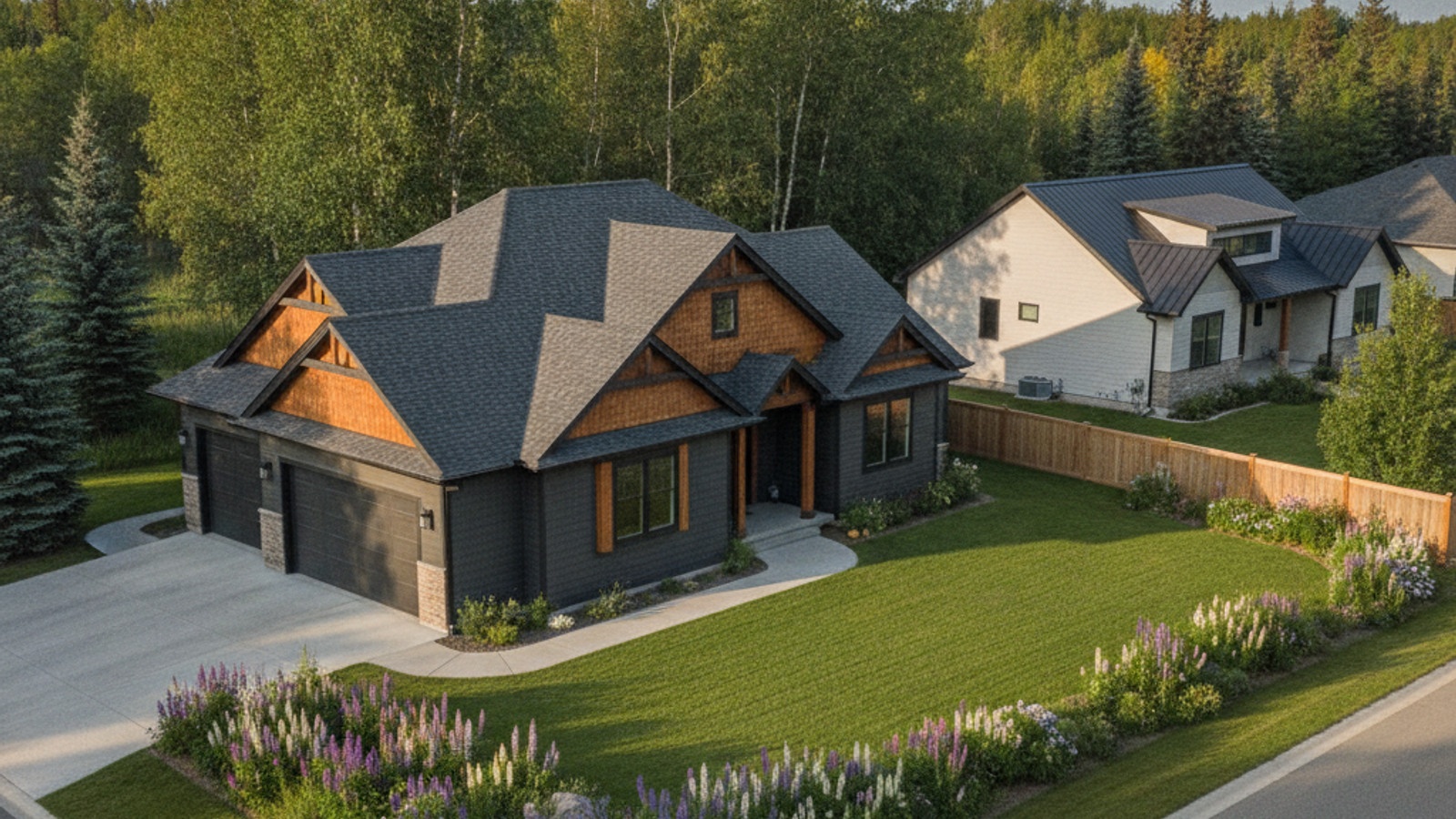
Deciding between Anchorage and the Mat-Su Valley is the most common crossroads for buyers relocating to Southcentral Alaska. The choice ultimately comes down to balancing daily convenience against the desire for larger property lines. In 2026, the contrast between these two distinct markets is sharper than ever.
Anchorage offers immediate access to major employment centers and established neighborhoods with mature trees. Just 45 miles north, Wasilla provides sprawling lots, newer construction, and a rapidly expanding commercial footprint. Understanding the financial and logistical differences is crucial for making a sound real estate investment.
Anchorage vs Wasilla Real Estate Market Trends
The spring 2026 housing inventory reveals a distinct difference in property types and pricing between the two municipalities. Anchorage features a higher density of established homes built between the 1970s and 1990s on relatively compact city lots. In contrast, the Mat-Su Valley is defined by a new home construction boom and acreage, giving buyers more physical space between neighbors.
Because of the high volume of newer builds on large parcels, Wasilla currently posts a slightly higher median sale price. The median home price in Wasilla sits between approximately $475,000 and $537,000 in early 2026. Meanwhile, Anchorage's older inventory keeps its median price slightly lower, hovering around $410,000 to $425,000.
These pricing dynamics force buyers to calculate the exact trade-off between square footage and central location. A half-million-dollar budget in Wasilla secures a modern build on an acre of land, while the same budget in Anchorage buys a remodeled older home with a short drive to downtown. Navigating this market requires a clear understanding of what property features matter most to your daily routine.
For buyers prioritizing land and modern property features, Wasilla offers the best long-term value in the current market. Anchorage remains the undisputed choice for urban convenience and preserving a short commute to major commercial centers. Analyzing your personal tolerance for driving will ultimately dictate which market serves you best.
Commute Time Wasilla to Anchorage, AK Glenn Highway
Transportation logistics dictate the daily reality for thousands of Alaskan residents who live in the valley but work in the city. Under ideal conditions, the off-peak drive time from central Wasilla to downtown Anchorage takes roughly 45 to 58 minutes. This 45-mile stretch of the Glenn Highway serves as the primary artery connecting the two regions.
Commuters must prepare for significant delays during peak rush hour traffic and severe winter weather. When a heavy snowstorm hits or traffic stalls near Eagle River, commute times can easily exceed 90 minutes in each direction. Navigating these unpredictable delays is an unavoidable aspect of living in Wasilla while maintaining employment in the city.
The financial implications of this daily drive extend far beyond the initial purchase price of a home. Buyers need to factor in gas, increased vehicle wear, and overall transportation expenses when calculating their monthly budget. A longer commute directly impacts the overall cost of living, sometimes offsetting the savings found in valley real estate.
Buyers must critically evaluate whether spending two to three hours a day in a vehicle aligns with their long-term goals. Heavily weighing the daily commute time against the desire for a larger property is the most critical step in this relocation process. Choosing the valley means accepting the highway as a permanent fixture in your daily schedule.
Mat-Su Borough vs Anchorage Property Taxes
The overall cost of homeownership involves more than just the mortgage payment, and property tax rates play a massive role in the Southcentral Alaska market. The Municipality of Anchorage and the Matanuska-Susitna Borough assess property taxes differently, creating a noticeable gap in annual holding costs. Anchorage residents typically see a total average mill rate around 14 to 15 mills.
The Mat-Su Borough offers a significantly lower tax burden for property owners. For the 2026 fiscal year, the areawide mill rate in the Mat-Su Borough is approximately 8.485 mills. This lower rate allows buyers in Wasilla to keep more of their monthly budget available for other expenses, such as child care or routine vehicle maintenance.
However, buyers must balance these tax savings against differing utility infrastructures. Homes in Wasilla frequently rely on private wells, septic systems, and varied heating fuel sources, which can alter the average cost of monthly utilities. Anchorage properties generally connect to municipal water and sewer lines, providing more predictable monthly utility bills.
Despite the variable utility costs, the Mat-Su Borough generally offers a stronger overall financial advantage based on lower property tax obligations. Buyers should request historical utility data for any valley property to accurately estimate their future living expenses. Understanding the full picture of taxes and utilities ensures there are no financial surprises after closing.
Evaluating Local School Districts
Educational infrastructure is a major consideration for buyers analyzing the long-term stability of a real estate market. The Anchorage School District operates on a massive scale, serving over 42,000 students across 94 schools. This large network provides a dense concentration of academic programs within a short distance of most residential neighborhoods.
The Matanuska-Susitna Borough School District manages a robust system tailored to a more spread-out population. This district serves over 19,400 students across 49 schools throughout the valley region. Both districts offer comprehensive academic options, including dedicated career and technical education programs.
The physical footprint of these schools acts as an anchor for surrounding residential developments. Proximity to specialized educational facilities often drives consistent demand for nearby housing in both municipalities. Buyers frequently target specific boundary lines to ensure access to preferred academic tracks.
The quality and scale of local educational facilities directly influence housing demand and resale potential. Strong public school systems create persistent buyer interest, regardless of broader economic shifts. The solid infrastructure of both districts positively impacts long-term neighborhood property values in their respective markets.
Lifestyle Amenities and Outdoor Recreation
The decision between city and valley living heavily dictates a buyer's immediate access to specific lifestyle amenities. Anchorage provides unmatched proximity to major shops and restaurants, advanced healthcare centers, and extensive paved trail systems. Residents enjoy immediate access to the Tony Knowles Coastal Trail and the massive expanse of Chugach State Park right in their backyard.
Living in Wasilla offers a different flavor of outdoor recreation centered around motorized trails and expansive water access. The valley provides quick routes to local lakes, the rugged terrain of Hatcher Pass, and cultural landmarks like the Iditarod Museum. Wasilla has also grown significantly in recent years to serve as the primary commercial hub for the entire Mat-Su Valley.
The 135-mile Glenn Highway corridor connects these outdoor recreation hubs, meaning residents of either city can easily visit the other on weekends. Anchorage maintains a higher concentration of indoor entertainment venues, while Palmer and Wasilla host major agricultural events. Buyers must decide whether they prefer stepping out their front door to a city sidewalk or a gravel trail.
Daily convenience varies drastically depending on your chosen home base. Anchorage is the clear winner for dense retail and immediate urban amenities, drastically reducing weekend driving times. Conversely, Wasilla excels for buyers seeking direct access to backcountry exploration and expansive lake activities.
Frequently Asked Questions
Is Wasilla considered part of Anchorage?
No, Wasilla is a completely separate municipality located approximately 45 miles north of Anchorage. While the Anchorage population is heavily concentrated within its own city limits, Wasilla operates under the Matanuska-Susitna Borough. The two cities are connected by the Glenn Highway but feature distinct local governments and tax structures.
Which city has a longer average commute, Anchorage or Wasilla?
Residents living in Wasilla and working in Anchorage face a significantly longer daily commute. The drive typically takes about 45 to 58 minutes each way under clear conditions. Anchorage residents working within their own city limits generally experience commute times under 20 minutes.
How do rental housing prices in Anchorage, Alaska impact the overall cost of living?
High demand for rental units in Anchorage often drives up the baseline housing expenses for new residents. The cost of rent directly influences the overall cost of living index, making the city more expensive than some outlying areas. Renters seeking lower monthly housing costs frequently look toward the valley to stretch their budgets.