
Published June 18, 2026
Anchorage vs South Anchorage, AK: Real Estate and Location Guide for 2026

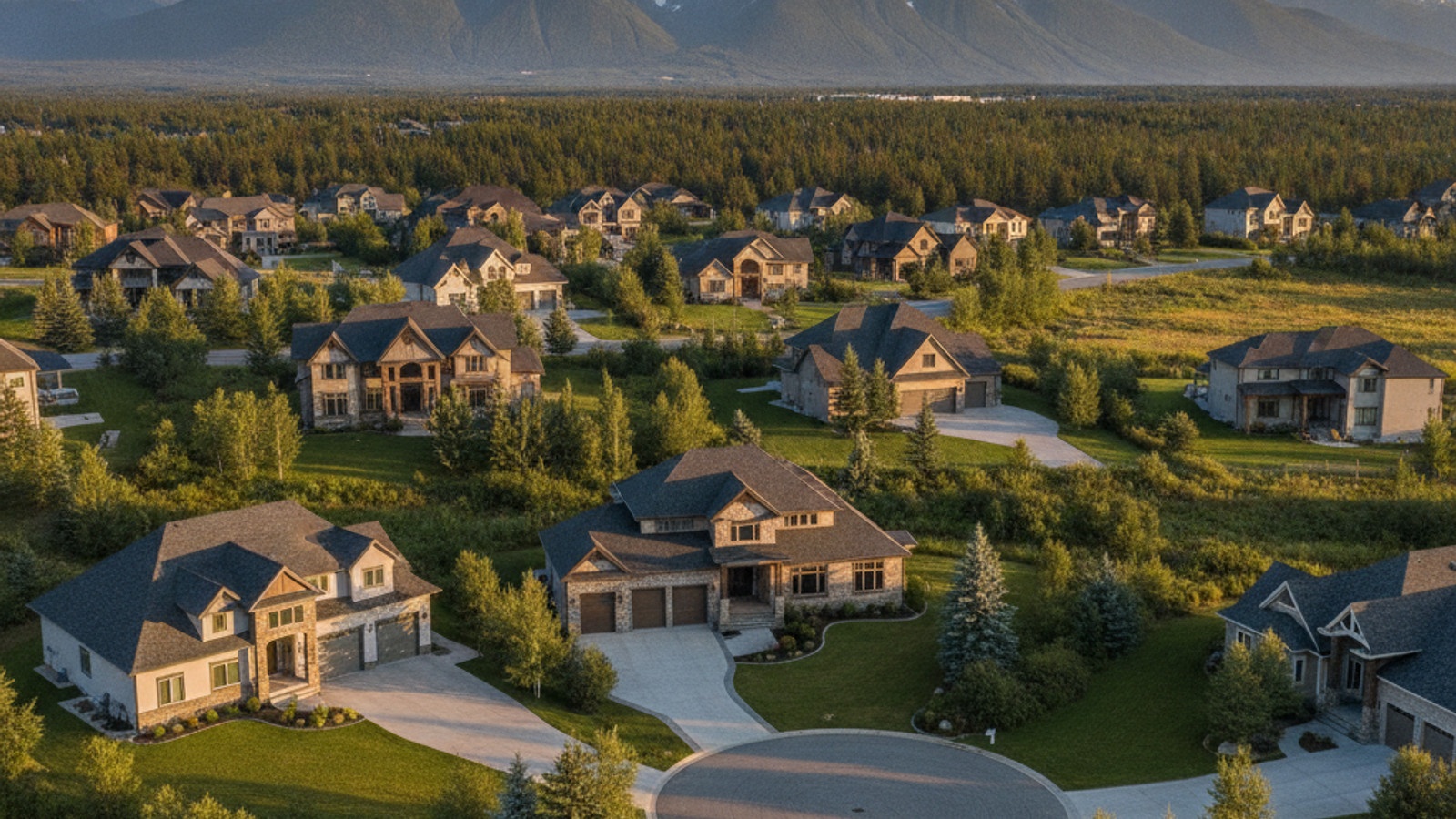
Anchorage sits in Southcentral Alaska, serving as the primary economic and cultural hub of the state. Buyers evaluating the local housing market often find themselves weighing the differences between the central city grid and the sprawling southern neighborhoods. The choice between Anchorage vs South Anchorage, AK comes down to a preference for urban accessibility versus expansive lot sizes.
The Anchorage municipality covers a massive geographic footprint, but residential development is largely concentrated in the coastal bowl. Central and western neighborhoods offer higher-density housing and immediate access to downtown commercial districts. Moving south toward the Hillside changes the landscape entirely, trading grid streets for winding roads and larger property setbacks.
Understanding these structural differences is crucial for making an informed real estate decision this year. Property values, commute routes, and daily amenities vary significantly depending on which side of the city you choose.
Anchorage vs South Anchorage: Geography and Density
The geographical boundaries of the main Anchorage bowl encompass the dense commercial and residential zones north of Dimond Boulevard. This central region features a traditional grid layout, maximizing land use and supporting higher urban housing density. Buyers looking in the city center will find properties built closer together, prioritizing proximity to major employment hubs.
South Anchorage presents a stark contrast with its expansive, low-density lots and sprawling subdivisions. Zoning regulations in these southern neighborhoods often require larger minimum lot sizes, particularly as development pushes toward the foothills. Natural geography plays a major role here, with the terrain dictating where and how homes are constructed.
The clear takeaway for buyers is that prioritizing land and space means looking south, while prioritizing walkability points toward the center. The structural differences between these regions define the daily experience of living in the municipality.
Proximity to the Chugach Mountains
The eastern edge of South Anchorage provides distinct topographical advantages as the coastal bowl slopes upward into the Hillside area. Elevation changes are dramatic here, offering properties expansive views of the city and the Cook Inlet. The Chugach State Park boundaries directly border many of these southern developments, integrating wilderness access into the residential landscape.
Specific trailhead access points are available directly from several southern subdivisions. Residents near Rabbit Creek or Upper Huffman have immediate access to the Flattop Mountain trail system without needing to drive across town. This immediate proximity to rugged terrain is a defining feature of the southern real estate market.
Real Estate Markets and Property Types
The architectural styles and median price points shift noticeably as you move away from the city center. Central Anchorage features a high concentration of mid-century builds, established townhomes, and multi-unit investment properties. These older neighborhoods offer established landscaping and mature trees, though the homes often require modernization to meet current aesthetic standards.
New construction single-family homes on large lots dominate the real estate landscape in South Anchorage. Builders in this region focus on maximizing square footage, often incorporating multi-car garages to accommodate winter gear and recreational vehicles. As of April 2026, the overall Anchorage median home price sits at approximately $410,000, setting a baseline for the broader market.
South Anchorage median prices generally range from $487,000 to over $600,000 depending on the specific subdivision and elevation. Buyers should expect to pay a premium for the increased acreage and newer construction found in the southern zones. The higher entry price in the south reflects the cost of land development and the constant demand for larger properties.
Condominiums vs Single-Family Lots
Central and West Anchorage support a high density of condominium and multi-family units. These properties offer a lower barrier to entry for buyers and often include exterior maintenance, which is a major advantage during harsh Alaskan winters. Urban condos typically come with structured HOA management that handles snow removal and landscaping.
Sprawling acreage defines the single-family lots in South Anchorage areas like Bear Valley. Zoning minimums here ensure properties remain spread out, offering privacy that is impossible to find in the central grid. Suburban subdivisions still utilize HOA fees, but these generally cover road maintenance and shared green spaces rather than exterior building upkeep.
Commuting to Downtown and Ted Stevens Airport
Travel times and infrastructure connectivity are major factors when evaluating property locations within the municipality. The driving distance from deep South Anchorage neighborhoods to downtown Anchorage is approximately 11 to 15 miles. Under clear summer conditions, this drive typically takes 20 to 25 minutes.
Winter weather and seasonal tourism heavily impact travel times on major thoroughfares. Snow accumulation and icy roads frequently slow the morning commute, requiring residents to budget extra travel time from November through April. Ted Stevens Anchorage International Airport is located on the western edge of the city, requiring southern residents to navigate across the bowl for flights.
The objective reality is that living in the southern suburbs requires a commitment to a daily highway commute. Buyers must weigh the benefit of a larger property against the time spent navigating traffic during the winter months.
Navigating the Seward Highway and Minnesota Drive
The Seward Highway operates as a controlled-access freeway from Rabbit Creek Road north to 36th Avenue, serving as the primary artery for the southern suburbs. Traffic flow on this route is heavy during morning and evening rush hours as residents travel to and from the downtown commercial core. Congestion often builds near major interchanges, particularly around Dimond Boulevard and Tudor Road.
Minnesota Drive serves as a critical alternative route connecting the southern and western sides of the city. This multi-lane expressway bypasses the central grid, offering a more direct path to the airport and West Anchorage. Access points and on-ramps serving key southern neighborhoods like Dimond and Huffman keep traffic moving, though winter conditions still dictate the overall pace.
Local Amenities, Parks, and Retail Hubs
Commercial density is heavily concentrated in midtown and downtown, but South Anchorage has developed its own robust retail infrastructure. Residents in the southern neighborhoods have access to concentrated shopping districts that provide daily necessities without the need to commute north. The Dimond Center serves as a major shopping hub, anchoring the commercial activity in the southern part of the municipality.
Large-scale recreational facilities are distributed throughout the southern and western regions, providing extensive outdoor access. The municipality prioritizes green spaces, ensuring that high-density commercial zones are balanced with preserved natural areas. Buyers focused on recreation will find that both central and southern locations offer distinct advantages depending on their preferred activities.
Having immediate access to both retail hubs and wilderness trails makes the southern suburbs highly functional. Residents can transition from a major commercial center to a secluded hiking trail in less than ten minutes.
Kincaid Park and the Tony Knowles Coastal Trail
Located in southwest Anchorage, Kincaid Park is accessible from both West and South Anchorage neighborhoods. This vast municipal park is a cornerstone of local recreation, featuring nearly 1,400 acres of forested terrain and coastal views.
The park supports a massive network of multi-use trails that accommodate year-round activities. Buyers evaluating the area should note the following features of this recreational hub:
-
The Tony Knowles Coastal Trail connects the southern coastal areas all the way back to downtown over an 11-mile paved route.
-
Extensive cross-country skiing trails are groomed throughout the winter months for classic and skate skiing.
-
Dedicated single-track cycling trails provide challenging terrain for mountain bikers during the summer.
Anchorage School District Boundaries
The Anchorage School District divides the municipality into distinct attendance zones that dictate public school enrollment. These boundary lines are based on geographic location and population density, ensuring facilities can accommodate the local student base. Buyers prioritizing specific educational facilities must carefully verify the zoned schools for any property they consider purchasing.
Central and eastern Anchorage are served by several large facilities, including West Anchorage High School and Bartlett High School. The district provides objective mapping tools on their website where residents can input a specific address to confirm its exact zoning. Boundary lines occasionally shift due to population changes, making it crucial to verify current 2026 data rather than relying on outdated maps.
Property values often reflect the stability of these attendance zones, and buyers frequently target specific neighborhoods to align with their preferred boundaries. Real estate agents can provide current zoning maps, but final verification should always come directly from the district.
South Anchorage High School and Zoned Facilities
The geographic catchment area for South Anchorage High School covers the majority of the southern suburbs and the Hillside region. This specific boundary line dictates property location choices for many buyers focused on securing a home within this zone. The zoning extends from the coastal bluffs in the west across the Seward Highway to the Chugach foothills.
Several primary middle schools feed directly into the southern high schools, including Goldenview Middle School and Mears Middle School. The physical location of a property determines its placement within these feeder patterns. Buyers targeting the South Anchorage zone must strictly limit their property searches to the neighborhoods located south of Dimond Boulevard and O'Malley Road.
Frequently Asked Questions
Is Anchorage considered south Alaska?
Anchorage is located in Southcentral Alaska, which is geographically distinct from the Southeast panhandle. This region serves as the state's primary population center and economic hub. The municipality sits at the head of the Cook Inlet, bordered by the Chugach Mountains to the east.
What are the commute realities between South Anchorage and downtown?
The drive from deep South Anchorage to downtown spans approximately 11 to 15 miles along the Seward Highway. Clear summer commutes typically take 20 minutes, while winter conditions frequently double that travel time. Heavy morning traffic is a daily reality for residents traveling north from the southern suburbs.
What types of housing and lots are common in South Anchorage?
The southern neighborhoods are dominated by new construction single-family homes situated on expansive lots. Zoning regulations in areas like Bear Valley require larger acreage minimums, creating a low-density suburban environment. Median home prices in these specific subdivisions currently range from $487,000 to over $600,000.